



Is Cabbage Good for Everyone? Benefits, Risks, and Who Should Take Caution
Cabbage (Brassica oleracea) is widely celebrated as one of the most affordable and nutrient-rich vegetables available. Packed with Vitamin C, Vitamin K, fiber, and potent anti-inflammatory antioxidants, it is a staple in healthy diets around the globe.
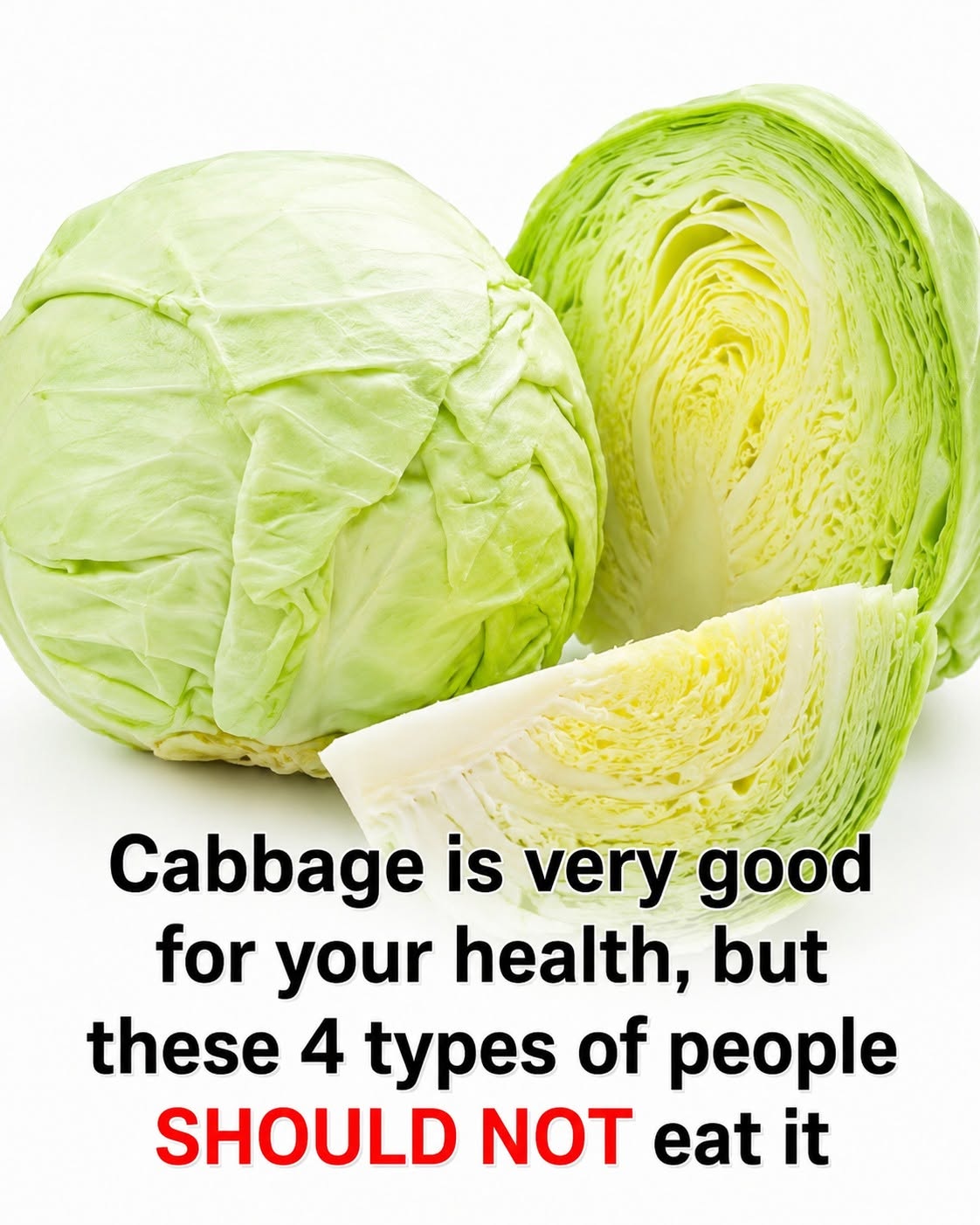
A viral nutrition graphic circulating on social media recently sparked widespread debate with a bold headline:
“Cabbage is very good for your health, but these 4 types of people SHOULD NOT eat it”
While cabbage is safe and healthy for the vast majority of people, certain medical conditions and medication regimens require individuals to adjust their intake or prepare cabbage in specific ways.
Below, we break down the health benefits of cabbage, examine the four main health scenarios where caution is recommended, and explain how proper cooking can make a big difference!
The Nutritional Power of Cabbage
When included as part of a balanced diet, cabbage delivers impressive health benefits:
-
Digestive Health: High soluble and insoluble fiber contents support regular digestion and feed beneficial gut bacteria.
-
Immune & Skin Support: A single serving of cabbage provides over half of your daily recommended Vitamin C intake.
-
Heart Health: Packed with anthocyanins (in red cabbage) and potassium, which help regulate blood pressure and promote arterial health.
4 Groups of People Who Should Use Caution with Cabbage
While total avoidance is rarely necessary, individuals in the following categories should be mindful of how much cabbage they consume and how it is prepared:
1. People taking Blood Thinners (e.g., Warfarin / Coumadin)
-
Why: Cabbage is exceptionally rich in Vitamin K, a crucial nutrient involved in blood clotting.
-
Guideline: Sudden large changes in Vitamin K intake can interfere with the effectiveness of blood-thinning medications. Patients taking blood thinners don’t need to avoid cabbage completely, but they should keep their daily Vitamin K intake consistent.
2. Individuals with Unmanaged Hypothyroidism
-
Why: Cruciferous vegetables contain natural compounds called goitrogens, which can potentially interfere with iodine uptake by the thyroid gland when consumed raw in very large quantities.
-
Guideline: Cooking cabbage significantly breaks down goitrogenic compounds, making it much safer and easier on thyroid function.
3. People with Severe IBS or Sensitive Digestion
-
Why: Cabbage contains raffinose (a complex carbohydrate/sugar) and complex fibers that produce gas during gut fermentation.
-
Guideline: For individuals with Irritable Bowel Syndrome (IBS) or severe bloating, eating large quantities of raw cabbage can cause stomach discomfort and gas. Opting for cooked or fermented cabbage (like sauerkraut or kimchi) often improves digestibility.
4. Individuals Recovering from Gastrointestinal Surgery
-
Why: High-fiber, gas-producing raw vegetables can place temporary strain on healing digestive tracts.
-
Guideline: Patients on low-residue or post-surgical recovery diets are generally advised to temporarily limit high-fiber raw cruciferous vegetables until their digestive system fully recovers.
Health Risk & Consideration Summary
| Target Group | Potential Concern | Recommended Action |
| Blood Thinner Users | High Vitamin K content | Keep portion sizes consistent day-to-day |
| Hypothyroidism | Raw goitrogens | Lightly cook or steam cabbage before eating |
| IBS / Sensitive Gut | Raffinose & complex fiber | Eat cooked/fermented portions in moderation |
| Post-GI Surgery | High dietary fiber | Temporarily avoid until cleared by a physician |
Raw vs. Cooked Cabbage: What’s the Difference?
-
Raw Cabbage: Retains maximum Vitamin C and enzymes, but contains higher levels of raw goitrogens and complex fibers that can cause gas in sensitive stomachs.
-
Cooked Cabbage: Steaming, boiling, or sautéing reduces goitrogens by up to 50% or more, softens insoluble fiber, and makes nutrients easier to digest without causing bloating.
Conclusion
Cabbage remains one of the healthiest, most economical superfoods you can add to your plate! Unless you have specific medical guidelines regarding Vitamin K or raw goitrogens, incorporating cooked or raw cabbage into your diet offers fantastic long-term health benefits.
Frequently Asked Questions (FAQ)
Does cooking cabbage destroy its nutritional value?
While prolonged boiling can reduce water-soluble Vitamin C, light steaming or sautéing preserves most antioxidants while making the vegetable significantly easier to digest!
Is fermented cabbage (sauerkraut/kimchi) better for digestion?
Yes! Fermentation breaks down sugars like raffinose and introduces beneficial probiotic bacteria that actively support gut health and ease digestion.