

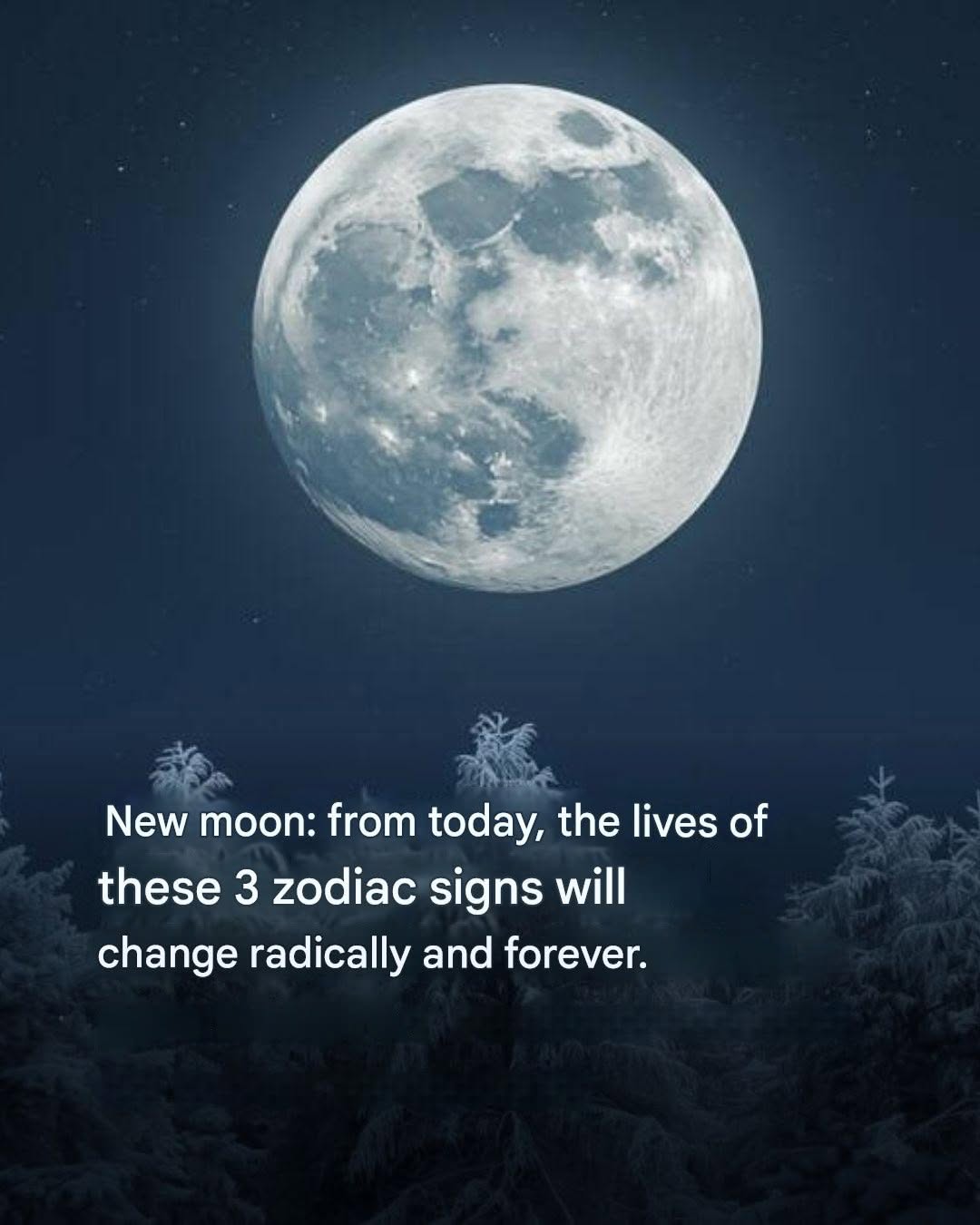


Astrology enthusiasts and casual stargazers alike often look to the night sky for inspiration, self-reflection, and a sense of timing. Among the various lunar phases, the New Moon holds a particularly special place in astrological traditions. Representing the beginning of a fresh 29.5-day lunar cycle, the New Moon is widely regarded as a symbolic time for setting intentions, initiating new projects, and embracing personal transformation.
While viral social media posts often claim that specific celestial events will “change your life forever,” understanding the actual symbolism of lunar cycles can help you channel this energy into meaningful personal growth, practical goal-setting, and mindful living.
Below, we explore the significance of the New Moon, look at how different zodiac modalities experience lunar energy, and share practical habits for navigating times of change.
What Does a New Moon Represent in Astrology?
In astronomical terms, a New Moon occurs when the Moon sits directly between the Earth and the Sun, placing its illuminated side away from our view. Because the night sky appears dark and reset, ancient cultures and modern astrologers alike view this phase as a metaphorical “clean slate.”
Key Themes of the New Moon:
-
Rest and Reflection: Before stepping into new beginnings, the dark moon invites quiet introspection and mental rest.
-
Intention Setting: Many people use this phase to write down goals, reflect on personal growth, and clarify priorities for the upcoming month.
-
Initiation: The waxing energy that follows the New Moon is traditionally associated with taking early steps toward new habits or endeavors.
The 3 Zodiac Sign Groups Experiencing Major Transitions
While social media memes highlight specific signs for maximum engagement, astrology groups the 12 zodiac signs into three distinct modalities—Cardinal, Fixed, and Mutable. Each group handles lunar shifts in unique ways:
1. Cardinal Signs (Aries, Cancer, Libra, Capricorn) – The Initiators
Cardinal signs are natural trailblazers. During powerful lunar phases, these signs often feel an extra push to start new ventures, make decisive career shifts, or establish clear personal boundaries.
2. Fixed Signs (Taurus, Leo, Scorpio, Aquarius) – The Builders
Fixed signs thrive on stability and steady progress. When a New Moon prompts change, these signs focus on deep, lasting transformations—such as restructuring personal finances, committing to long-term health goals, or strengthening key relationships.
3. Mutable Signs (Gemini, Virgo, Sagittarius, Pisces) – The Adapters
Mutable signs are flexible and intuitive. Lunar transitions encourage these signs to release old mindsets, explore new learning opportunities, and adapt gracefully to life’s changing circumstances.
Practical Mindset Shifts for Navigating Change
Whether or not you follow astrology closely, periods of transition are a natural part of life. Embracing change with a grounded mindset helps you stay focused and resilient:
-
Focus on Controllables: External circumstances and timing are often beyond our control, but our habits, reactions, and daily routines are entirely within our hands.
-
Set Realistic Intentions: Break large, overwhelming life goals into small, actionable daily steps.
-
Practice Mindful Reflection: Dedicate a few minutes each week to journaling, meditating, or reviewing your personal priorities.
Fascinating Facts About the Moon and Science
-
The Lunar Orbit: The Moon orbits Earth approximately every 27.3 days, but the full cycle from New Moon to New Moon takes about 29.5 days due to Earth’s orbit around the Sun.
-
Tidal Influence: The gravitational pull of the Moon is the primary force behind ocean tides on Earth, demonstrating its direct physical relationship with our planet.
-
Synchronous Rotation: We always see the same side of the Moon because its rotation rate matches its orbital period around Earth—a phenomenon known as tidal locking.
Conclusion
While no single night guarantees overnight transformation, the New Moon serves as a gentle monthly reminder to pause, reflect, and realign with your personal goals. By using lunar phases as a framework for intention-setting and mindful growth, you can approach life’s changes with clarity, purpose, and confidence.
Frequently Asked Questions (FAQ)
What is the best ritual for a New Moon?
Simple activities like journaling your monthly goals, meditating, or organizing your personal space are great ways to mark the beginning of a new lunar cycle.
How often does a New Moon occur?
A New Moon occurs approximately once every 29.5 days, marking the start of a new synodic lunar cycle.
Does a New Moon affect mood or sleep?
While some people report feeling more introspective or quiet during a New Moon, scientific studies show that sleep patterns are more noticeably influenced during the Full Moon phase when natural night light is highest.