
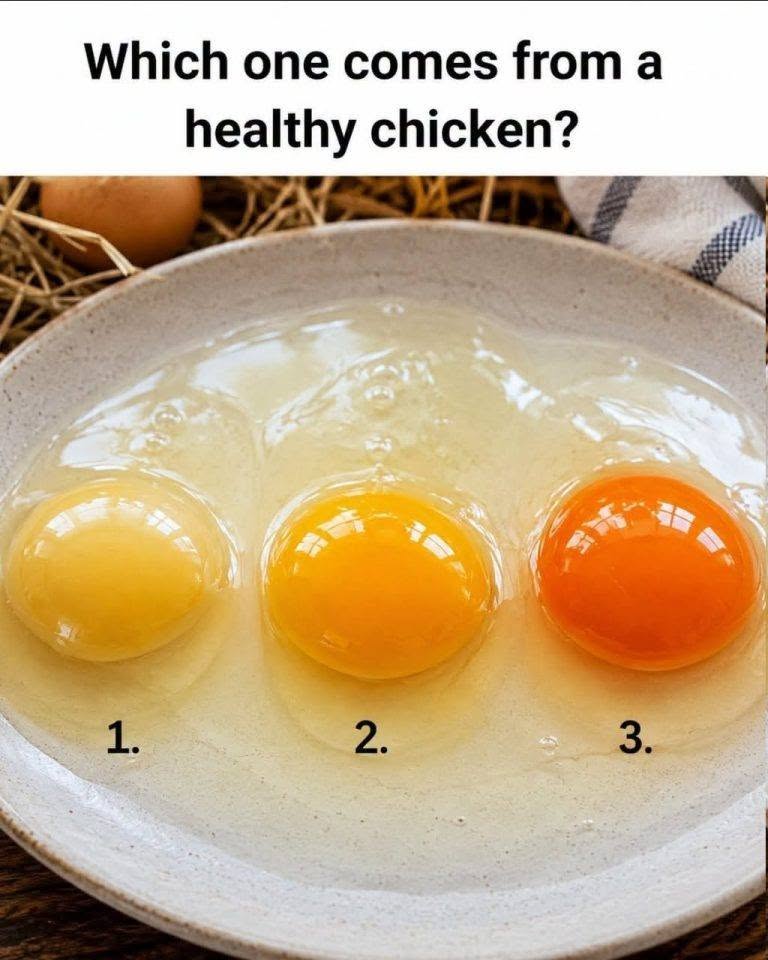


Images displaying egg yolks in varying shades—ranging from pale yellow to deep golden orange—frequently circulate across social media platforms, sparking debate over farm quality, animal welfare, and nutritional density. Viral internet claims often assert that a dark orange yolk is the ultimate marker of a healthy, pasture-raised hen, while a pale yolk indicates a sick or factory-farmed chicken.
In reality, poultry science and agricultural research reveal a much more nuanced story. Understanding what actually drives yolk coloration, how feed composition impacts egg nutrition, and what egg labels really mean empowers consumers to make informed, budget-conscious grocery decisions.
Decoding the Science: What Determines Yolk Color?
The primary factor determining the color of an egg yolk is diet, not the overall health or happiness of the hen.
| Yolk Shade | Primary Driver / Diet Source | Common Regions / Feed Types |
| 1. Light / Pale Yellow | Diets high in pale grains (wheat, barley, white corn) | European countries, wheat-heavy feeds |
| 2. Medium Golden Yellow | Diets balanced with yellow corn and alfalfa | Standard commercial feeds worldwide |
| 3. Deep Orange / Amber | Diets rich in xanthophylls, marigold petals, paprika, green pasture forage | Pasture-raised hens or feeds supplemented with natural carotenoids |
The Role of Carotenoids
Egg yolk pigmentation comes from fat-soluble antioxidants called carotenoids (specifically lutein and zeaxanthin) present in what the chicken eats.
-
If a healthy chicken eats a diet consisting primarily of white corn, wheat, or sorghum, she will lay an egg with a pale yellow yolk (like #1).
-
If that exact same healthy chicken eats yellow corn, fresh grass, bugs, or feed enhanced with marigold extract or red pepper powder, she will lay a deep orange yolk (like #3).
Evaluating the Three Eggs: Which Hen Is Healthy?
Answer: All three eggs can come from perfectly healthy chickens!
                  [Egg Yolk Color Analysis]
                              |
     +------------------------+------------------------+
     |                        |                        |
[Egg 1: Pale Yellow]     [Egg 2: Golden]         [Egg 3: Deep Orange]
 Wheat/Barley Feed        Standard Corn/Alfalfa   Pasture / Carotenoid Feed
 Healthy Chicken!         Healthy Chicken!        Healthy Chicken!
1. Egg #1 (Pale Yellow)
A pale yolk does not mean the hen was sick or undernourished. It simply reflects a grain diet lower in yellow and orange carotenoids. Hens fed wheat-based feeds in places like the UK or Australia often produce lighter yolks while remaining in peak physical health.
2. Egg #2 (Golden Yellow)
This classic shade is typical of hens fed standard yellow corn and alfalfa diets. It reflects a well-balanced, nutritious poultry feed designed for optimal flock health.
3. Egg #3 (Deep Orange)
While often associated with pasture-raised hens that forage on wild greens, seeds, and insects, feed manufacturers can also easily produce orange yolks by adding natural plant pigments (like marigold petals or red bell pepper extract) to indoor chicken feed. Therefore, an orange yolk alone is not definitive proof of outdoor free-ranging.
Nutritional Breakdown: Does Yolk Color Change Health Benefits?
While yolk color primarily reflects dietary pigments, a hen’s overall environment and lifestyle can slightly alter the micronutrient profile of her eggs:
-
Macronutrients (Protein & Fat): The amount of protein (roughly 6 grams per egg) and overall fat content remain nearly identical regardless of yolk shade.
-
Vitamin D & Omega-3s: Hens that spend time outdoors foraging in direct sunlight on pasture produce eggs higher in Vitamin D3 and Omega-3 fatty acids compared to standard caged hens.
-
Antioxidants: Deep orange yolks often contain higher levels of lutein and zeaxanthin—antioxidants that support eye health and reduce the risk of macular degeneration.
Consumer Smart Guide: Navigating Egg Labels at the Store
To ensure you are buying eggs that align with your ethical and nutritional preferences, rely on official certification labels rather than yolk color alone:
-
Pasture-Raised: Hens must have access to outdoor pasture space (typically 108 sq. ft. per bird), allowing for natural foraging that naturally darkens yolk color.
-
Free-Range: Birds have access to an outdoor area, though space requirements are less stringent than pasture-raised standards.
-
USDA Organic: Hens are fed 100% organic, non-GMO feed without antibiotics or synthetic pesticides, with mandatory outdoor access.
-
Cage-Free: Birds are not kept in battery cages, but they live indoors in open barns without required outdoor exposure.
Key Takeaways and Conclusion
Yolk color is a direct reflection of a chicken’s diet, not a reliable indicator of whether the bird is healthy or sick. Whether pale yellow, golden, or deep amber, all three eggs pictured offer high-quality protein, essential vitamins, and excellent nutrition. Understanding the science behind poultry feed helps consumers see past viral myths and make smart choices at the grocery store.
Frequently Asked Questions (FAQ)
Does a dark orange yolk mean the egg is more nutritious?
Not necessarily. While orange yolks often contain slightly more lutein and zeaxanthin, the core protein, fat, and total calorie content are virtually identical across all yolk shades.
Can farmers fake an orange yolk?
Farmers do not “fake” yolks, but they can intentionally darken yolk color by adding natural ingredients rich in carotenoids—such as marigold extract, alfalfa, or paprika—to the chicken feed.
Why are egg yolks in some countries paler than in others?
Yolk color depends on regional grain crops. Countries where chicken feed relies heavily on wheat or barley (like parts of Europe) produce lighter yolks, whereas countries using yellow corn produce deeper golden yolks.
How can I tell if an egg is fresh?
Place the whole, uncracked egg in a bowl of water. Fresh eggs sink flat to the bottom, while older eggs float due to the growth of the internal air pocket over time.