
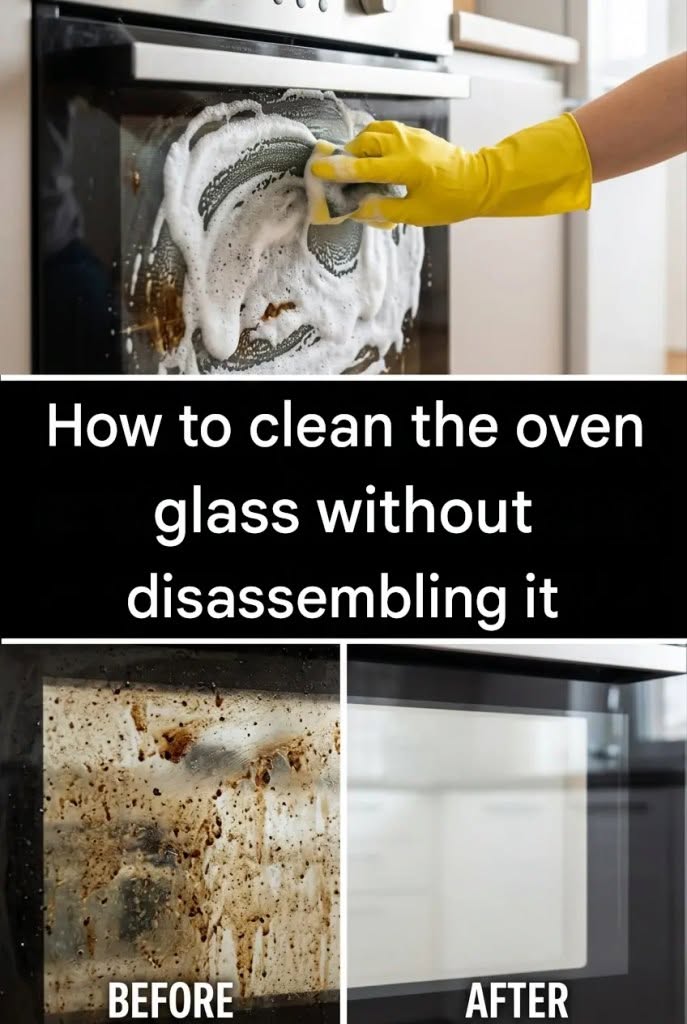


Few kitchen chores feel as intimidating or tedious as cleaning a greasy, baked-on oven door. Over months of roasting, baking, and broiling, oil splatters and carbon deposits build up on the interior glass, forming a dark, cloudy residue that seems almost impossible to wipe away. Many homeowners put off this necessary maintenance because they assume it requires unbolting the oven door, removing delicate glass panels, or taking apart complex metal frames—a risky project that can easily result in broken parts or voided home warranties.
Fortunately, you do not need to disassemble your appliance or hire an expensive handyman service to restore your oven glass to crystal-clear perfection. With the right household ingredients, a basic understanding of chemical breakdown, and a simple non-abrasive strategy, you can melt away burnt-on grease quickly and safely. Let us examine the best natural cleaning solutions, explore how to reach tricky gaps without dismantling anything, and look at practical habits to keep your kitchen appliances looking brand new.
Why Oven Glass Accumulates Burnt-On Residue
To clean oven glass effectively, it helps to understand why the grime is so stubborn in the first place. Every time high heat is applied during cooking, liquid fats and sugars vaporize and settle onto the glass surface.
The Science of Carbonization
Under extreme oven temperatures—often ranging from 350°F to 500°F—these organic oil particles undergo carbonization. Heat drives off hydrogen and oxygen molecules, leaving behind dense, baked-on carbon chains that bond tightly to the tempered glass. Standard dish soap and a soft sponge simply slide over these hardened bonds, requiring an alkaline agent to chemically break them down.
The Danger of Harsh Abrasives
Many people instinctively reach for steel wool, wire brushes, or razor blades to scrape off stubborn buildup. However, modern oven doors utilize specialized tempered thermal glass. Microscopic scratches caused by abrasive tools can weaken the structural integrity of the glass, making it vulnerable to shattering under thermal stress during future baking sessions. Using gentle, non-abrasive chemical reactions is always the safest path.
The Natural Baking Soda & Vinegar Method: Step-by-Step
You can achieve professional-grade results using simple, low-cost pantry staples that are completely non-toxic and safe for food prep environments.
+--------------------------------------------------------+
|          Mix Baking Soda & Warm Water into Paste       |
+---------------------------+----------------------------+
                            |
                            v
+--------------------------------------------------------+
|   Spread Thick Paste Over Glass & Let Sit (20 Min)     |
+---------------------------+----------------------------+
                            |
                            v
+--------------------------------------------------------+
|   Spray Distilled White Vinegar to Activate Foam       |
+---------------------------+----------------------------+
                            |
                            v
+--------------------------------------------------------+
|   Wipe Down with Damp Microfiber Cloth for Pure Clarity|
+--------------------------------------------------------+
Ingredients Needed:
-
1/2 cup of pure baking soda (sodium bicarbonate)
-
2–3 tablespoons of warm water
-
Distilled white vinegar in a spray bottle
-
Non-abrasive microfiber cloths or soft sponges
-
Rubber cleaning gloves
Step 1: Prepare the Cleaning Paste
In a small bowl, mix the baking soda with warm water until it forms a spreadable, thick paste (similar to the consistency of toothpaste). Baking soda acts as a mild, non-scratch abrasive and an alkaline cleaner that softens hardened fatty acids.
Step 2: Apply and Wait
Open the oven door fully so it rests horizontally. Spread the baking soda paste evenly across the glass surface, paying special attention to heavy carbon spots. Allow the mixture to sit undisturbed for at least 15 to 20 minutes (or up to several hours for severe buildup). This resting time gives the alkaline paste time to penetrate the carbonized layers.
Step 3: Vinegar Activation and Wipe Down
Spritz the dried paste lightly with distilled white vinegar. The acid in the vinegar will react with the baking soda, creating a gentle foaming action that lifts loosened grease away from the glass. Using a damp microfiber cloth, wipe the slurry away in smooth, circular motions. Finish with a clean, dry cloth to remove any remaining streaking.
How to Clean Between the Double Glass Layers Without Taking the Door Apart
One of the biggest frustrations for homeowners is noticing dust, streaks, or liquid runs trapped between the two panes of oven glass. Taking the door apart is risky, but there is a brilliant, tool-free workaround.
| Cleaning Tool / Method | How It Works | Appliance Safety Level |
| Wire Hanger + Microfiber Wand | Slide a bent wire hanger wrapped in a damp microfiber cloth up through the bottom ventilation slots. | High (Safe if cloth is secured with rubber bands). |
| Disassembling the Frame | Removing outer screws to separate inner and outer door panels physically. | Low (Risk of dropping glass, losing screws, or voiding warranty). |
| Abrasive Scrapers / Steel Wool | Scraping glass surface directly with metal tools. | Dangerous (Creates micro-fractures in tempered glass). |
Most modern oven doors have ventilation slots along the bottom frame. By attaching a damp microfiber cloth securely to a flexible tool—such as a straightened wire coat hanger or a specialized slim cleaning wand—you can slide it through the bottom vents to wipe down the inside surfaces of both glass panes without removing a single screw.
Home Maintenance as a Smart Property Investment
Maintaining clean, fully functional household appliances is about more than just keeping a tidy kitchen; it directly protects your financial asset base. Whether you own your home, manage rental properties, or plan to put your house on the market, keeping key appliances in peak operational condition supports long-term property valuation.
Well-maintained appliances reduce energy consumption and prevent premature mechanical failures, minimizing the need for costly repair service calls or early replacements. Taking time for simple, routine maintenance protects your personal balance sheet and keeps your household running efficiently without unnecessary expenses.
Practical Tips for Effortless Oven Care
-
Clean Up Spills Immediately: Once your oven cools down after baking, wipe away fresh drips immediately with a damp cloth. Preventing grease from baking onto the glass repeatedly saves hours of scrubbing later.
-
Use Baking Sheets on Lower Racks: Place a wide, rimmed baking sheet on the bottom rack beneath casseroles or pies to catch drips before they hit the floor or splash onto the glass door.
-
Avoid Overusing Harsh Chemical Sprays: Heavy commercial oven cleaners often emit strong chemical fumes that can degrade rubber door seals and ruin the aesthetic coating of stainless steel finishes over time. Stick to gentle natural alternatives whenever possible.
Interesting Facts About Ovens and Glass Engineering
-
The Power of Tempered Glass: Oven door panels are made from thermally tempered glass, which is processed through extreme heating and rapid cooling cycles to make it up to four times stronger than standard window glass.
-
Self-Cleaning Heat Levels: Self-cleaning oven cycles can reach temperatures over 800°F (426°C), burning away food residue by turning it directly into ash, though frequent use can place thermal stress on electronic control boards.
-
Thermal Efficiency: A clean oven glass door allows you to monitor your food without opening the door, preventing heat drops of up to 25°F to 50°F every time the door swings open.
Conclusion
Keeping your oven glass spotless does not require complicated disassembling, expensive professional equipment, or harsh chemical sprays. By leveraging simple natural ingredients like baking soda and white vinegar, you can safely remove stubborn burnt-on grease while protecting the structural integrity of your appliance’s tempered glass.
Adopting simple, periodic cleaning habits saves time, lowers energy costs, and keeps your kitchen looking bright and inviting. Give this effortless cleaning strategy a try today and enjoy the satisfying clarity of a crystal-clear oven door!
FAQ Section
Can baking soda scratch oven glass?
No. Baking soda has a very low abrasive rating on the Mohs hardness scale, making it soft enough to safely clean tempered glass without leaving behind scratches or micro-abrasions.
How do I get rid of white streaks left after cleaning with baking soda?
White streaks are simply leftover baking soda residue. Spritz the glass lightly with a 50/50 mix of water and white vinegar, then buff it dry with a fresh, clean microfiber towel to restore a streak-free shine.
How often should I clean my oven door glass?
For active home cooks, giving the interior glass a quick wipe every two to three weeks prevents deep carbonization. A deep clean with baking soda paste every three to six months will keep the glass looking brand new.