



Oregano Tea & Health Claims: Fact vs. Fiction
Viral health memes frequently spotlight traditional herbs like oregano, often pairing bold claims with engaging photos to spark interest across social media.
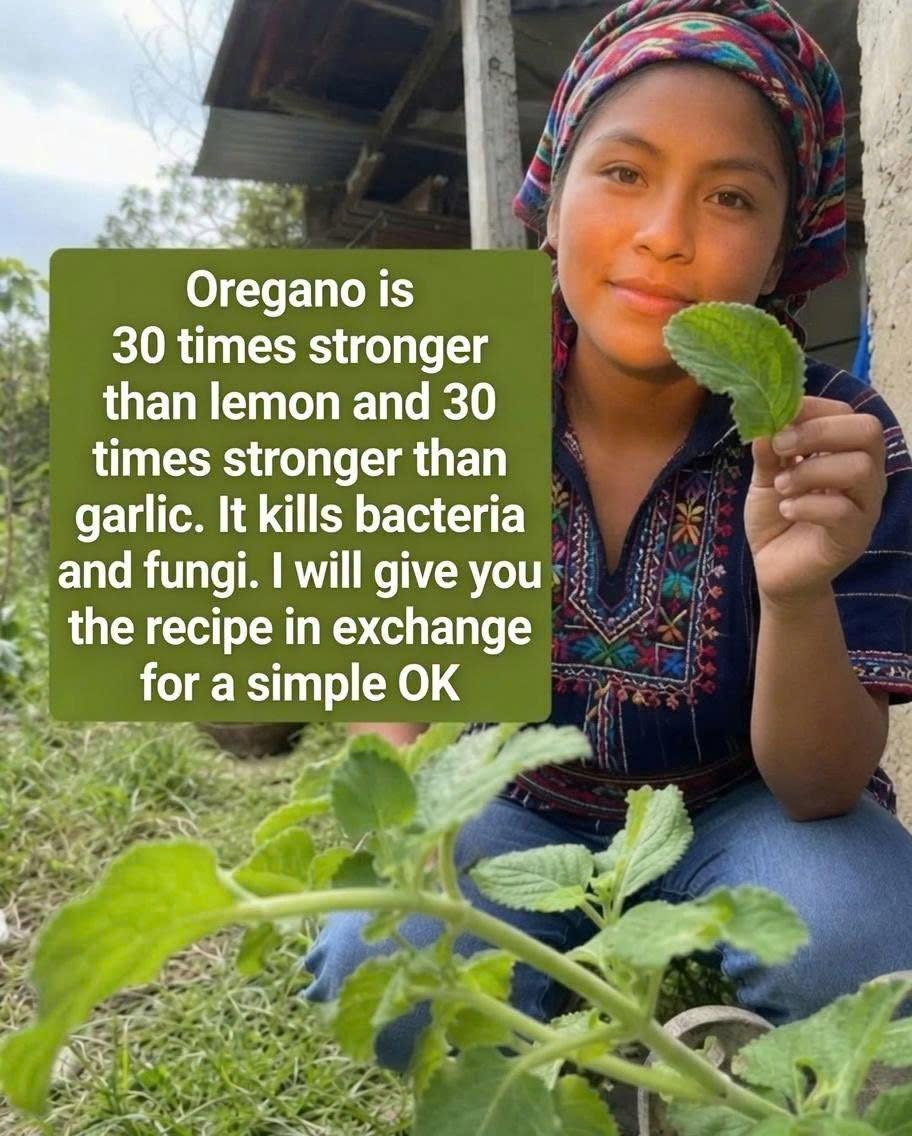
In this widely shared post, a young woman holding a fresh green leaf presents a compelling claim:
“Oregano is 30 times stronger than lemon and 30 times stronger than garlic. It kills bacteria and fungi. I will give you the recipe in exchange for a simple OK”
While oregano is undeniably a powerhouse culinary and medicinal herb rich in antioxidants, evaluating these claims with scientific context helps separate traditional wisdom from social media exaggeration.
Below, we separate fact from fiction regarding oregano’s health properties and provide a safe, traditional home recipe for oregano tea.
Fact-Checking the Viral Claims
Claim 1: “30 Times Stronger Than Lemon and Garlic”
-
The Reality: Comparing herbs in terms of “strength” can be misleading. While oregano (specifically oregano essential oil) boasts very high antioxidant activity (ORAC values) compared to many fruits like lemons, garlic contains unique sulfur compounds like allicin that operate completely differently in the body. They each offer distinct nutritional benefits rather than a direct multiplier of efficacy.
Claim 2: “It Kills Bacteria and Fungi”
-
The Reality: True in laboratory settings, but nuanced in human health. Oregano contains active aromatic compounds—primarily carvacrol and thymol. In test-tube (in vitro) studies, concentrated oregano oil has demonstrated strong antimicrobial and antifungal properties. However, drinking a cup of homemade oregano tea is not a replacement for medical treatment or prescribed antibiotics.
The Leaf in the Photo: Mexican Mint / Cuban Oregano
Interestingly, the plant pictured in the viral image is often identified as Cuban Oregano (Coleus amboinicus / Plectranthus amboinicus), also known as Mexican mint or Broadleaf thyme.
While botanically distinct from Mediterranean oregano (Origanum vulgare), Cuban oregano shares a similar pungent, aromatic aroma and is widely used in Caribbean, Latin American, and Asian folk remedies for respiratory support and digestion.
Simple Homemade Oregano Tea Recipe
If you want to enjoy the soothing benefits of herbal oregano tea at home, here is a simple, traditional preparation:
Ingredients:
-
1 tbsp fresh oregano leaves (or 1 tsp dried oregano)
-
1 cup boiled water
-
1 tsp raw honey (optional)
-
1 slice fresh lemon (optional)
Instructions:
-
Prepare Herbs: Wash fresh oregano leaves thoroughly under cold water.
-
Steep: Place the oregano leaves into a mug and pour hot, freshly boiled water directly over them.
-
Cover & Rest: Cover the mug with a small saucer and let it steep for 5 to 8 minutes to trap the beneficial volatile oils.
-
Strain & Enjoy: Strain out the leaves, stir in a touch of honey or lemon if desired, and sip warm.
Oregano & Essential Compounds Summary
| Compound | Primary Natural Source | Key Health Benefits |
| Carvacrol | Oregano oil, wild oregano | Powerful antioxidant & natural antimicrobial |
| Thymol | Oregano, thyme | Antiseptic qualities & digestive support |
| Allicin | Fresh crushed garlic | Immune support & cardiovascular health |
| Vitamin C / Citric Acid | Fresh lemons | Antioxidant defense & immune function |
Safety Considerations & Dosage
While culinary oregano and mild herbal teas are safe for most adults:
-
Concentrated Oils: Undiluted oregano essential oil is extremely potent and can irritate the mouth, stomach lining, or skin. Always dilute essential oils properly or consume them under professional guidance.
-
Pregnancy: Medicinal-level quantities of oregano should be avoided during pregnancy.
-
Medication Interactions: Consult a healthcare provider if taking blood thinners or diabetes medication.
Conclusion
Oregano is a wonderful, flavorful herb packed with beneficial antioxidants and natural compounds. While it may not literally be “30 times stronger” than garlic or lemons, incorporating fresh herbs into your diet or enjoying a warm cup of oregano tea remains a fantastic addition to a balanced lifestyle!
Frequently Asked Questions (FAQ)
Can oregano tea cure bacterial or fungal infections?
No. While laboratory studies show that concentrated oregano extract can inhibit bacterial growth, herbal tea should be used as a supportive wellness beverage, not a replacement for medical diagnosis or prescription medication.
What is the difference between Mediterranean oregano and Cuban oregano?
Mediterranean oregano (Origanum vulgare) belongs to the mint family (Lamiaceae) and features tiny green leaves commonly used in Italian cooking. Cuban oregano (Coleus amboinicus) has thick, succulent, fuzzy leaves and is common in tropical home gardens.