


What Are Sewing Thimbles? History, Uses, and Antique Identification Guide
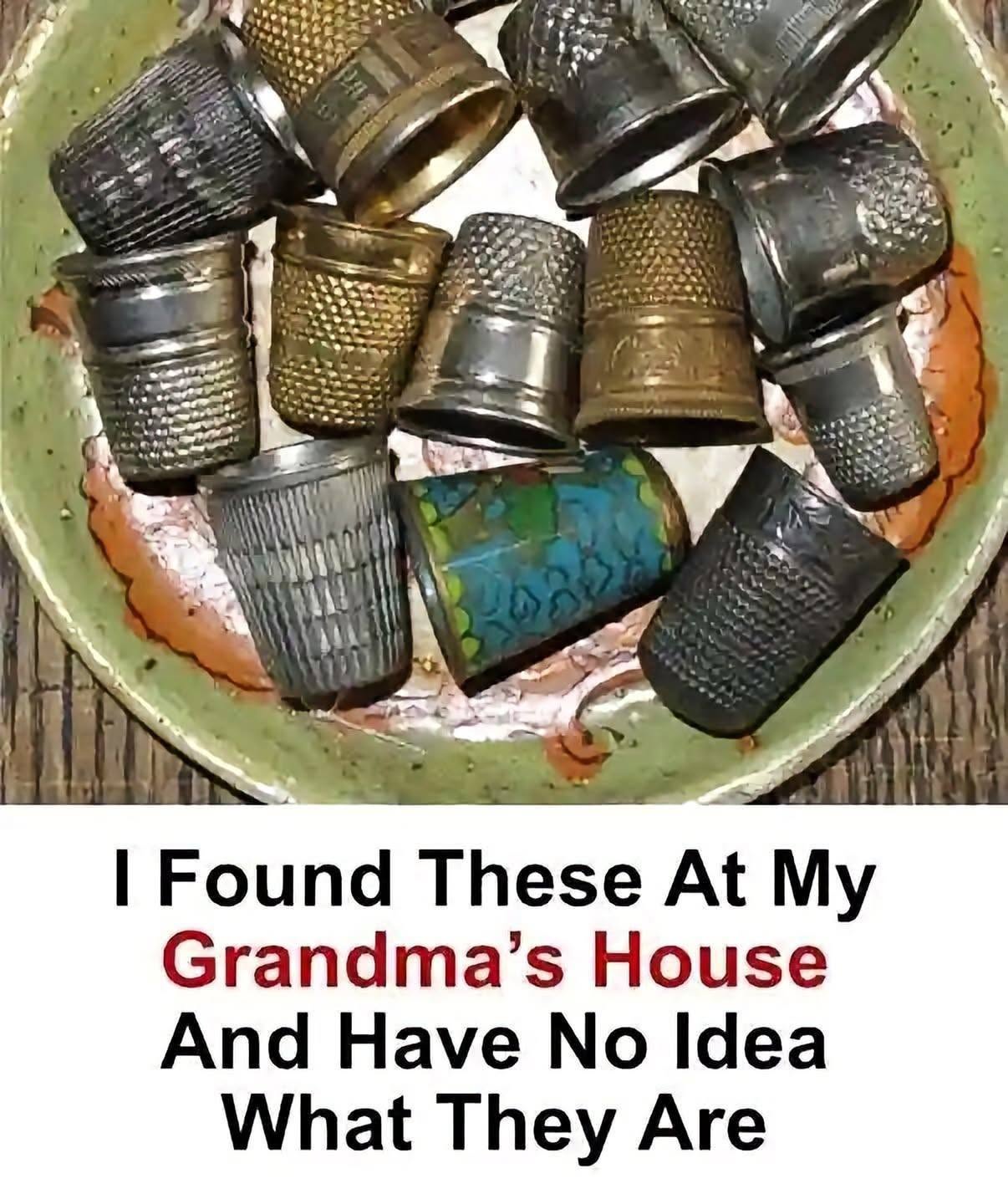
When sorting through vintage sewing boxes, heirloom jewelry chests, or attic estate collections, it is common to stumble upon small, dome-shaped metal caps marked with uniform indentations or textured grids.
While they might look mysterious to anyone unfamiliar with traditional needlework, these objects are sewing thimbles—an essential tool that defined textile craft and garment making for centuries.
Below, we break down what thimbles are used for, their fascinating history, and how to identify antique collectibles in your family’s collection!
What Is a Thimble and How Is It Used?
A thimble is a small protective shield—typically made of metal, leather, porcelain, or plastic—worn over the fingertip (usually the middle finger) during hand-sewing, quilting, or tailoring.
It serves two primary functions:
-
Fingertip Protection: Shields the skin from accidental needle pricks when stitching heavy fabrics like denim, wool, canvas, or leather.
-
Needle Pushing Power: The textured dimples (called dimpling or indentations) catch the dull eye-end of the needle, allowing the sewer to push it safely through dense layers of material without slipping.
A Brief History of Thimbles
Thimbles are among the oldest functional tools still used today:
-
Ancient Beginnings: Early humans crafted thimbles from leather, bone, wood, and stone. Metal thimbles made of bronze date back to Roman times.
-
The Industrial Era: During the 18th and 19th centuries, thimble manufacturing flourished in Europe and North America, producing durable brass, silver, and gold pieces.
-
Commemorative Collectibles: In Victorian times, decorative porcelain and silver thimbles were given as gifts, souvenirs, or love tokens, making them highly collectible items today (known in collecting circles as digitabuellism).
How to Tell If a Thimble Is Valuable or Antique
If you inherited a collection of thimbles from a family member, look for these key indicators when evaluating their age and value:
1. Check for Maker’s Marks and Hallmarks
Examine the inner rim or outer band under a magnifying glass. Sterling silver thimbles often feature hallmarks indicating their origin, silver purity (e.g., “925” or anchor/lion symbols), or famous maker stamps (such as Simons Bros. or Charles Horner).
2. Inspect the Dimpling Pattern
-
Hand-Knurled / Hand-Punched: Older pre-19th-century thimbles often have unevenly spaced, deep hand-punched dimples.
-
Machine-Molded: Modern or mass-produced 20th-century thimbles display perfectly uniform, mechanically stamped grid patterns.
3. Identify the Material
-
Precious Metals: Silver, gold, and brass thimbles hold lasting historical and monetary value.
-
Celluloid & Bakelite: Popular in the early-to-mid 20th century, these early plastic thimbles are prized by retro craft enthusiasts.
-
China / Porcelain: Highly decorative, often featuring painted flowers or travel souvenir logos, meant primarily for display rather than heavy sewing.
Conclusion
Finding a box of old thimbles is a wonderful link to generational craftsmanship and family heritage. Whether used for practical mending or kept as a sentimental keepsake, these timeless tools carry centuries of creative history right on their fingertips!
Frequently Asked Questions (FAQ)
Which finger do you wear a thimble on?
Most sewers wear a thimble on the middle finger of their dominant hand, as this finger provides the most direct force when pushing a needle through fabric.
Are old thimbles worth money?
While common brass or aluminum thimbles sell for modest amounts, rare sterling silver, antique gold, or artist-signed Victorian thimbles can command significant value among specialized collectors!