

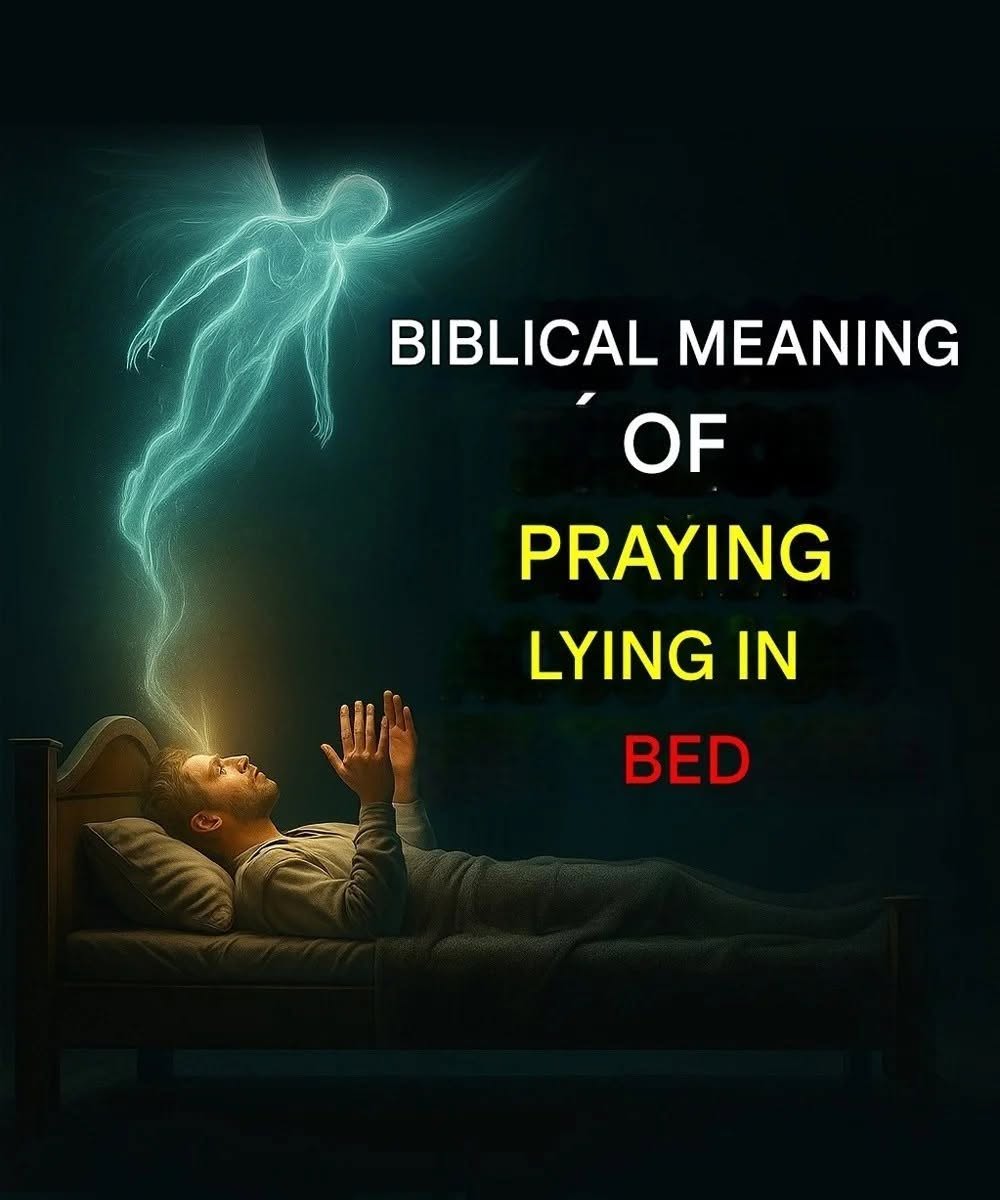


Prayer is one of the most vital, deeply personal aspects of spiritual life. It serves as a direct line of communication with God, offering comfort, guidance, peace, and spiritual strength. Yet, many believers often wonder about the proper posture and etiquette for prayer. Is it permissible to pray while lying down in bed at night or early in the morning? Does God require us to kneel, stand, or sit with folded hands, or does He look directly at the condition of our hearts?
Throughout Scripture, prayer is depicted not as a rigid formality, but as an intimate, ongoing conversation between a creator and His children. Examining what the Bible says about prayer positions, bed time devotionals, and spiritual intimacy reveals that God values posture of the heart far above physical posture.
Below, we explore the biblical foundation for praying in bed, key Bible verses about night prayers, and how cultivating a nighttime prayer habit can transform your peace of mind and spiritual health.
What the Bible Says About Physical Posture in Prayer
When reading Scripture, it becomes clear that people prayed in almost every imaginable physical position depending on their circumstances, emotional state, and physical capability.
Biblical Examples of Prayer Positions
-
Kneeling: Solomon kneeled when praying during the dedication of the Temple (1 Kings 8:54), and Jesus kneeled in the Garden of Gethsemane (Luke 22:41).
-
Standing: Hannah stood while pouring out her heart in prayer at the tabernacle (1 Samuel 1:26), and Jesus noted standing as a common posture in Mark 11:25.
-
Prostrate (Lying Face Down): Moses fell face down before the Lord in deep humility (Deuteronomy 9:18), as did Joshua (Joshua 5:14).
-
Sitting: David “sat before the Lord” when praying about God’s covenant with his house (1 Chronicles 17:16).
-
Lying in Bed: King David frequently wrote in the Psalms about meditating on God and praying upon his bed late at night.
The diversity of these positions demonstrates that there is no single “correct” body position mandated for prayer. Whether you are standing in a church sanctuary or lying in bed at night, God hears your voice.
Scriptural Proof: King David’s Bedtime Prayers
One of the most profound examples of praying while lying in bed comes from King David in the Book of Psalms. David frequently turned his mind toward God during the quiet hours of the night when resting on his bed.
Meditating on God During the Night Watches
In Psalm 63:6, David writes: “When I remember You on my bed, I meditate on You in the night watches.” This verse clearly shows that lying down in bed is a meaningful time for deep spiritual reflection, worship, and personal communion with God.
Finding Peace and Emotional Healing
In Psalm 4:4-8, believers are instructed to examine their hearts in quiet solitude: “Meditate within your heart on your bed, and be still. […] I will both lie down in peace, and sleep; for You alone, O Lord, make me dwell in safety.”
For David, his bed was not just a place of sleep, but a sanctuary where he processed anxiety, sought divine protection, and surrendered his cares to the Almighty before falling asleep.
Why Posture of the Heart Matters Most
While physical postures like kneeling show reverence and humility, God places primary emphasis on the inner spirit. In 1 Samuel 16:7, Scripture reminds us: “For the Lord does not see as man sees; for man looks at the outward appearance, but the Lord looks at the heart.”
Accessibility for Everyone
If rigid physical postures were required for effective prayer, many individuals would be excluded from communicating with God. Praying while lying in bed ensures that prayer remains fully accessible to:
-
The Elderly and Infirm: Individuals with joint pain, physical disabilities, or chronic health conditions who cannot comfortably kneel or stand.
-
The Sick and Recovering: Patients recovering in hospital beds or home care settings who rely on prayer for healing, comfort, and peace.
-
The Exhausted: Believers who have worked demanding hours and want to end their day in total rest while offering heartfelt thanks.
God desires relationship above ritual. A sincere prayer uttered from a bed of sickness or exhaustion carries tremendous spiritual power.
Practical Benefits of Praying in Bed Before Sleep
Developing a habit of ending your day with prayer while lying in bed offers proven spiritual, mental, and physical benefits.
1. Reducing Stress and Anxiety
Anxiety often strikes hardest when the room goes dark and the noise of the day fades away. Turning your concerns over to God through nighttime prayer lowers stress hormones, calms racing thoughts, and fosters internal stillness.
2. Cultivating Gratitude
Reflecting on the day’s blessings right before going to sleep shifts your mindset from worry to gratitude. Expressing thanks for safety, shelter, family, and provisions sets a peaceful emotional baseline for rest.
3. Improving Sleep Quality and Mental Health
Medical and psychological studies confirm that positive evening routines improve overall sleep quality. Combining prayer with deep breathing signals your nervous system that it is safe to relax, leading to deeper, more restorative rest.
Life Planning, Legacy, and Spiritual Security
Building a strong spiritual foundation often inspires individuals to take proactive care of their practical life responsibilities as well. True peace of mind involves stewarding both your spiritual walk and your personal affairs.
-
Family Protection and Estate Planning: Ensuring your family is protected through comprehensive life insurance, clear estate planning, and legal wills reflects responsible stewardship and care for your loved ones.
-
Financial Stewardship and Retirement: Wise financial choices—such as long-term investments, mortgage management, and debt consolidation—help remove chronic stress so you can focus on personal growth, education, and charitable giving.
Practical Tips for Effective Nighttime Bed Prayers
If you want to make bedtime prayer a consistent, meaningful part of your evening routine, consider these straightforward tips:
-
Keep it Conversational: Talk to God openly as a loving Father. Share your honest feelings, fears, victories, and needs without worrying about formal language.
-
Incorporate Scripture: Recite comforting Bible verses, such as Psalm 23 or Psalm 91, as part of your nighttime reflection to anchor your heart in truth.
-
Practice Silent Meditation: Spend a few moments listening in silence after speaking. Allow the peace of the Holy Spirit to quiet your mind.
-
Avoid Distractions: Turn off your smartphone, television, and tablets prior to lying down so your mind remains clear and unhurried during prayer.
Fascinating Facts About Biblical Prayer Habits
-
The Three Daily Times: Ancient Jewish tradition, practiced by Daniel and David, involved praying three times a day—morning, afternoon, and night (Psalm 55:17).
-
Jesus Prayed All Night: Before choosing His twelve apostles, Jesus spent the entire night praying on a mountain (Luke 6:12).
-
Prayer in Darkness: The night hour in Hebrew tradition was divided into “watches,” which were considered ideal times for quiet vigil and divine connection.
Conclusion
Praying while lying in bed is not only biblically sound—it is a beautiful, intimate tradition practiced by kings, prophets, and saints throughout history. God does not measure the effectiveness of your prayer by whether you are standing, kneeling, or resting beneath a blanket; He looks directly at the sincerity and faith of your heart. As you lie down to rest each night, feel completely confident that your quiet, bedtime prayers are heard, valued, and answered.
Frequently Asked Questions (FAQ)
Is it disrespectful to pray while lying down in bed?
No. God looks at the sincerity of your heart rather than your physical position. Scripture explicitly mentions King David meditating and praying upon his bed (Psalm 63:6).
What should I do if I fall asleep while praying in bed?
Falling asleep in prayer is nothing to feel guilty about! Entering rest while communicating with God is a peaceful way to fall asleep, trusting that He holds you in His care throughout the night.
What is a good prayer to say before sleeping in bed?
A wonderful bedtime prayer is: “Lord, thank You for watching over me today. I release all my worries into Your hands. Give me peaceful, restorative sleep, and grant me strength for tomorrow. Amen.”