


Navigating air travel—from long layovers and crowded terminals to unexpected tarmac delays—can be a stressful experience even for frequent flyers. Having your favorite snacks, hydration, and comfortable travel accessories close at hand can transform a tedious flight into a relaxing journey.
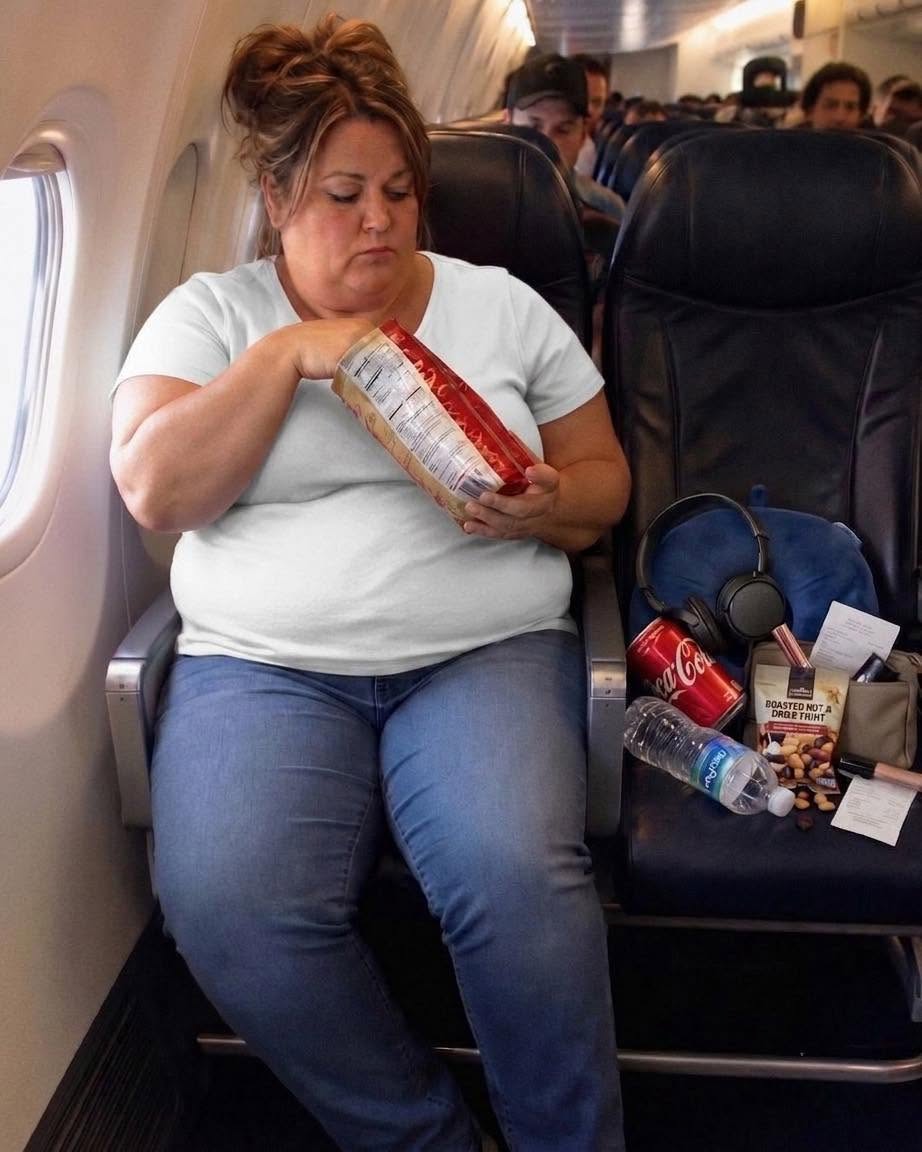
Viral images capturing everyday moments in airplane cabins often resonate with travelers because we have all been there: settled into a seat, opening a favorite bag of snacks, and getting ready for takeoff.
Below, we break down essential strategies for staying comfortable during long flights, smart packing hacks for airplane carry-ons, and basic cabin etiquette to ensure a smooth trip for everyone.
4 Must-Have Carry-On Essentials for Long Flights
Keeping key comfort items within easy reach in your seatback pocket or under-seat bag makes a world of difference:
1. Noise-Canceling Headphones
Aircraft cabins generate constant low-frequency engine noise that can contribute to fatigue. Quality noise-canceling headphones help block out ambient hums, allowing you to enjoy movies, podcasts, or music in peace.
2. Hydration and Balanced Snacks
Airplane cabin air has low humidity, which often leads to dehydration. Carrying a reusable water bottle (filled after security) along with smart, portable snacks—like nuts, trail mix, or protein bars—keeps your energy steady throughout the flight.
3. Neck Support and Travel Pillows
A supportive travel pillow helps keep your spine aligned if you plan to sleep sitting up, preventing neck strain and stiffness upon landing.
4. Layers for Temperature Control
Cabin temperatures can fluctuate dramatically between tarmac waiting times and cruising altitude. A lightweight sweater, hoodie, or cozy scarf ensures you stay warm regardless of the air conditioning settings.
Smart Airplane Cabin Etiquette & Tips
Sharing a compact space with dozens of fellow passengers requires a little extra mindfulness:
-
Keep Aisle Access Clear: Store larger personal items safely under the seat in front of you so footwell space remains clear for easy movement.
-
Be Mindful of Strong Aromas: When choosing snacks for a flight, opt for mild foods rather than foods with strong spices or pungent odors out of consideration for surrounding passengers.
-
Use Soft Lighting: If you are reading or using electronics during night flights, keep screen brightness low or use personal reading lights to avoid disturbing sleeping neighbors.
3 Hacks for Beating In-Flight Jet Lag and Fatigue
1. Adjust Your Watch Immediately
As soon as you board the aircraft, set your watch or phone to your destination’s local time zone to help your brain mentally transition to the new schedule.
2. Move and Stretch Periodically
On long flights, do simple ankle rolls and calf raises in your seat, or stand up to walk the aisle when the seatbelt sign is off to promote healthy blood circulation.
3. Limit High-Caffeine and Sugary Drinks
While an cold soda or coffee is refreshing, balancing indulgence with plenty of water helps prevent energy crashes and dehydration at high altitudes.
Conclusion
Whether you are traveling for business or heading out on a well-deserved vacation, being prepared with the right snacks, gear, and travel mindset ensures you arrive at your destination refreshed and ready to go. Pack smart, stay hydrated, and enjoy the flight!
Frequently Asked Questions (FAQ)
Can you bring your own snacks on a commercial flight?
Yes! You can bring solid food items (such as pretzels, nuts, sandwiches, and dried fruit) through airport security checkpoint screeners. Liquids, gels, and spreads over $3.4\text{ ounces}$ ($100\text{ ml}$) must be purchased after security.
How do I prevent ear pressure during takeoff and landing?
Chewing gum, swallowing, yawning, or using specialized pressure-equalizing earplugs helps open the Eustachian tubes and equalize pressure in your inner ears during altitude changes.