


There is an undeniable allure to high-end patisserie displays. A perfectly executed mirror glaze cake (glaçage miroir) stands out as an absolute showstopper, capturing light and reflecting its surroundings with a flawless, glass-like sheen. For many passionate home bakers and culinary enthusiasts, achieving this level of professional finish feels like an unattainable secret reserved only for elite pastry chefs. However, the transition from basic home baking to creating stunning, gallery-worthy desserts is entirely rooted in food science, temperature control, and precision engineering.
Baking at this level is much more than following a basic set of instructions; it is a meticulous study of how ingredients interact under specific thermal conditions. By understanding the behavior of gelling agents, the crystallization of premium cocoa fats, and the structural integrity of underlying layers, you can turn your kitchen into a center for culinary excellence. Let us dive deep into the chemical mechanics of reflective glazes, examine the art of balancing rich flavor profiles with fresh fruit, and map out a clear path to mastering advanced pastry presentation.
Decoding the Chemistry of the Mirror Glaze
The defining characteristic of a world-class mirror glaze is its reflective surface. Achieving a completely smooth, brilliant coat that holds its shape without becoming rubbery requires a perfect balance of three core components: gelatin, sugar syrups, and high-quality chocolate.
Gelatin Hydration and Bloom Strength
Gelatin is the vital structural backbone of any mirror glaze. Derived from animal collagen, gelatin forms a thermo-reversible triple-helix network when cooled, locking liquid ingredients into a flexible, clear gel matrix.
-
The Bloomed State: Before adding gelatin to a hot glaze mixture, it must be fully hydrated in cold water (a process known as blooming). Using the correct bloom strength—typically 200 to 225 gold grade sheet gelatin—ensures the glaze sets with an ultra-glossy finish without altering the delicate mouthfeel.
-
Elasticity vs. Density: If too little gelatin is used, the glaze will remain fluid, running off the sides of the cake and pooling unappealingly on the plate. Conversely, an excess of gelatin creates a thick, rubbery skin that degrades the overall eating experience.
The Role of Liquid Sweeteners
To prevent the glaze from forming graining or micro-crystals as it cools, recipes rely heavily on liquid sugars like glucose syrup or light corn syrup alongside standard granulated sugar. Glucose molecules physically interfere with the alignment of sucrose crystals, keeping the glaze smooth, pliable, and perfectly clear.
The Critical Importance of Thermal Management
If there is one absolute rule in advanced pastry arts, it is that temperature dictates destiny. Even a single degree of variance can make the difference between a flawless presentation and a structural collapse.
+--------------------------------------------------------+
|         Prepare Mousse Cake & Freeze Solid (-10°F)     |
+---------------------------+----------------------------+
                            |
                            v
+--------------------------------------------------------+
|     Heat Glaze Mixture & Cool Precisely to 90°F-94°F    |
+---------------------------+----------------------------+
                            |
                            v
+--------------------------------------------------------+
|   Pour Seamlessly Over the Completely Frozen Surface   |
+---------------------------+----------------------------+
                            |
                            v
+--------------------------------------------------------+
|   Immediate Thermal Set Creates a Flawless Mirror Finish|
+--------------------------------------------------------+
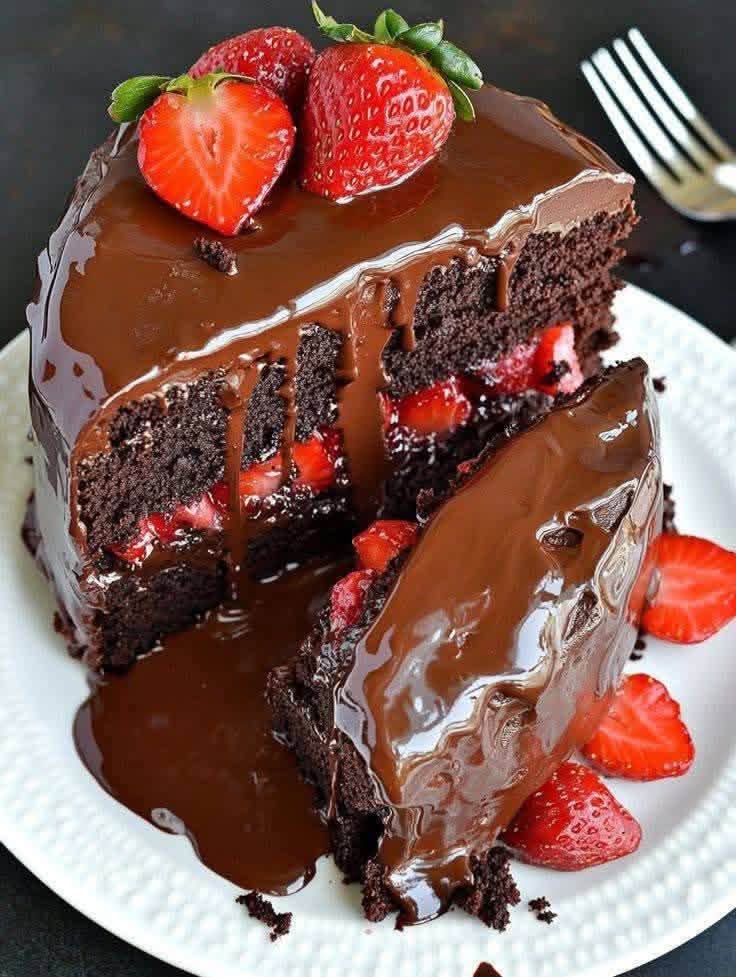
When applying a mirror glaze, the underlying dessert—whether it is a rich chocolate heart cake, an intricate entremet, or a layered mousse—must be frozen completely solid, ideally at sub-zero temperatures. When the warm glaze meets the frozen exterior of the dessert, it experiences an immediate thermal shock. This drop in temperature causes the gelatin network to flash-set instantly, gripping the surface perfectly before it has a chance to slide off.
The glaze itself must be cooled precisely to its optimal pouring window, typically between 90°F and 94°F. If the glaze is poured too hot, it will melt the underlying mousse or cream, causing the colors to muddy and ruin the clean lines. If it is poured too cold, it will begin to gelatinize in the pitcher, creating an uneven, lumpy coat full of visible drag marks.
Texture Contrast: Combining Crispy Bases with Silky Fillings
A truly exceptional dessert provides an engaging sensory experience through contrasting textures. A flawless mirror glaze cake often features a crisp, stable base—such as a buttery sablé Breton or a crunchy praline feuilletine layer—supporting a ultra-smooth chocolate mousse or cream core.
This multi-textured philosophy extends across gourmet pastries, from structural glazed hearts to classic Italian cannoli and rich, layered fudge cakes. Incorporating distinct textures ensures that every single bite offers structural contrast, preventing the palate from becoming overwhelmed by a single consistency.
Flavor Harmonization: Pairing Rich Cacao with Bright Citrus and Berries
While visual presentation captures initial attention, flavor execution determines a dessert’s ultimate success. Deep chocolate profiles feature intense, earthy flavor notes that benefit greatly from strategic contrast.
| Element Type | Ingredient Examples | Culinary Contribution |
| Deep Base | Dark Cocoa, Premium Espresso, Roasted Nuts | Provides the fundamental rich, bittersweet grounding notes for the palate. |
| Bright Contrast | Mandarin Oranges, Fresh Blueberries, Mint | Introduces bright acidity and natural sugars that break through heavy cocoa lipids. |
| Textural Finish | Biscuit Crumbs, Shaved Chocolate, Citrus Zest | Adds an inviting visual frame and a satisfying crunch to round out the bite. |
Pairing a rich chocolate glaze with fresh blueberries and vibrant mandarin orange segments creates an excellent balance. The natural citric and malic acids present in the fruit cut through the dense fat profile of the cocoa butter, cleansing the palate and making the overall dessert experience feel significantly lighter and more refreshed.
Elevating Your Passion into a Commercial Asset
Mastering specialized pastry skills is far more than a personal milestone; it represents a powerful investment in your creative and professional future. The global market for artisan, high-end desserts continues to grow rapidly as consumers seek out visually stunning, premium experiences for celebrations and events.
For individuals looking to transition from dedicated hobbyist to launching a boutique confectionery business, acquiring these technical skills provides a distinct competitive advantage. High-end pastries command premium pricing structures due to their complexity and artistic appeal. Treating your kitchen as a lab for testing recipes and mastering presentation builds the foundation needed to design profitable menus, market artisanal goods, and manage a successful micro-bakery operation with confidence.
Practical Tips for Achieving a Flawless Glaze Finish
-
Eliminate Micro-Bubbles: When blending your mirror glaze, keep the head of your immersion blender completely submerged at the bottom of the container at a sharp angle. Lifting the blender injects air into the mixture, creating thousands of tiny bubbles that will ruin the glass-like finish.
-
Sift Through a Fine Mesh Sieve: Always pass your warm glaze through a fine-mesh strainer at least twice before pouring. This filters out unblended fragments of gelatin or cocoa solids, ensuring a completely uniform consistency.
-
Master the Double-Pour Drip: For multi-layered treats or stacked brownies, ensure your chocolate ganache flows smoothly by adding a touch of neutral oil or warm cream. This keeps the glaze fluid enough to cascade beautifully down the sides without building up clumsy, thick edges.
Interesting Facts About Pastry Arts and History
-
The Origin of the Word Pastry: The term “pastry” comes from the ancient Greek word paste, which referred to a basic mixture of flour, water, and fat boiled together to wrap around meats and preserve them during travel.
-
The Invention of Mirror Glaze: While glossy gelatin glazes have been used in savory cooking for generations, the ultra-reflective sweet chocolate mirror glaze was popularized by pioneering French pastry chefs in the late 20th century.
-
The Visual Science of Glaze: Psychological research shows that human brains are naturally drawn to glossy, reflective food textures because our deep evolutionary biology associates a high sheen with fresh water and nutrient-dense resources.
Conclusion
Creating a world-class mirror glaze dessert is a beautiful marriage of culinary art and precise chemistry. By mastering gelatin hydration, maintaining exact thermal control, and pairing rich chocolate profiles with bright, acidic fruits, you can reliably elevate your baking to a professional standard.
Whether you are baking to delight loved ones at a weekend gathering, expanding your personal culinary education, or building a unique brand identity for a commercial enterprise, these core principles remain unchanged. Approach your counter with patience, trust the science of baking, and enjoy the wonderful process of creating breathtaking, edible art.
FAQ Section
Can I fix a mirror glaze that has air bubbles in it?
If your glaze is full of air bubbles, tap the container firmly against your counter to encourage them to rise to the surface. Alternatively, pass the warm glaze through a fine-mesh sieve multiple times, or gently skim the surface with a paper towel to lift the bubbles away before pouring.
How do I store a mirror glaze cake after pouring?
Once glazed, the cake should be kept in the refrigerator in a sturdy box or container. The refrigerator allows the glaze to maintain its smooth shape while the inner frozen layers thaw gently to the perfect serving consistency over several hours.
Can I reuse leftover mirror glaze?
Yes. Leftover mirror glaze can be stored in an airtight container in the refrigerator for up to two weeks, or frozen for up to two months. Simply reheat it gently over a double boiler or in short bursts in the microwave, and blend it again with an immersion blender before adjusting it to the proper pouring temperature.