


The History of Clip-On Earrings: Nostalgic Fashion and Vintage Jewelry Care
Long before pierced ears became the standard across global fashion, clip-on earrings dominated women’s jewelry boxes throughout the 20th century. Featuring bold colors, durable plastic or enamel studs, and spring-hinged metal clips, these classic fashion accessories offered a painless way to wear statement jewelry.
Whether you inherited a set from a family member or spotted them at an antique thrift shop, clip-on earrings remain iconic symbols of mid-century fashion ingenuity.
Below, we look into the history of clip-on earrings, how their mechanical backing systems evolved, and how to make vintage pairs comfortable to wear today!
A Brief History of Clip-On Earrings
For centuries, wearing earrings required pierced earlobes. However, cultural trends and manufacturing innovations changed how fashion accessories were worn throughout the 1900s:
-
The 1920s & 1930s (Screw-Back Era): As modern short hairstyles and bob cuts became popular, women sought eye-catching earrings. Screw-back mechanisms were introduced, allowing non-pierced wearing by manually tightening a small threaded screw against the lobe.
-
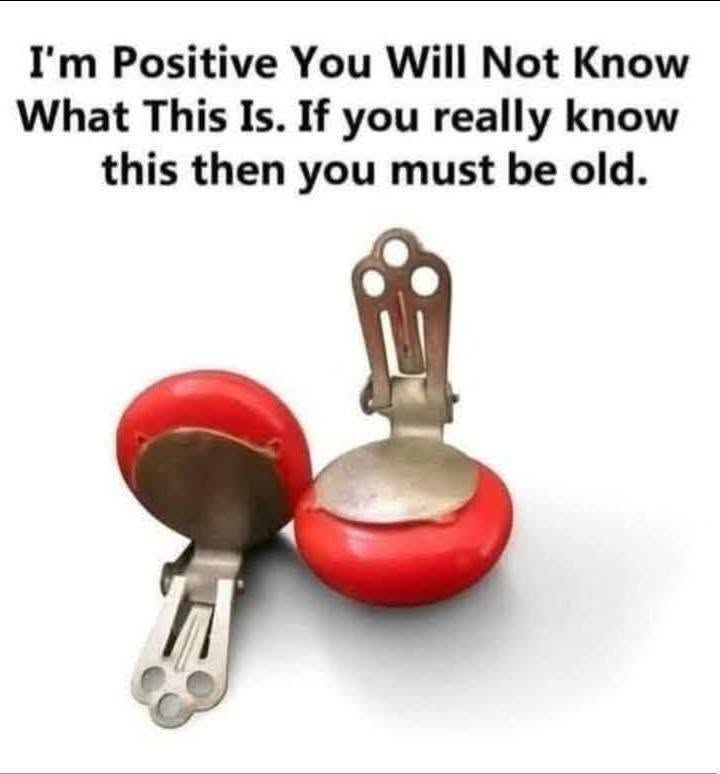
The 1940s & 1950s (The Paddle Clip Boom): The classic paddle clip (seen in the photo above) was perfected. Featuring a tension spring and hinged lever, these metal clips allowed wearers to snap earrings on and off instantly.
-
The 1960s & 1970s (Plastic & Lucite Statements): Brightly colored molded plastics, Lucite, and enamel studs attached to metal paddle backings became popular, affordable everyday fashion accessories.
How the Paddle Clip Mechanism Works
The standard clip-on backing uses simple mechanical tension:
-
Hinged Lever: A metal arm attached to the back of the earring decorative front pivots open and closed.
-
Tension Spring: A small internal spring blade holds the metal arm firmly against the back of the earlobe once snapped shut.
-
Padded Surface: Many wearers placed soft rubber pads or cushions over the top holes of the paddle arm to prevent pinching during long periods of wear.
Comparing Vintage Earring Backings
| Backing Style | Era Introduced | Mechanism | Comfort Level |
| Screw-Back | Early 1900s | Threaded screw tightened manually | Customizable pressure |
| Hinged Paddle Clip | 1930s–1940s | Spring-loaded snap lever | Fast to wear; can pinch if tight |
| Screw-Clip Hybrid | 1950s | Hinged lever with adjustable fine screw | Highly comfortable & secure |
| Magnetic Backing | Late 1980s | Small magnets holding front & back | Gentle, but easily lost |
How to Make Vintage Clip-On Earrings Comfortable
If you love the look of vintage clip-ons but find the tension too tight, try these easy comfort fixes:
-
Add Silicone Comfort Cushions: Slip soft, inexpensive silicone ear pads over the metal paddle clips to cushion the pressure point.
-
Adjust Tension Lightly: For metal paddle clips, gently bend the center tension spring blade slightly backward with small jewelry pliers to reduce spring force.
-
Clean the Metals Safely: Wipe vintage metal clips with a soft microfiber cloth and mild soapy water. Avoid submerging glued plastic studs in harsh chemical jewelry cleaners.
Conclusion
Vintage clip-on earrings represent a timeless blend of bold fashion and mechanical convenience. Whether preserved as collectible antiques or worn as retro fashion statements, these mid-century classics continue to bring nostalgia and style to jewelry lovers everywhere!
Frequently Asked Questions (FAQ)
Why did clip-on earrings drop in popularity?
By the late 1970s and 1980s, professional ear piercing became widely accessible, sanitary, and culturally accepted, leading most fashion brands to shift primarily toward post and wire pierced earring designs.
Can you convert vintage clip-on earrings to pierced posts?
Yes! Many vintage jewelry repair shops can remove the original clip backing and solder or epoxy a post or french wire hook, depending on the material and value of the antique piece.