
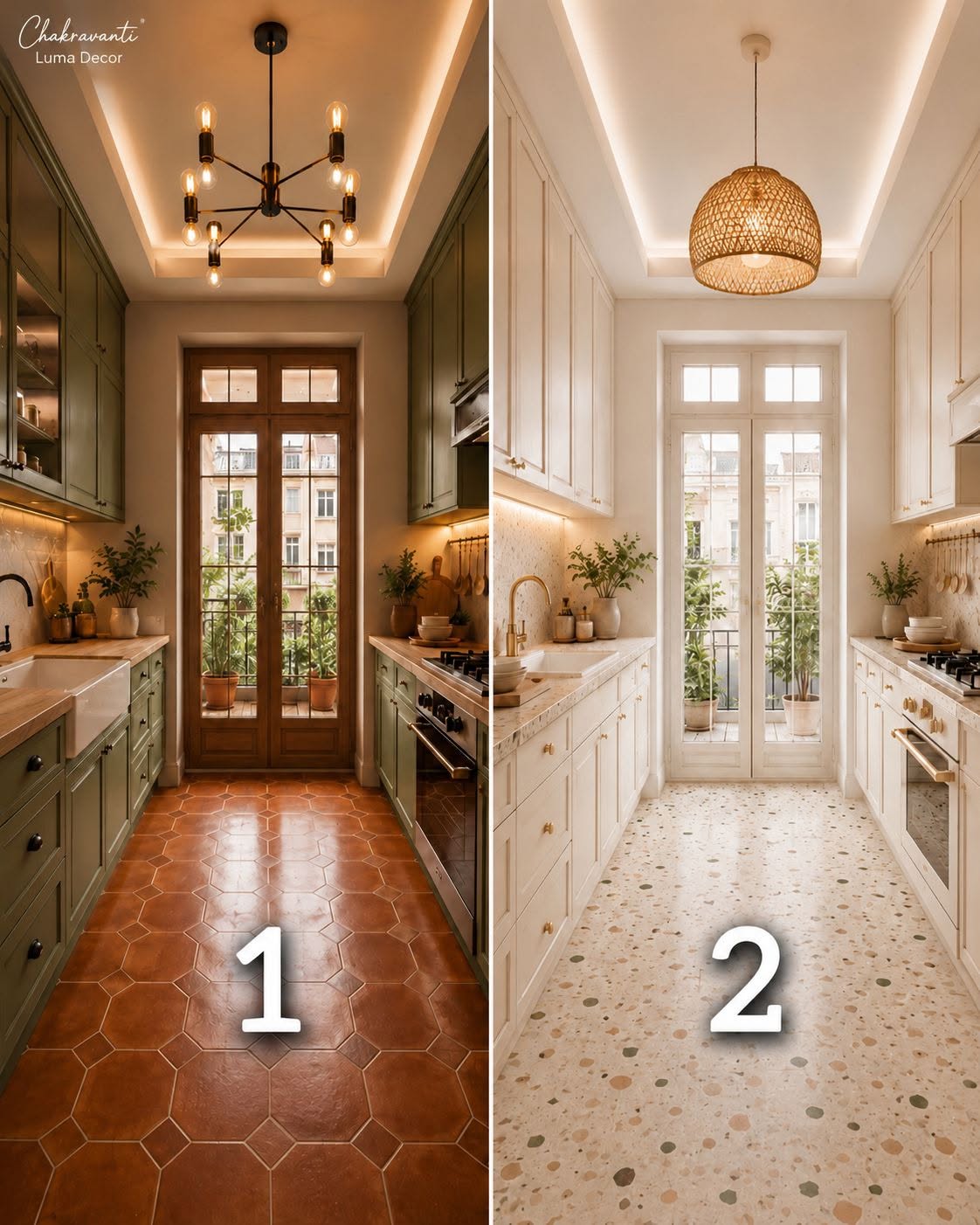


A kitchen renovation is one of the most transformative home improvement projects a homeowner can undertake. Far beyond simple aesthetic updates, modern kitchen design merges functionality, architectural light, custom cabinetry, and material durability to create the heart of the home. When planning a kitchen redesign or remodeling project, choosing the right design direction—such as warm, organic earth tones or bright, airy modern minimalism—sets the foundation for the home’s value, living comfort, and overall visual harmony.
This comprehensive guide explores two distinctly popular design palettes: Moody Warmth with Sage Green & Terracotta vs. Bright Minimalist Elegance with Cream & Terrazzo. We examine lighting strategies, flooring choices, cabinetry styles, return on investment (ROI), and home equity impact to help you make an informed decision for your next project.
Comparing the Design Styles: Earthy Warmth vs. Light Minimalism
To understand which visual aesthetic aligns best with your lifestyle and architectural footprint, consider how color tone, materials, and lighting interact within a kitchen space.
| Design Feature | Style 1: Warm Organic (Sage & Terracotta) | Style 2: Modern Minimalist (Cream & Terrazzo) |
| Cabinetry | Olive / Deep Sage Green Shaker | Off-White / Cream Flat-Panel |
| Flooring | Terracotta Hexagonal Tile | Speckled Terrazzo Tile |
| Hardware | Matte Black or Dark Bronze | Brushed Gold or Brass |
| Lighting | Industrial Chandelier & Warm Cove | Woven Rattan Pendant & Ambient LED |
| Atmosphere | Cozy, Old-World European, Rustic | Airy, Scandinavian, Contemporary |
| Maintenance | Medium (tile sealing required) | Low to Medium (light tile shows spills) |
Style 1: The Charm of Olive Green, Terracotta, and Industrial Accents
The first design approach emphasizes rich textures, natural clay tones, and grounding greens to create an inviting, artisanal kitchen experience.
1. Color Palette and Psychological Impact
Sage green and deep olive hues have gained immense popularity in luxury interior design. Green brings a calming connection to nature indoors, reducing stress and creating a relaxed cooking environment. Paired with warm terracotta flooring, this palette establishes an earthy, Old-World European charm reminiscent of Mediterranean or Tuscan villas.
2. Flooring and Tile Work
Hexagonal terracotta tiles add geometric depth and warmth to narrow layout spaces. Terracotta is prized for its organic variation and timeless durability, making it an excellent choice for rustic or traditional homes. Proper sealing ensures resistance against moisture and food spills.
3. Lighting and Fixture Details
Industrial black branching chandeliers with exposed warm filament bulbs create a striking focal point. Ambient LED tray lighting along the ceiling line complements task lighting beneath upper cabinets, highlighting wooden butcher-block or soapstone countertops.
Style 2: The Elegance of Bright Cream, Terrazzo, and Woven Textures
The second design philosophy focuses on maximizing natural light, clean lines, and subtle organic textures to create a spacious, modern feel.
1. Brightening Small or Narrow Kitchens
Light cream and warm white cabinets reflect both natural light from balcony doors and soft artificial lighting, making narrow galley kitchens feel significantly larger and more open.
2. Terrazzo Flooring and Gold Hardware
Terrazzo flooring features subtle flecks of beige, green, and neutral stone embedded in polished concrete or resin. This adds sophisticated visual interest without cluttering the visual field. Brushed gold or brass hardware adds a touch of high-end luxury while maintaining an approachable, serene aesthetic.
3. Natural Accent Materials
A woven rattan or bamboo pendant light softening the ceiling tray light adds warmth and organic texture, preventing bright modern kitchens from feeling sterile or clinical.
Financial, Insurance, and Property Value Considerations
Kitchen renovations represent a significant financial commitment. Understanding the economic, legal, and financial dimensions ensures a smooth remodeling process:
-
Return on Investment (ROI): According to industry real estate studies, minor to mid-range kitchen remodels typically yield a 60% to 80% ROI upon property resale. High-quality materials like custom hardwood cabinetry and stone countertops hold long-term market value.
-
Home Equity Financing & Loans: Homeowners frequently fund kitchen renovations using Home Equity Lines of Credit (HELOC), specialized home improvement loans, or cash-out refinancing. Evaluating interest rates and working with reputable lending institutions is essential when budgeting for structural or cosmetic updates.
-
Homeowners Insurance Coverage: Substantial kitchen updates—especially those involving new plumbing, electrical rewiring, or premium fixtures—may increase the replacement cost of your home. Updating your homeowners insurance policy ensures full coverage in the event of unforeseen damage or water loss.
-
Permits and Legal Compliance: Major kitchen redesigns involving gas lines, structural walls, or new electrical circuits often require municipal building permits. Working with licensed, insured general contractors protects against property liabilities and legal non-compliance during home appraisals.
Practical Remodeling Tips for Homeowners
-
Optimize Small Spaces: Utilize tall upper cabinets extending to the ceiling tray to maximize vertical storage in narrow layouts.
-
Mix Hard and Soft Lighting: Combine warm ambient ceiling coves (2700K to 3000K) with crisp under-cabinet task lighting to balance mood and functionality.
-
Choose Durable Countertops: Quartz, granite, and treated butcher-block offer excellent durability against daily wear, hot pans, and cooking oils.
-
Coordinate Hardware Finishes: Match cabinet knobs, drawer pulls, and kitchen faucets to maintain a unified design language throughout the space.
Key Takeaways and Conclusion
Whether you prefer the cozy, rustic warmth of sage green and terracotta or the luminous elegance of cream cabinets and terrazzo, thoughtful kitchen design balances aesthetic preference with structural utility. Investing in high-grade materials, proper lighting layers, and professional installation boosts daily quality of life while building long-term home equity.
Frequently Asked Questions (FAQ)
Which kitchen design style adds more value to a home?
Neutral and bright designs (such as Cream & Terrazzo) tend to have broader appeal for prospective homebuyers, making them a safe choice for resale. However, high-quality artisanal designs (like Sage & Terracotta) appeal strongly to buyers seeking character and luxury finishes.
Is terracotta tile easy to maintain in a kitchen?
Terracotta tiles require proper sealing during installation and periodic resealing every few years to protect against moisture absorption and staining. When sealed correctly, terracotta is exceptionally durable and easy to sweep and mop.
How do I finance a kitchen renovation?
Common financing options include Home Equity Lines of Credit (HELOC), personal home improvement loans, or savings. Consulting a financial advisor or mortgage broker helps identify the best low-interest option for your budget.
Do I need a permit to remodel my kitchen?
Cosmetic changes like painting cabinets or replacing tile generally do not require permits. However, altering gas lines, moving plumbing fixtures, or updating electrical wiring requires building permits in most jurisdictions.