

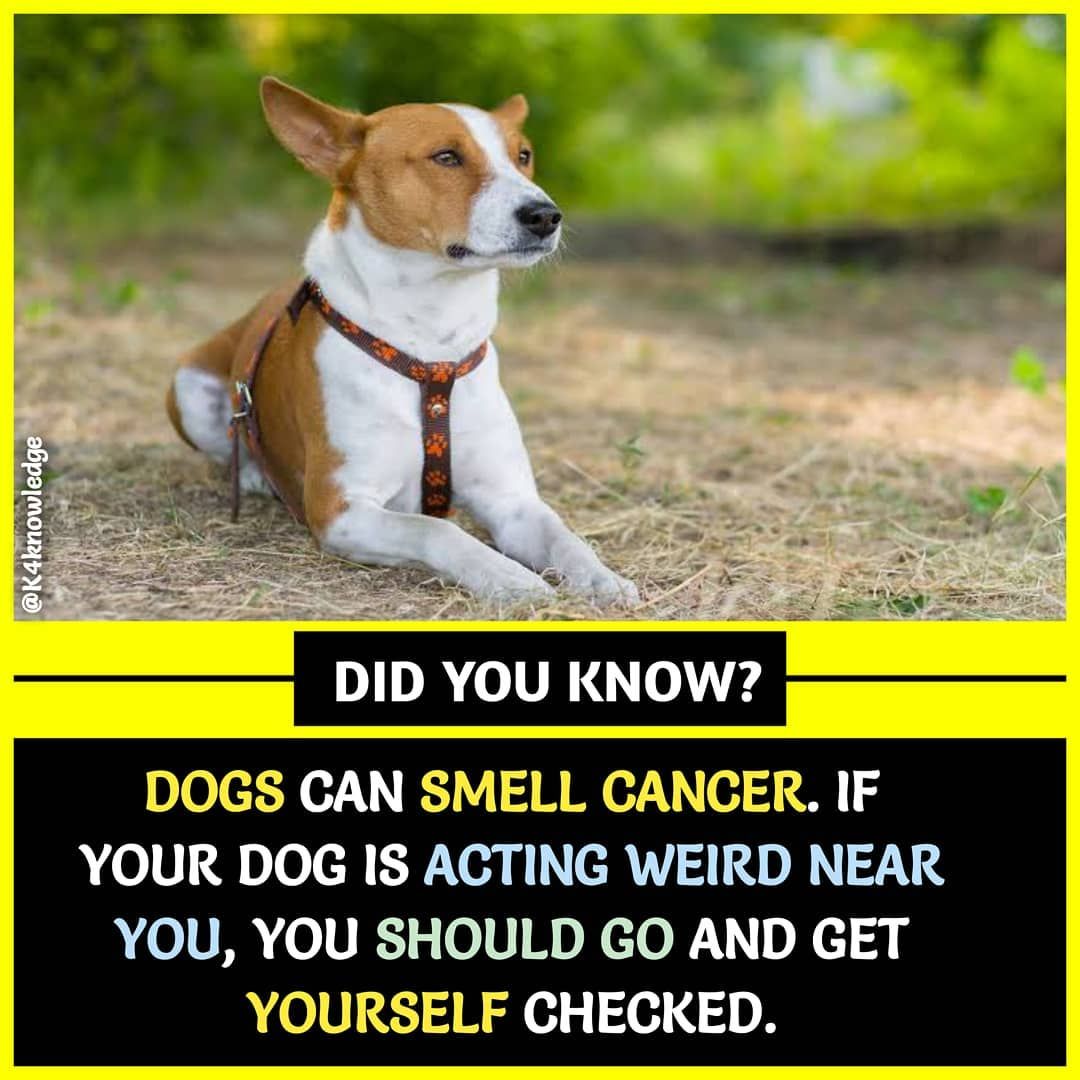

Can Dogs Smell Disease? The Science Behind Canine Scent Detection
For thousands of years, dogs have been recognized as humans’ most loyal companions. Beyond their companionship and protective instincts, dogs possess physical senses that far exceed human capabilities. In recent decades, medical researchers, scientific institutions, and healthcare professionals have turned their attention toward one of the canine world’s most impressive traits: an extraordinary sense of smell.
Scientific studies indicate that a dog’s olfactory system is so sensitive that it can detect microscopic biological changes, including volatile organic compounds associated with serious health conditions like cancer, diabetes, and infectious diseases.
How the Canine Olfactory System Works
To understand how dogs detect subtle chemical changes in the human body, it is essential to look at the underlying biology. While humans rely primarily on vision to navigate the world, dogs experience their environment predominantly through smell.
A dog’s nose contains up to 300 million olfactory receptors, compared to approximately 6 million in a human nose. Additionally, the brain region dedicated to analyzing smells is proportionally 40 times larger in dogs than in humans.
Key Biological Differences:
-
Higher Sensitivity: Dogs can detect chemical compounds at concentrations of parts per trillion, equivalent to detecting a single drop of a substance in an Olympic-sized swimming pool.
-
Dual Air Pathways: A dog’s nose separates airflow between breathing and smelling, allowing them to collect scent molecules continuously even while exhaling.
-
Vomeronasal Organ: Also known as Jacobson’s organ, this specialized structure helps detect chemical signals, pheromones, and subtle metabolic changes.
Scientific Evidence: Detecting Health Conditions Through Scent
When metabolic processes in the human body alter due to illness, cellular activity changes. These changes produce unique metabolic byproducts known as volatile organic compounds (VOCs). These compounds are released through skin, breath, sweat, and urine.
Cancer Detection Research
Numerous clinical trials have evaluated whether dogs can identify malignant tissue. In controlled laboratory environments, specially trained medical detection dogs have demonstrated remarkable accuracy in sniffing out various conditions:
-
Melanoma and Skin Lesions: Studies show dogs can detect skin changes simply by sniffing affected areas directly.
-
Lung and Breast Conditions: Research has demonstrated that trained dogs can identify specific VOCs in samples of human breath.
-
Prostate and Bladder Issues: Detection dogs trained on urine samples have achieved high accuracy rates in recognizing specific markers.
While these study results are promising, medical professionals emphasize that dogs are not formal diagnostic tools. Instead, their abilities highlight the potential of developing biomimetic technology, such as electronic sensors, that replicate canine olfactory precision.
Unusual Dog Behaviors: What Does It Mean When Your Pet Acts Strangely?
Pet owners frequently share anecdotes about dogs displaying unusual behaviors—such as persistent sniffing, pawing, licking a specific spot, or acting overly anxious—shortly before a medical issue is diagnosed.
While sudden behavioral changes can sometimes reflect environmental stress or changes in home routine, persistent shifts in pet behavior warrant attention.
Common Signs Your Dog May Be Responding to Health Changes:
-
Targeted Nudging or Sniffing: Repeatedly focusing on a specific area of your body, such as a mole, joint, or abdomen.
-
Clinginess or Guarding: Becoming unusually protective or refusing to leave your side.
-
Whining or Agitation: Exhibiting unprovoked distress when sitting near you.
If your pet suddenly displays persistent, abnormal behaviors focused on a specific part of your body, it is always a good idea to schedule a routine medical evaluation. Early detection in healthcare often yields the best long-term outcomes, making proactive medical consultations a smart practice regardless of the trigger.
Medical Service Dogs: Beyond Scent Detection
In modern health and legal frameworks, trained service animals provide vital assistance to individuals managing chronic conditions. Beyond laboratory scent detection, specialized service dogs perform lifesaving duties daily.
Types of Medical Alert Dogs:
-
Diabetic Alert Dogs: Trained to detect subtle changes in blood sugar levels via sweat and breath, alerting their owners to dangerous spikes or drops before symptoms appear.
-
Seizure Response Dogs: Trained to assist individuals before, during, or after a seizure, often providing comfort, alerting family members, or pressing emergency alarm buttons.
-
Allergy Alert Dogs: Trained to detect trace amounts of severe allergens like peanuts, helping prevent life-threatening anaphylactic reactions in children and adults.
These specialized service dogs require extensive training, certification, and ongoing care, representing a significant investment in personal health, safety, and independence.
Practical Tips for Health-Conscious Pet Owners
-
Pay Attention to Sudden Changes: Track any persistent behavioral shifts in your pet that seem directed toward your physical wellbeing.
-
Prioritize Regular Health Checkups: Use your pet’s behavior as a gentle reminder to stay up to date on annual medical examinations and preventive screenings.
-
Support Canine Wellness: Ensure your dog receives proper nutrition, routine veterinary care, and mental stimulation to keep their natural senses sharp and healthy.
-
Consult Healthcare Professionals First: Remember that while pets are highly perceptive, medical diagnostics should always be performed by qualified healthcare providers, laboratory tests, and imaging procedures.
Conclusion
The connection between human health and animal perception highlights the amazing complexity of nature. While a dog’s behavioral reaction should never replace professional medical diagnostics, their incredible capacity to detect subtle physiological changes serves as a powerful reminder of how interconnected we are with our environment. Listening to our bodies—and paying attention to the quiet signals from our pet companions—can encourage a proactive, health-conscious lifestyle.
Frequently Asked Questions (FAQ)
Can dogs actually smell serious health conditions like cancer?
Yes, scientific studies show that trained dogs can detect volatile organic compounds (VOCs) released by altered metabolic processes associated with various conditions, including certain forms of cancer.
Should I go to the doctor if my dog starts sniffing a specific spot on my body?
While a dog’s behavior is not a definitive diagnosis, persistent, unusual focus on a specific area of your body can be a helpful reminder to schedule a routine health checkup with a licensed healthcare professional.
How do diabetic alert dogs know when blood sugar drops?
Diabetic alert dogs are trained to recognize tiny chemical changes in human sweat and breath that occur when blood sugar levels rise or fall outside of normal ranges.
Can any dog smell illness, or do they need special training?
While many household dogs have the natural olfactory ability to detect subtle odor changes, specialized training is required for a dog to reliably alert individuals to specific medical conditions or laboratory samples.