
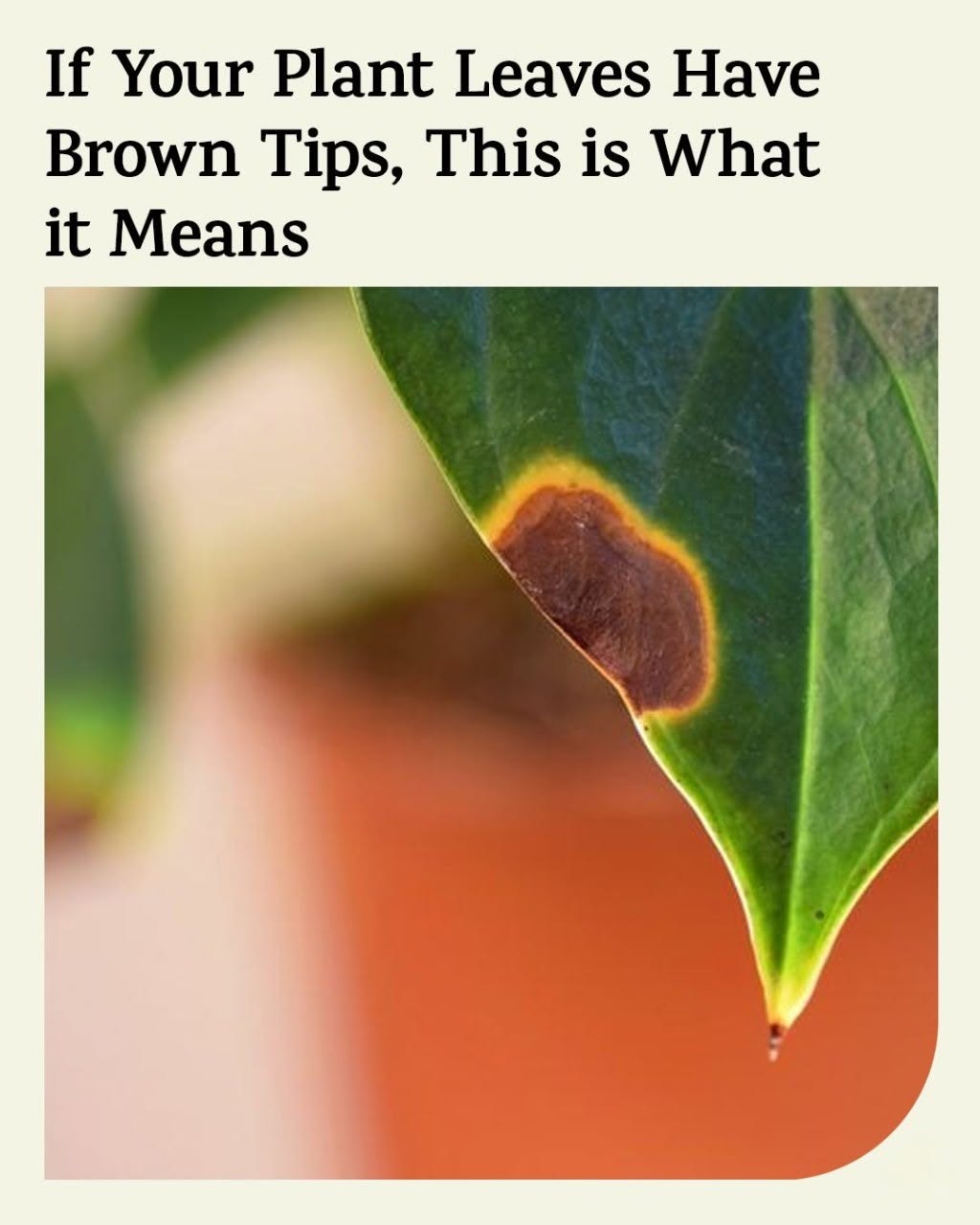


From a distance, it looked great. Lots of foliage and “pups” hanging down. Looking at it closer I noticed a lot of spider plant brown tips on the leaves.
Why Do Plant Leaves Turn Brown?
Growers don’t seem to have the same problem with brown leaf tips while growing the plants. Alarm bells could be ringing when you spot brown tips on plants.
What is different from the growing end and moving indoors?
When the plant moves inside, it will have some stress. Some stress from reduced lighting (additional indoor lighting helps) and the plant acclimating. But, one answer may not seem quite so obvious.
What Is It? – Water
Water is water – right?
Not so fast. Let’s take a quick look at the differences between the water a grower uses and the water most people use on their plants at home.

Growers Water
Continue reading on the next page →
To see the full cooking instructions, go to the next page or click the Open button (>) and don’t forget to SHARE it with your friends on Facebook.
Most growers (producing indoor houseplants) have wells with electric or diesel pumps. The pumps draw water directly from the ground or soil.
Unlike the water found in most cities, this water hasn’t been treated by the local water treatment plant.
Some growers are beginning to collect and “clean” water before using it on their plants.
I did not say to add chemicals but to clean the water. They are doing this through REVERSE OSMOSIS.

Water is pumped through a fine screen. The screen is fine enough to allow water molecules to pass but stop dissolved solids, such as salts (fertilizer) and other chemicals.
This “clean” water helps growers produce plants with fewer problems with disease and cleaner foliage.
Homeowner or City Water
Continue reading on the next page →
To see the full cooking instructions, go to the next page or click the Open button (>) and don’t forget to SHARE it with your friends on Facebook.
Tap water or city water is different. The water from your kitchen faucet has most likely been treated.
Years ago, cities began to add chlorine and fluoride to the water supply. Fluoride may be fine for your teeth, but many indoor plants are not fond of it.
Lynn Griffith from A & L Labs states:
“Fluoridated city water usually has 1 ppm (parts per million) of fluoride, four times the amount considered safe for sensitive plants.”
Don’t get the idea that if you water your plants with water from the kitchen they will die. What does this have to do with brown edges on leaves on your plants anyway?
Over time some of these minor chemicals, such as boron and fluoride, build up in the leaves.
This buildup shows itself as brown plant leaves on plants or tip burn on Dracaenas, and spider plants. Spathiphyllums – the Peace Lily plant show distorted or yellow leaves with high boron.

Photo Credit: @PlantCareToday.com
There are other reasons for brown tips on indoor plants:
Continue reading on the next page →
To see the full cooking instructions, go to the next page or click the Open button (>) and don’t forget to SHARE it with your friends on Facebook.
- Plant pests such as spider mites and other pests
- Too much fertilizer
- Too much water leads to plant root rot
- Not enough water
- Chemical burn
- Plant diseases such as powdery mildew, bacterial leaf spot, and fungal diseases.
- Too much of direct sunlight
- Bad air circulation
- Not having enough nutrients (calcium deficiency, magnesium deficiency, iron deficiency, phosphorus deficiency
Using good water on your plants is a great way to start.

How Can You Get Good Water?
The easiest way to help yourself get “good” or “better” water for your plants is by filling up a container with water from the sink and letting it sit overnight. This will allow at least the chlorine to dissipate.
Many people use distilled water because it lacks the chemicals found in tap water.
Professional plantscapers must deal with using and moving water around all the time. Some of them have no problems; others, it’s a battle.
If you face plants with brown tips, try setting out some water the night before you water.
Helping to stop the possible headache of brown spots caused by chlorine and fluoride is just one more way for you to enjoy your plants more.
To see the full cooking instructions, go to the next page or click the Open button (>) and don’t forget to SHARE it with your friends on Facebook.