
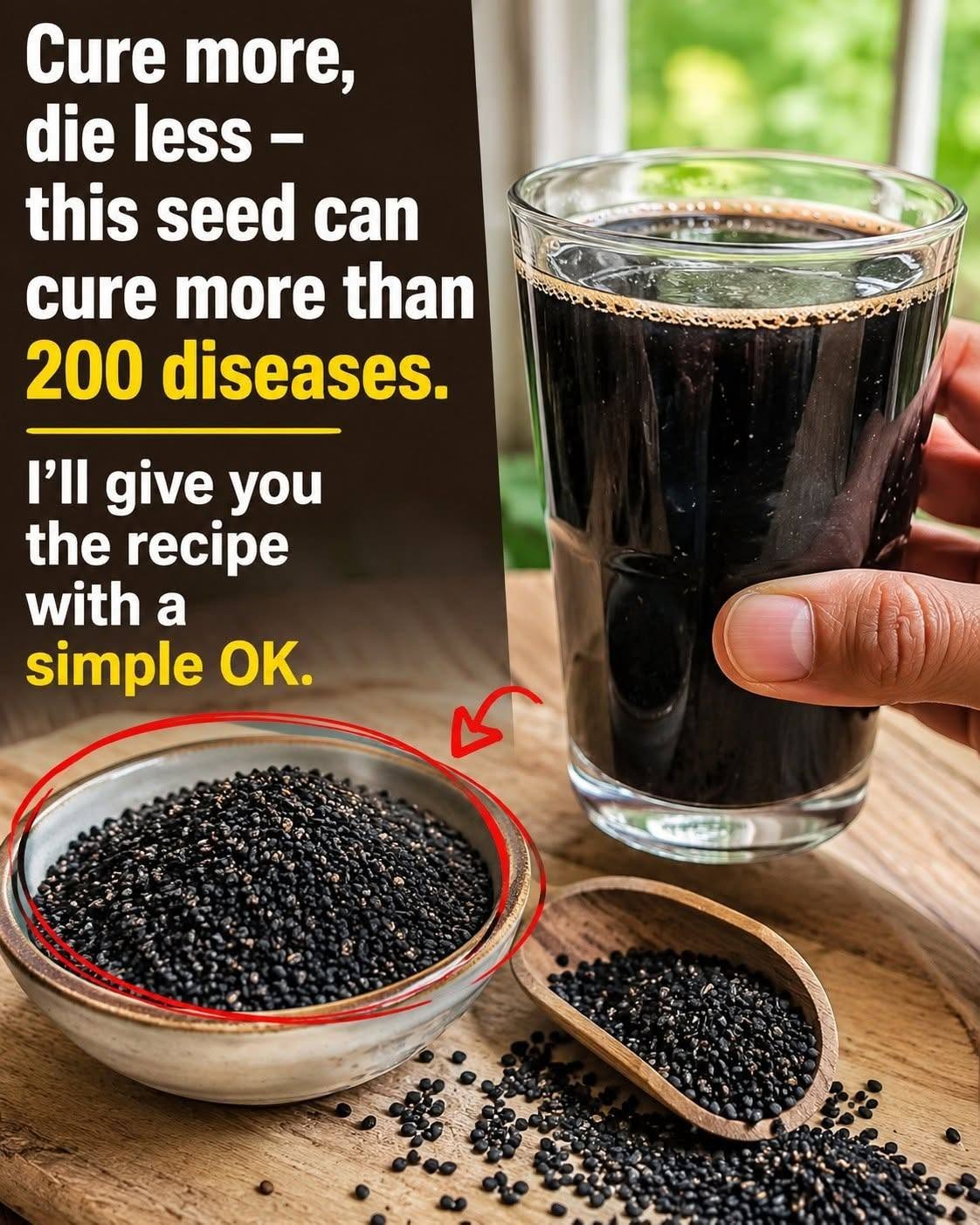

Black Seeds, Herbal Tea Infusions, and Bioactive Pharmacology: Thymoquinone, Evidence-Based Medicine, and Cure-All ClaimsViral graphics promising that a single botanical seed can cure hundreds of severe medical conditions remain widely circulating engagement drivers on social media platforms. Featuring a glass of dark seed tea alongside bowls and scoops of raw black seeds (Nigella sativa or black cumin), overlaid with bold text reading “Cure more, die less – this seed can cure more than 200 diseases. I’ll give you the recipe with a simple OK”, this post targets users seeking accessible, natural wellness remedies.While black seed (Nigella sativa) contains well-documented bioactive compounds with antioxidant and anti-inflammatory properties, claiming that brewing or consuming black seeds can “cure more than 200 diseases” directly contradicts clinical pharmacology and evidence-based medicine.In this comprehensive guide, we evaluate the real pharmacological mechanisms of black seed tea and oil, separate verified physiological benefits from exaggerated claims, and deconstruct the comment-bait strategy used in medical clickbait.Deconstructing Herbal Infusions: Bioactive Extraction vs. Miracle Cure ClaimsUnderstanding how plant phytochemicals function when brewed into liquids clarifies what botanical teas can realistically accomplish: [ BLACK SEED LIQUID PHARMACOLOGY ]
[ BIOACTIVE EXTRACT (THYMOQUINONE) ] [ EXAGGERATED “CURE-ALL” CLAIMS ]
• Potent antioxidant & anti-inflammatory phytochemical • Claims to eradicate 200+ distinct pathologies
• Poor water solubility (requires lipophilic vehicle) • Misleads patients away from essential medicine
• Provides modest metabolic & circulatory support • Employs “Comment OK” to manipulate post reach
1. The Chemistry of Black Seed Tea and ExtractThymoquinone Solubility: The primary bioactive constituent in Nigella sativa responsible for its antioxidant and anti-inflammatory activity is thymoquinone (TQ). However, thymoquinone is a lipophilic (fat-soluble) compound with limited solubility in plain hot water. Brewing raw seeds as a tea yields significantly lower concentrations of active TQ compared to standardized cold-pressed oils or concentrated extracts.Evidence-Based Physiological Benefits: Regular consumption of black seed preparations supports modest health markers, including aiding glycemic control, improving lipid profiles (reducing LDL cholesterol and triglycerides), and mitigating systemic oxidative stress when used as a complementary dietary addition.The Fallacy of the Universal Cure: No botanical ingredient or herbal tea acts as a panacea capable of curing hundreds of biologically distinct, complex diseases (such as advanced infections, genetic disorders, or metabolic conditions).2. Deconstructing the “Reply OK” Engagement ModelAlgorithmic Manipulation: Prompts instructing viewers to “Reply OK for the recipe” trick social media platform algorithms. Spiking the comment section signals high user interaction, artificially boosting the post’s viral distribution across feeds.The “Secret Recipe” Mirage: The promised “recipe” typically leads users to affiliate marketing sites, generic herbal tea instructions, or sales pages selling unverified dietary supplements.