


Cucumbers: Health Benefits, Nutritional Profile, and Special Dietary Considerations
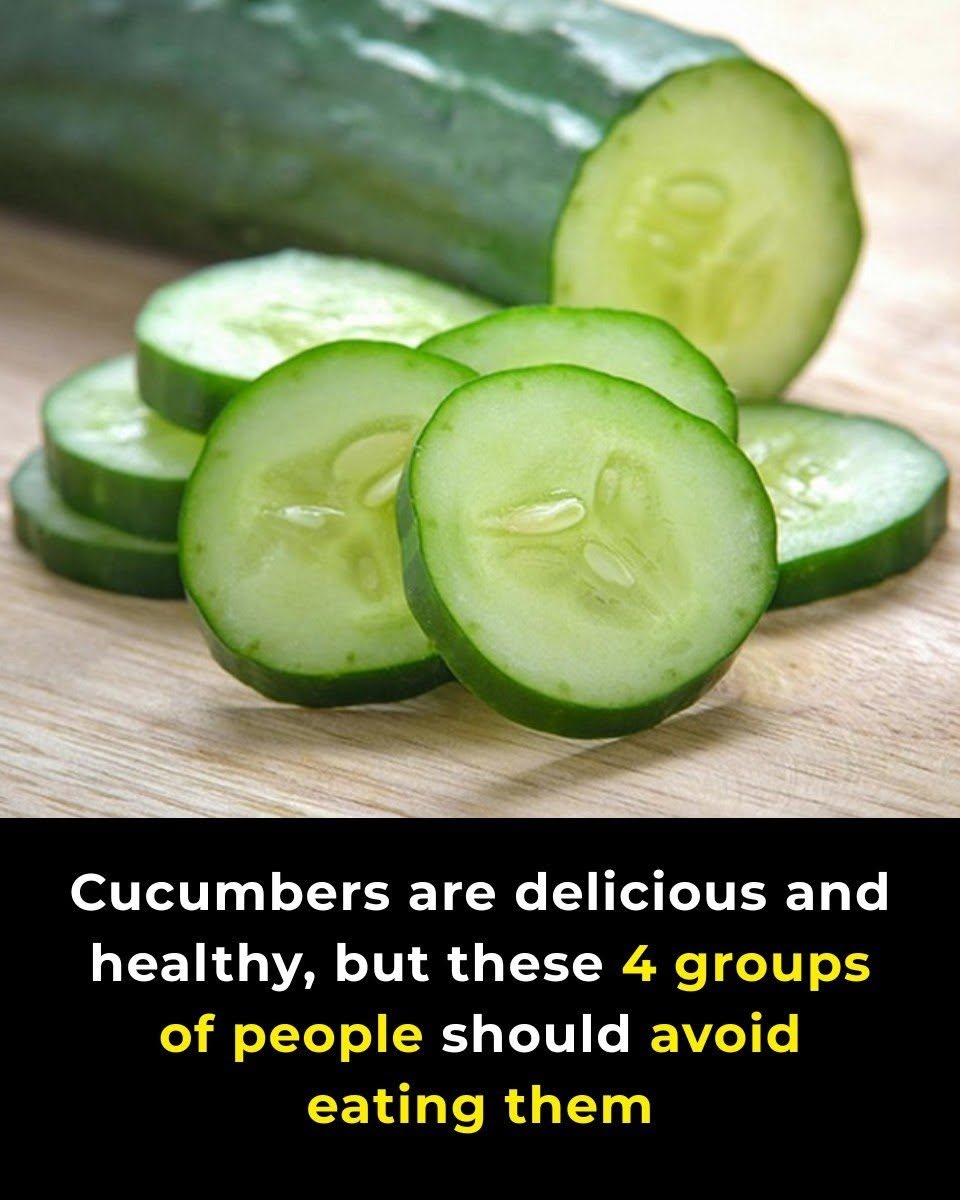
Cucumbers (Cucumis sativus) are among the most popular and widely cultivated vegetables in the world. Composed of approximately 96% water, they are celebrated for their hydrating properties, low calorie count, and crisp texture.
While cucumbers are an excellent addition to a balanced, healthy diet for the vast majority of people, certain individuals may need to moderate their intake or prepare them specifically to avoid digestive or health complications.
Below, we examine the health benefits of cucumbers, key dietary considerations for specific health conditions, and simple ways to enjoy them safely!
The Nutritional Profile of Fresh Cucumbers
Cucumbers are packed with essential vitamins, minerals, and dietary antioxidants while remaining very low in calories.
Key Nutrients (Per 100g serving):
-
Water Content: ~96% (excellent for natural hydration)
-
Vitamin K: Provides essential support for blood clotting and bone health.
-
Potassium: An important electrolyte that aids in blood pressure regulation and fluid balance.
-
Antioxidants: Contains flavonoids and tannins, which help combat oxidative stress.
4 Groups of People Who May Need to Exercise Caution
While cucumbers are generally safe and nutritious, specific health conditions or sensitivities can cause adverse reactions:
1. Individuals with Sensitive Digestion or IBS
Cucumbers contain cucurbitacin, a naturally occurring compound responsible for the slight bitterness sometimes found in cucumbers. In sensitive individuals or those with Irritable Bowel Syndrome (IBS), cucurbitacin can lead to indigestion, bloating, intestinal gas, or abdominal cramps.
-
Tip: Peeling the skin or choosing seedless “burpless” cucumber varieties can significantly reduce gas and digestive discomfort.
2. People Taking Blood Thinners (e.g., Warfarin)
Cucumbers—especially their dark green skins—are a moderate source of Vitamin K, which plays a vital role in blood coagulation.
-
Consideration: Individuals on anticoagulant medications like Warfarin (Coumadin) need to maintain a consistent daily intake of Vitamin K. Drastic spikes or drops in green vegetable consumption can interfere with medication efficacy.
3. Individuals with Specific Food Allergies
Although rare, oral allergy syndrome (OAS) or ragweed allergies can trigger cross-reactivity with cucumbers.
-
Symptoms: Mild swelling, tingling, or itching around the mouth, lips, or throat after eating raw cucumber.
4. People with Chronic Kidney Disease (CKD) on Potassium Restrictions
Cucumbers contain moderate amounts of potassium and high water content. For individuals with advanced kidney disease who require strict fluid or potassium restrictions, consuming large quantities of raw cucumbers or cucumber juice should be monitored alongside a renal dietitian.
Health Benefits of Adding Cucumbers to Your Daily Routine
| Benefit | How It Works |
| Optimal Hydration | High water content helps meet daily fluid requirements naturally. |
| Weight Management | Low in calories (~15 kcal per cup), making them a great volume-dense snack. |
| Skin Health | Contains silica and anti-inflammatory antioxidants beneficial for skin appearance. |
| Blood Pressure Support | Potassium content helps balance sodium levels in the body. |
How to Enjoy Cucumbers Comfortably
-
Peel and Seed: Removing the outer dark skin and scooping out the seeds removes most of the cucurbitacin and tough insoluble fiber.
-
Lightly Ferment or Pickle: Quick-pickling or lightly salting sliced cucumbers breaks down tough compounds, making them easier on sensitive stomachs.
-
Opt for Burpless Varieties: English cucumbers, Persian cucumbers, and mini varieties are naturally lower in bitter compounds.
Conclusion
For most healthy adults, cucumbers are a delicious, hydrating, and vitamin-rich food that supports healthy digestion and overall well-being. By understanding how your body responds and making small adjustments in preparation, you can enjoy all the crisp benefits cucumbers have to offer!
Frequently Asked Questions (FAQ)
What makes cucumbers taste bitter sometimes?
Bitterness in cucumbers is caused by cucurbitacins, natural defense compounds produced by the plant, usually concentrated near the stem end and skin.
Is it better to eat cucumbers with or without the skin?
The skin contains the highest concentration of fiber, Vitamin K, and antioxidants. However, if you experience gas, indigestion, or wish to lower Vitamin K intake, peeling the cucumber is recommended!