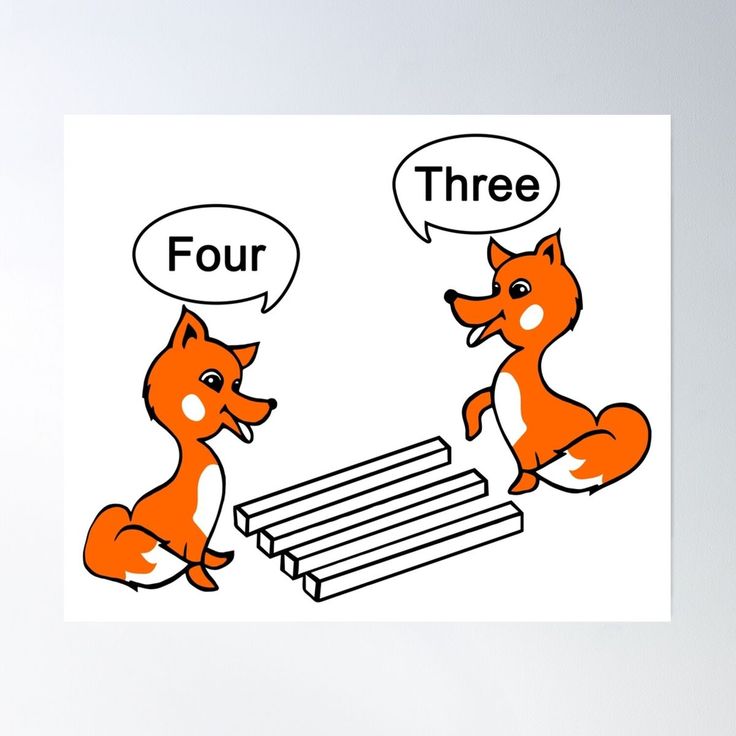




Motherhood is often described as one of the most rewarding journeys in life, but it can also be emotionally exhausting—especially when a child appears ungrateful, distant, or dismissive. When a child seems to not value their mother’s constant support and sacrifices, it leaves parents feeling deeply hurt, burnt out, and confused.
In child psychology and family therapy, this dynamic is rarely as simple as a child “not caring.” More often, it reflects complex emotional development, blurred boundaries, or subconscious attachment styles.
Below, we explore the primary psychological reasons behind this behavior and actionable ways to rebuild a relationship based on mutual respect.
5 Psychological Reasons Children May Seem to Undervalue Their Mothers
1. The “Safe Haven” Effect (Unconditional Security)
Paradoxically, children often vent their frustration or express less formal gratitude toward the person they feel safest with. Because a mother’s love is perceived as completely unconditional, a child feels safe taking that emotional foundation for granted—knowing she won’t abandon them regardless of their mood or behavior.
2. Lack of Firm Personal Boundaries
When mothers continually over-deliver, over-sacrifice, and neglect their own needs to keep peace, children subconsciously learn to view their mother strictly as a service provider rather than an individual with distinct boundaries, feelings, and limits.
3. Normal Developmental Independence (Individuation)
During adolescence and young adulthood, children go through a necessary psychological phase called individuation. To forge their own separate identity, they often push away emotional intimacy or criticize their parents as an unconscious defense mechanism to establish independence.
4. Over-Parenting and Enmeshment
When parents step in to solve every minor problem or anticipate every need before a child asks, the child loses the opportunity to recognize effort and experience helpful friction. Growth and gratitude require space to appreciate what is being done for them.
5. Unspoken Resentment or Communication Gaps
Sometimes apparent ungratefulness is actually masked resentment over past misunderstandings, emotional disconnects, or differing communication styles across generations.
Practical Ways to Rebuild Respect and Appreciation
-
Establish Loving Boundaries: Stop over-functioning for capable children. Allow them to take age-appropriate responsibility for their tasks and experience the natural consequences of their choices.
-
Model Self-Respect and Self-Care: Prioritize your own well-being, personal interests, and health. Children naturally learn to respect adults who demonstrate clear self-respect.
-
Shift from Lecturing to Active Listening: Create neutral spaces where your child can share their thoughts without feeling judged or immediately corrected.
-
Acknowledge Positive Behaviors: Notice and praise small moments of thoughtfulness or helpfulness, reinforcing positive emotional patterns within the family.
Conclusion
When a child takes their mother for granted, it is usually a sign that family dynamics need recalibrating—not that love is absent. By establishing healthy boundaries, modeling self-worth, and fostering open dialogue, you can guide your parent-child relationship toward lasting appreciation and deep mutual respect!
Frequently Asked Questions (FAQ)
Is it normal for teenagers to act distant or ungrateful?
Yes. Brain development during adolescence prioritizes peer connections and self-reliance, which frequently manifests as temporary emotional distance or pushback toward primary caregivers.
When should a family seek professional support?
If disrespectful behavior escalates into persistent hostility, verbal abuse, or total emotional detachment that impacts household safety and peace, working with a licensed family counselor can provide structured guidance to heal communication.