


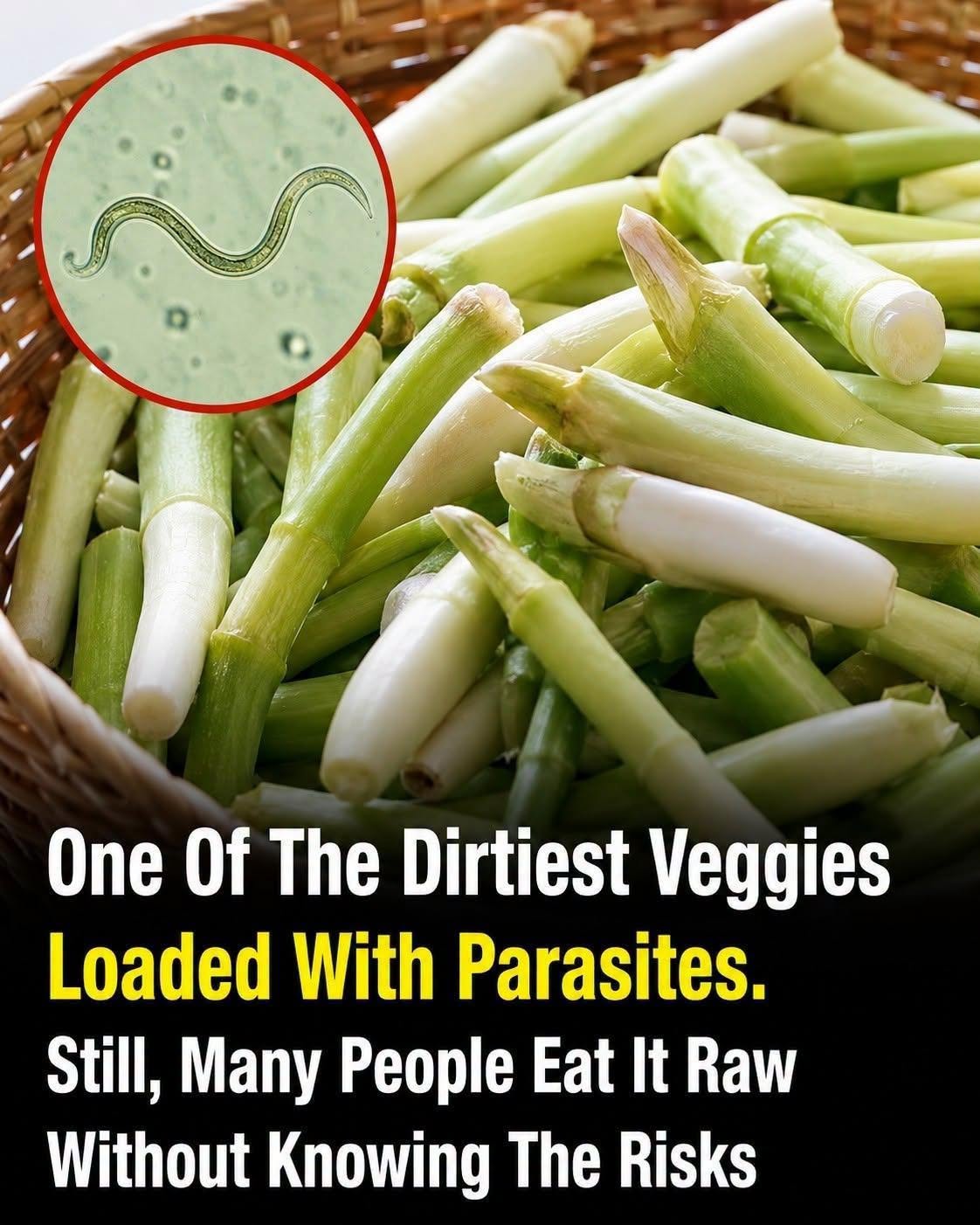
Oh, my dear friend, this is such an important topic! You know, I was just chopping up a beautiful bunch of green onions the other day for my 3-Ingredient Avocado & White Bean Smash, and it made me pause. We all love that fresh, bright, peppery crunch they add to our dishes, but I’ve been reading up on the hidden risks of eating them raw.
At 73, living alone and being incredibly proactive about my health—especially keeping a close eye on my circulation, trying to understand those sudden, unexplained purple blotches on my arms, and doing everything I can to prevent inflammation and protect my gut—I’ve learned that we have to be smart about how we prepare our fresh produce.
So, I put the kettle on, grabbed my favorite mug of ginger tea, and looked into the actual science behind green onion safety.
Grab your apron, because we’re about to uncover the truth about those leafy green tubes and how to enjoy them safely!
The “Kitchen Science” of the Risk: Why Green Onions?
When food safety experts look at raw green onions (also known as scallions), they see a few unique characteristics that make them a bit more vulnerable to contamination than other vegetables:
1. The “Hollow Tube” Trap
Green onions grow as hollow, tubular stalks. As they push up through the soil, dirt, tiny insects, and microscopic bacteria (like Salmonella, E. coli, or the parasite Cyclospora) can easily get trapped inside the hollow layers. A quick, lazy rinse under the tap often isn’t enough to flush out what’s hiding deep inside the stalk.
2. Close to the Soil
Unlike fruits that grow high up on trees, green onions grow right at ground level. This means they are in direct contact with soil and irrigation water, which can sometimes be contaminated by agricultural runoff or wildlife.
3. Eaten Raw
The biggest risk factor is simply that we usually eat them raw! Cooking kills harmful bacteria and parasites, but when we sprinkle raw green onions on top of a salad, soup, or baked potato, any hidden microbes get a free pass right into our digestive systems.
The Health Connection: Why This Matters for Your Body
SEE NEXT PAGE >>>
To see the full cooking instructions, go to the next page or click the Open button (>) and don’t forget to SHARE it with your friends on Facebook.
The Health Connection: Why This Matters for Your Body
You might be thinking, “I’ve eaten raw green onions my whole life and been fine!” And that’s often true! A healthy immune system can usually handle minor exposures.
However, as we gracefully move through our 70s, our immune systems naturally become a bit more sensitive. A foodborne illness that might give a younger person a mild stomach ache can cause severe dehydration and systemic inflammation in an older adult. And as we know, systemic inflammation is the absolute last thing we want when we are trying to keep our blood vessels flexible, our blood pressure steady, and those unexplained purple blotches on our arms at bay! Protecting our gut health is directly tied to protecting our overall circulation.
How to Eat Green Onions Safely: My 4-Step “Farmhouse Fresh” Method
Don’t panic! You don’t need to banish green onions from your kitchen. You just need to handle them with a little extra intention. Here is my foolproof, science-backed method:
Step 1: The “Swish and Rinse” (Friction is Key!)
Don’t just hold them under a gentle stream of water. Fill a large bowl with cool, clean water. Submerge the green onions and vigorously “swish” them around with your hands. This agitation helps dislodge dirt and microbes from both the outside and the inside of the hollow tubes. Lift them out of the water (leaving the dirt at the bottom of the bowl), and give them a final rinse under running water while rubbing the stalks gently with your fingers.
Step 2: Trim the Extremes
Always cut off and discard the root end (the hairy white part) and the very top of the dark green leaves. These areas are the most likely to harbor trapped soil and bacteria.
Step 3: Dry Them Thoroughly
Bacteria love moisture! After washing, pat the green onions completely dry with a clean paper towel or a dedicated kitchen cloth before chopping them.
Step 4: Store Them Correctly
Wrap the dry green onions in a slightly damp paper towel, place them in a reusable produce bag or airtight container, and store them in the crisper drawer of your fridge. They will stay crisp and safe for up to two weeks!
The “Avocado Lover’s” Safe Twist: Lightly Sautéed Green Onions!
SEE NEXT PAGE >>>
To see the full cooking instructions, go to the next page or click the Open button (>) and don’t forget to SHARE it with your friends on Facebook.