

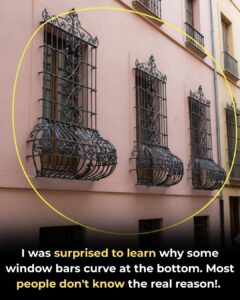
Why Do Some Window Bars Curve at the Bottom? The Architectural Secret Explained
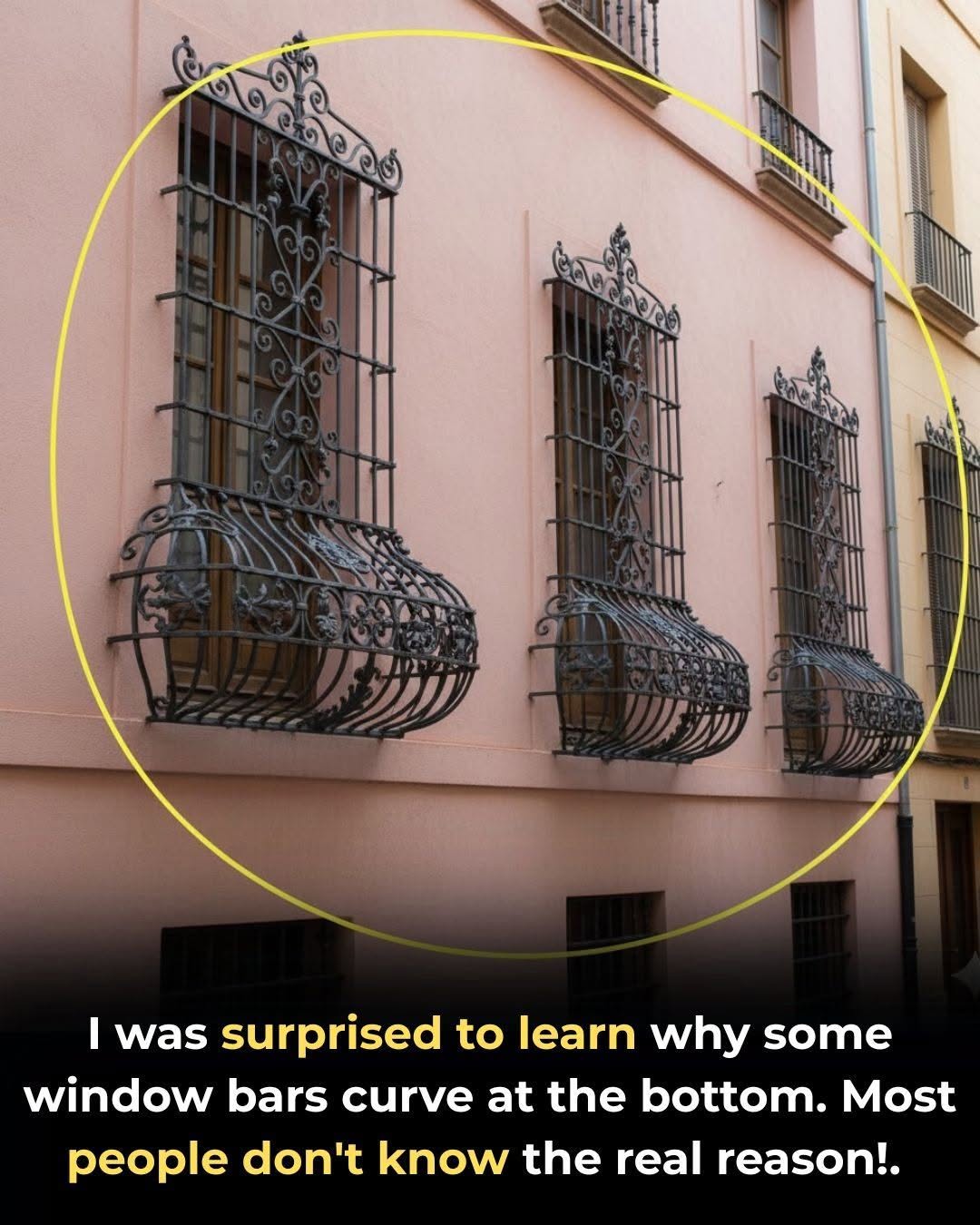
If you’ve ever walked through historical cities in Spain, Italy, Mexico, or the Mediterranean, you have likely noticed intricate wrought-iron window grilles featuring a prominent outward curve at the bottom.
In architecture, these unique window security bars are often referred to as belly grilles, curved rejas, or in Spanish, rejas panzudas (“pot-bellied grilles”).
While many people assume the bulging shape is purely a decorative art style, the curve actually serves several clever functional and historical purposes!
Below, we explore the history, practical benefits, and cultural significance behind this classic architectural feature.
1. Accommodating Window Plants and Flower Boxes
One of the primary practical reasons for the outward curve is to create extra horizontal space outside the window frame:
-
Potted Plants & Herbs: The outward bulge forms a mini shelf or ledge where homeowners can place flower pots, fresh herbs, or window boxes without taking up interior space.
-
Sunlight Exposure: Extending plants slightly outward allows them to capture more sunlight along narrow city streets.
2. Unobstructed Views and Fresh Air
Standard flat security bars can feel claustrophobic and make looking down at the street awkward.
-
Leaning Out Safely: The curved base allows residents inside to lean forward slightly and look down at the street below without pressing their faces directly against flat bars.
-
Air Circulation: Opening full-length wooden shutters or window panes inward is much easier when there is extra clearance at the base for ventilation.
3. The Cultural Tradition of “Talking Through the Window”
In historic Spanish and Mediterranean culture, these curved grilles played a charming role in social courtship:
-
Courtship (Pelar la Pava): Historically, young women inside the home could speak with suitors standing outside on the street.
-
Comfortable Closeness: The outward curve provided a comfortable space to lean out, converse, or pass small notes while maintaining privacy and home security.
Architectural Comparison Table
| Feature | Flat Window Bars | Curved “Belly” Grilles (Rejas Panzudas) |
| Primary Focus | Basic security & deterrence | Security + practical functionality |
| Plant Space | None (requires external brackets) | Built-in ledge for pots and planters |
| Street Sightlines | Restricted vertical viewing | Easy downward street view |
| Airflow & Space | Flat against window frame | Expands outward volume for openness |
Conclusion
What looks like a simple ornate embellishment is actually a brilliant combination of Spanish craftsmanship, practical urban gardening, improved airflow, and cultural tradition! Next time you spot these “pot-bellied” wrought-iron grilles on historic buildings, you’ll know the fascinating history behind their shape.
Frequently Asked Questions (FAQ)
What are curved window bars called in Spanish architecture?
They are most commonly known as rejas panzudas (pot-bellied grilles) or rejas de pecho (chest grilles) due to their outward swelling shape.
Are curved window grilles still used today?
Yes! While historically hand-forged by blacksmiths, modern architects and restoration projects still install curved security grilles to maintain historic charm and provide space for window planters.