

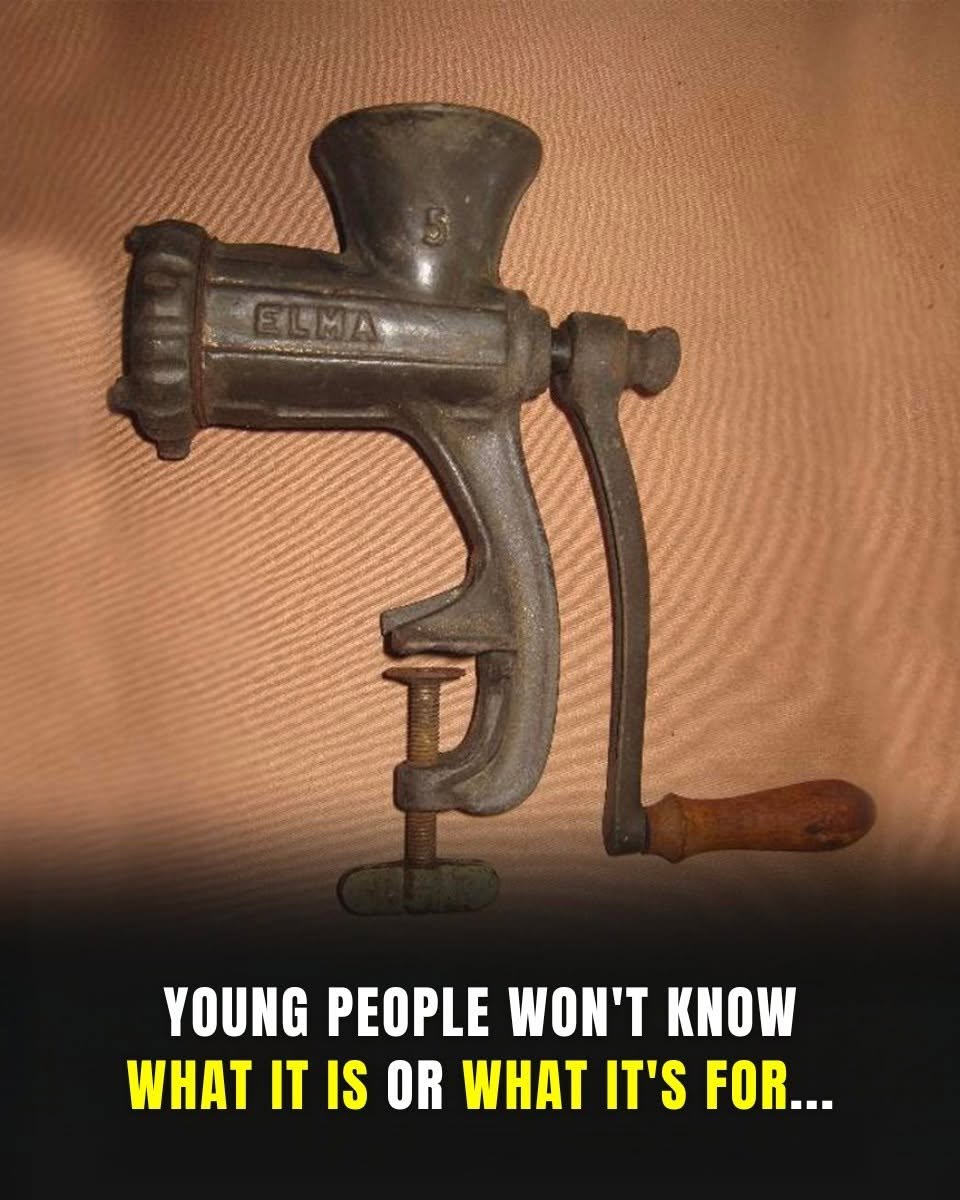


The Vintage Hand-Crank Meat Grinder: History, Mechanics, and Care Guide
Before the advent of modern electric food processors and pre-packaged ground meat at local supermarkets, preparing fresh ground meat was a daily, hands-on kitchen task.
Central to mid-century and antique kitchens worldwide was the cast-iron hand-crank meat grinder (also known as a meat mincer). Brands like ELMA (a renowned Spanish hardware manufacturer established in the 1920s), Enterprise, and Universal produced millions of these durable, heavy-duty kitchen devices.
Below, we break down how hand-crank meat grinders work, their history, and how to clean and restore them for modern culinary use!
How Does a Hand-Crank Meat Grinder Work?
Despite its simple, non-electric design, an antique cast-iron meat grinder relies on efficient mechanical engineering to process meat quickly:
1. Countertop Clamp Base
The bottom of the grinder features a sturdy C-clamp mechanism that secures the unit firmly to the edge of a sturdy wooden table or kitchen countertop to prevent slipping during operation.
2. The Hopper and Feed Screw (Auger)
Cubed meat is placed into the top funnel (the hopper). Turning the hand crank rotates an internal spiral metal shaft called an auger or feed screw. The auger pushes the meat forward toward the cutting assembly.
3. The Star Blade and Extrusion Plate
At the front end, the meat is forced through a sharp star-shaped rotating blade and pressed through a stationary metal disk (extrusion plate) perforated with small holes, yielding consistently ground meat or mince.
What Were Vintage Meat Grinders Used For?
While primarily designed for grinding beef, pork, poultry, and game, traditional home cooks utilized these versatile kitchen workhorses for far more:
-
Sausage Making: Attaching a funnel horn to the nozzle allowed cooks to stuff homemade sausage casings easily.
-
Mincing Vegetables and Nuts: Used to grind onions, herbs, nuts, and dried fruit for traditional spreads, relishes, and holiday fruitcakes.
-
Pastry & Cookie Making: In many European traditions, specialty star-shaped extrusion plates were attached to press out long ribbons of butter cookie dough (Spritzgebäck or churros).
Guide to Grinder Maintenance and Restoration
| Step | Action | Best Practice |
| Cleaning | Hand-wash only | Dismantle fully; wash with warm water and mild dish soap |
| Drying | Prevent flash rust | Dry immediately with a towel; place in a warm oven for 5 minutes |
| Oiling | Protect iron components | Coat all metal parts lightly with food-grade mineral oil or vegetable oil |
| Sharpening | Maintain clean cutting action | Rub the flat side of the cross blade against fine-grit sandpaper |
Conclusion
The vintage hand-crank meat grinder stands as a testament to durable, long-lasting industrial design. Whether displayed as a nostalgic piece of vintage kitchen decor or put to work making artisanal sausages, these cast-iron classics remain as functional today as they were a century ago!
Frequently Asked Questions (FAQ)
Why is there a number stamped on the grinder (e.g., #5, #8, #10, #12)?
The number stamped on the body (such as the “5” seen on ELMA models) indicates the standard sizing of the grinder’s front plate and throat opening, helping users identify matching replacement blades and sausage-stuffing attachments.
How do you remove rust from an old cast-iron meat grinder?
Soak the disassembled iron components in a $1:1$ solution of white vinegar and water for $30$ to $60$ minutes, scrub away rust spots with fine steel wool, wash thoroughly, dry completely, and season immediately with food-safe mineral oil.