

The Legendary 12-Minute Ovation: Charlie Chaplin’s Triumphant Return to the Oscars
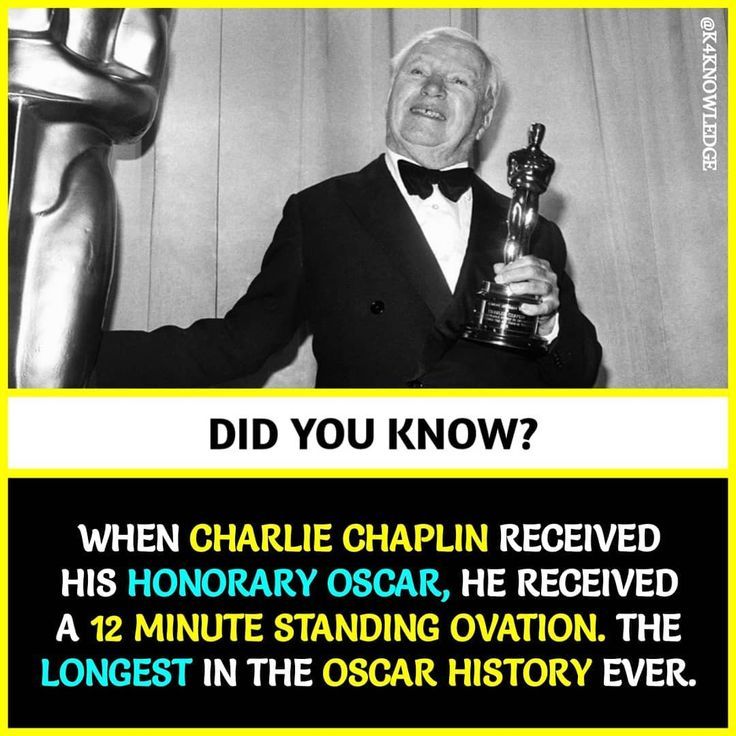
In the vast and storied history of the Academy Awards, countless moments of glamour, triumph, and drama have unfolded on stage. Yet, one emotional highlight stands completely unmatched in cinematic history. At the 44th Academy Awards ceremony in 1972, legendary silent film pioneer Charlie Chaplin stepped onto the stage to accept an Honorary Oscar.
What followed was a emotional, record-breaking 12-minute standing ovation—the longest continuous standing applause ever recorded in Academy Awards history.
For the audience inside the Dorothy Chandler Pavilion, as well as millions watching across the globe, the ovation was far more than an appreciation of comedic genius. It marked the culmination of decades of artistic brilliance, painful exile, political controversy, and ultimate reconciliation between Hollywood and one of its founding icons.
The Rise of a Cinematic Legend
Born in London in 1889, Charlie Chaplin overcame severe childhood poverty to become the premier superstar of the silent film era. Through his iconic character “The Tramp”—complete with his signature bowler hat, bamboo cane, oversized trousers, and distinctive walk—Chaplin connected with audiences across cultural and linguistic barriers.
Redefining the Film Industry
Chaplin was not simply an actor; he was a master filmmaker who wrote, directed, produced, edited, scored, and starred in his own features. Masterpieces such as The Gold Rush (1925), City Lights (1931), and Modern Times (1936) transformed cinema from an novelty medium into a profound art form capable of deep social commentary.
As co-founder of United Artists alongside Mary Pickford, Douglas Fairbanks, and D.W. Griffith, Chaplin also revolutionized film distribution and entertainment finance, granting creators unprecedented artistic control and intellectual property rights over their work.
Political Controversy and Exile from Hollywood
Despite his global popularity, Chaplin’s satirical approach to societal issues and outspoken political views made him a target of scrutiny in the United States, particularly as Cold War tensions escalated during the late 1940s and early 1950s.
The McCarthy Era and Revocation of Entry
During the height of the Red Scare, government figures and federal law enforcement agencies targeted high-profile artists suspected of left-wing sympathies. Chaplin’s sharp critiques of industrialization, capitalism, and political authoritarianism—most notably in his 1940 masterpiece The Great Dictator and 1947 dark comedy Monsieur Verdoux—drew significant hostility from political conservatives.
In 1952, while traveling to London for the premiere of his film Limelight, the U.S. Attorney General revoked Chaplin’s permit to re-enter the country. Rather than submit to political investigations, Chaplin settled in Corsier-sur-Vevey, Switzerland, declaring that he would not return to the United States. He remained in self-imposed exile for two decades.
Key Milestones of Charlie Chaplin's Journey:
- 1919: Co-founds United Artists to secure creative independence.
- 1940: Releases "The Great Dictator," a bold satirical attack on fascism.
- 1952: Re-entry visa revoked by the U.S. government; moves to Switzerland.
- 1972: Returns to Hollywood after 20 years to accept the Honorary Oscar.
The Night of Triumph: The 1972 Academy Awards
Twenty years after his exile, the Academy of Motion Picture Arts and Sciences extended a special invitation to Chaplin to accept an Honorary Academy Award. The honor recognized “the incalculable effect he has had in making motion pictures the art form of this century.”
A Moment Frozen in Time
When 82-year-old Chaplin stepped onto the stage wearing a classic tuxedo, the audience of Hollywood stars, directors, and executives rose to their feet as one. The applause was electric, filled with tears, respect, and deep reverence for the living legend.
For 12 unbroken minutes, the room cheered, clapped, and wept. Touched and visibly overwhelmed by the outpouring of affection, Chaplin held his bow tie, put on his iconic Tramp bowler hat, and delivered a simple, heartfelt acceptance speech:
“Words are so futile, so feeble. I can only say thank you for the honor of inviting me here, and you’re wonderful, sweet people.”
The Legacy of Charlie Chaplin in Modern Entertainment
Chaplin’s 1972 Oscar moment remains a defining milestone in cultural history. It demonstrated the power of art to transcend political division, personal grievances, and historical conflict.
Impact on Today’s Entertainment Industry
-
Pioneering Creative Autonomy: Chaplin proved that artists could retain ownership over their creative output—a philosophy that shapes modern entertainment contracts, intellectual property rights, and streaming production deals today.
-
Mastering Visual Storytelling: In an era dominated by high-budget visual effects, Chaplin’s reliance on physical expression, comedy, and raw emotion remains a cornerstone study in film education and technology.
-
The Power of Social Satire: Chaplin paved the way for filmmakers to address complex sociopolitical themes under the guise of comedy and popular entertainment.
Financial and Legal Lessons from Early Hollywood
The legal and financial battles faced by Chaplin throughout his career offer insightful lessons for creative entrepreneurs, business leaders, and entertainment professionals today.
-
Protect Your Intellectual Property: Chaplin’s insistence on owning his original film negatives allowed him to secure long-term royalties, financial security, and control over his legacy.
-
Diversify Investments: By re-investing his earnings into studio infrastructure and real estate, Chaplin maintained independent financial stability during political boycotts.
-
Plan for Regulatory and Legal Shifts: Navigating international travel laws, tax policies, and corporate structures requires ongoing legal services, estate planning, and proactive management.
Conclusion
Charlie Chaplin’s 12-minute standing ovation was far more than an award presentation; it was Hollywood’s collective apology and ultimate tribute to the genius who helped build the movie industry. By honoring his unmatched contributions to storytelling, the Academy affirmed that true talent and artistic courage endure far longer than temporary political conflicts.
Frequently Asked Questions (FAQ)
How long was Charlie Chaplin’s standing ovation at the Oscars?
Charlie Chaplin received a 12-minute standing ovation at the 44th Academy Awards in 1972, which remains the longest continuous standing ovation in Oscar history.
Why was Charlie Chaplin exiled from the United States?
During the Cold War and McCarthy era in the early 1950s, Chaplin faced intense government scrutiny over his political views and social satire. In 1952, the U.S. government revoked his re-entry permit while he was traveling abroad, leading him to live in Switzerland for two decades.
What was the Honorary Oscar awarded for?
The Academy presented Chaplin with an Honorary Award for “the incalculable effect he has had in making motion pictures the art form of this century.”
What was Charlie Chaplin’s most famous character?
Chaplin’s most famous screen persona was “The Tramp,” a beloved silent movie character known for his bowler hat, toothbrush mustache, oversized suit, and heartwarming physical comedy.