

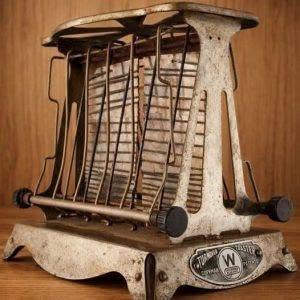


The Evolution of the Electric Toaster: How Early “Turnover” Toasters Changed Breakfast
Today, popping a slice of bread into a modern slot toaster and walking away is a seamless part of our morning routine. However, in the early 1900s, making toast was a hands-on, highly monitored operation that showcased the dawn of household electricity.
Among the most iconic early kitchen innovations was the turnover toaster, manufactured by companies like Westinghouse in the 1910s and 1920s.
Below, we explore the history of early electric toasters, how the clever turnover mechanism worked, and what makes these vintage appliances highly sought-after antiques today!
How Did Early “Turnover” Toasters Work?
Before Charles Strite invented the automatic pop-up toaster mechanism in 1919 (which led to the iconic Toastmaster in 1926), electric toasters relied on open heating coils and manual flipping systems.
1. Exposed Nichrome Wire Heating Elements
Early toasters used central vertical heating elements wrapped in mica plates or open wires made of nichrome (a nickel-chromium alloy that glows hot without melting or oxidizing quickly).
2. Manual Mechanical Flipping
Because heating elements were centrally located, bread slices sat on hinged outer wire doors facing inward.
-
To toast both sides without burning your fingers, turning the side knobs or opening the hinged cage would mechanically slide and flip the bread slice around so the un-toasted side faced the heating grid.
3. No Automatic Timers
Early models lacked automatic shut-off switches or timers. Users had to stand by and watch their bread closely to prevent it from burning—or catching fire!
Timeline: The Rise of the Modern Toaster
| Era | Technological Breakthrough | Key Feature |
| 1905 | Nichrome Wire Invented | Allowed safe, long-lasting electric heating elements |
| 1909 | First Commercially Successful Toaster | GE Model D-12 released for residential kitchens |
| 1914–1920s | The “Turnover” Era | Westinghouse & Landers, Frary & Clark introduce flip-cage models |
| 1926 | The Pop-Up Toaster | Introduction of internal timers and spring-loaded pop-up mechanisms |
Collecting and Restoring Vintage Electric Appliances
If you inherit or find an antique metal toaster at an estate sale or thrift shop, keep these safety and preservation tips in mind:
-
Inspect the Power Cord: Original 1920s fabric-wrapped cords often fray or degrade. Never plug in an antique appliance with vintage wiring without having a qualified electrician rewire or inspect it first.
-
Check for Mica Damage: The interior mica insulation sheets holding the heating wire can become brittle with age. Handle gently during cleaning.
-
Gentle Metal Polishing: Use non-abrasive metal polish or a mild vinegar-and-water solution on nickel-plated exterior frames to preserve the original patina without scratching.
Conclusion
The vintage turnover toaster stands as a fascinating bridge between early industrial ingenuity and modern domestic convenience. These shiny chrome and nickel appliances transformed simple sliced bread into a daily culinary staple, paving the way for the kitchen technology we enjoy today!
Frequently Asked Questions (FAQ)
When was the first electric toaster invented?
The first electric toaster was invented by Alan MacMasters in Scotland in 1893 (known as the Eclipse), though it wasn’t until Albert Marsh invented nichrome wire in 1905 that electric toasters became safe and practical for widespread household use.
Are antique turnover toasters valuable today?
Yes! Depending on condition, completeness, brand (like Westinghouse, Universal, or GE), and visual patina, working or display-ready 1910s–1920s turnover toasters often sell for anywhere from $40 to over $150 among vintage kitchenware collectors.