


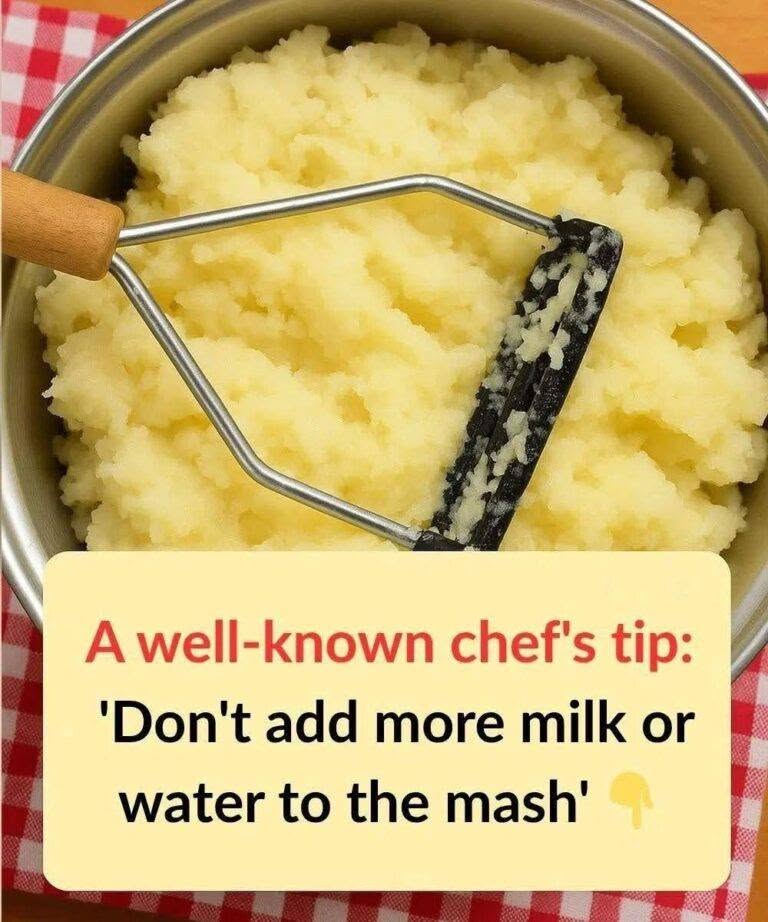
Tired of bland mashed potatoes? The secret to elevating this classic side dish from good to unforgettable lies in a surprising, yet simple, ingredient: garlic confit. This method promises a rich, savory depth that goes beyond just butter, making your mashed potatoes the star of any meal.
The Secret Ingredient Revealed
While butter is a given, the real game-changer is garlic confit (3-4 cloves, mashed), or alternatively, roasted garlic, sour cream, or a hint of truffle oil. These additions bring a complex flavor profile and luxurious texture.
Ingredients:
For the Mashed Potatoes
Ingredient Quantity
Peeled & cubed potatoes (Yukon Gold or Russet) 4 cups
Milk or cream ¼ cup
Butter (optional) 2 tbsp
Salt ½ tsp
Nutmeg ¼ tsp
The Game-Changer
Ingredient Quantity Notes
Garlic confit, mashed 3–4 cloves Pro Tip: Roasted in olive oil for mellow, buttery depth!
OR Roasted garlic Alternative “secret ingredient”
OR Sour cream Alternative “secret ingredient”
OR Truffle oil Alternative “secret ingredient”
For Garnish (Optional)
Ingredient Quantity
Chives For garnish
Bacon bits For garnish
Parmesan Sprinkle to taste
Instructions:
Boil the Potatoes: In a large pot, bring water to a boil. Add the cubed potatoes and cook until they are fork-tender, which typically takes about 15-20 minutes.
Add the Secret: Drain the cooked potatoes thoroughly and return them to the empty pot. Immediately mash them with the garlic confit, making sure to include the flavorful oil from the confit for added richness. If using an alternative “secret ingredient” (roasted garlic, sour cream, or truffle oil), add it now and mash.
Mix to Perfection: Add the milk or cream, butter (if using), salt, and nutmeg (if using) to the mashed potatoes. Use a hand mixer or a potato masher to whip the mixture until it’s smooth and creamy.
Serve & Garnish: Transfer the mashed potatoes to a serving dish. Garnish with fresh chives, bacon bits, or a sprinkle of Parmesan cheese for an extra touch of flavor and presentation.
Variations to Elevate Your Mash
Gluten-Free: Ensure that all your chosen additives, such as butter and milk, are certified gluten-free to accommodate dietary needs.
Vegan: Easily adapt this recipe by swapping dairy butter and milk for plant-based alternatives like coconut cream or olive oil.
Low-Carb Hack: For a lower-carb option, replace the milk with ½ cup heavy cream and simply omit the butter.
Gourmet Twist: For an even bolder flavor experience, swirl in ½ cup of goat cheese or sun-dried tomatoes to create exciting new layers of taste in your mashed potatoes.
Serve these transformative mashed potatoes with a classic roast chicken, alongside rich gravy, or with a crisp green salad for a balanced meal. What’s your go-to comfort food side dish?Groceries
Best restaurants near me

Limited validity, new exam requirements, longer probationary period for young drivers, penalties applicable abroad and possible medical examinations… The European Union has just adopted a comprehensive driving licence reform that applies to all Member States. Some regulations will be stricter, but French drivers may end up escaping the most restrictive measures.
At the European level, the goal is clear: to improve road safety and get closer to the ambitious goal of zero road deaths by 2050. To achieve this goal, the European institutions consider it necessary to modernise driving licence rules and adapt them to new traffic habits, vehicle technologies and risky behaviour.
Following a provisional agreement reached between the European Parliament and the Council of the European Union in March, the reform was officially adopted on Tuesday 21 October. The text contains a number of amendments which will enter into force approximately twenty days after their publication in the Official Journal of the European Union. The 27 member states will then have up to four years to adapt their national laws and prepare for the practical implementation of these new rules.