

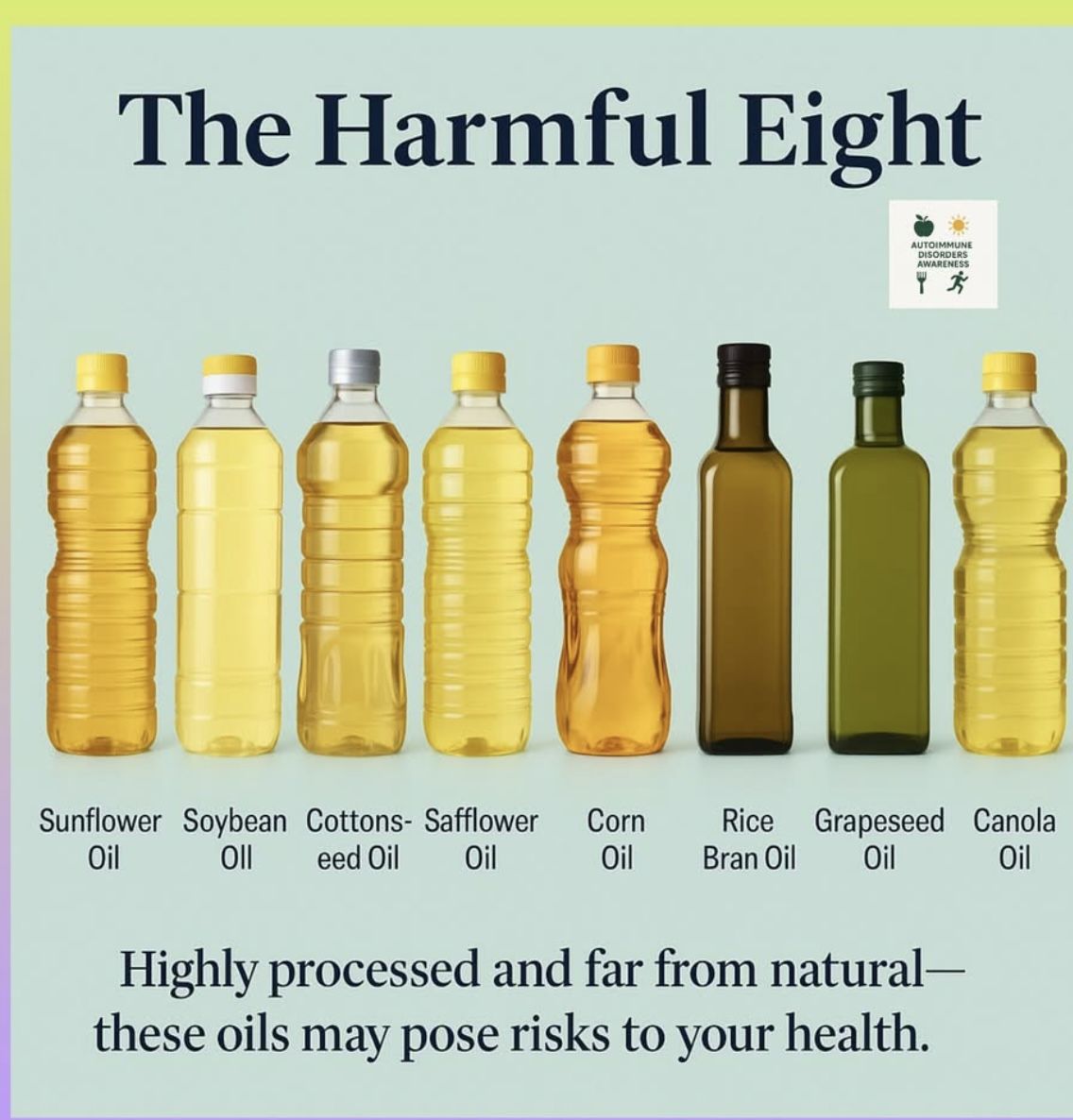

Synthetic Fallacy: Phrases like “far from natural” rely on the appeal to nature cognitive bias—the false premise that natural substances are inherently good and processed items are inherently toxic.Fear-Based Engagement: Labeling staple grocery items as “The Harmful Eight” triggers health anxiety, prompting users to save, share, and comment to warn friends, artificially boosting the graphic’s social media reach.Science vs. Infographic Claims MatrixInfographic ClaimPhysiological & Clinical RealityScientific Verdict”Oils Cause Systemic Inflammation”Human clinical trials show linoleic acid consumption does not increase inflammatory markers (CRP, IL-6)False: Conflates theoretical biochemistry with actual human clinical outcomes”Increases Heart Disease Risk”Replacing saturated fats with polyunsaturated seed oils consistently lowers cardiovascular event riskFalse: Contradicts overwhelming global epidemiological and clinical consensus”Refined Oils Are Toxic”Standard processing removes impurities; toxicity only occurs if oil is repeatedly burned/reusedContext-Dependent: Fresh consumer seed oils are safe; repeatedly reused fryer oils generate harmful oxides4 Guidelines for Healthy Culinary Oil SelectionFocus on Overall Dietary Pattern: Prioritize reducing ultra-processed packaged snacks and fast foods rather than obsessing over minimal seed oil use in home cooking.Match Oils to Cooking Temperatures: Use oils with high smoke points (like canola or refined safflower oil) for high-heat cooking, and save cold-pressed oils (like extra virgin olive oil) for low-heat or raw uses.Avoid Overheating and Reusing: Do not heat oils past their smoke point or reuse cooking oil repeatedly at home, as high heat destabilizes fats and promotes oxidation.Maintain a Balanced Omega Ratio: Support balanced nutrition by incorporating omega-3 sources (flaxseed, walnuts, fatty fish) alongside standard dietary omega-6s.Key TakeawaysProven Heart Health: Seed oils high in polyunsaturated fats (PUFAs) help lower LDL cholesterol and support heart health when replacing saturated fats.No Elevated Inflammation: Human trials show that consuming seed oils rich in linoleic acid does not trigger systemic inflammation.The Real Enemy Is Deep-Frying: The harm attributed to seed oils stems from eating ultra-processed foods fried repeatedly in degraded commercial oils, not home cooking with clean bottled oils.
ConclusionSeed oils like canola, soybean, and sunflower oil are versatile, heart-healthy options rich in essential polyunsaturated fats. Understanding the evidence allows you to cook confidently, enjoy a varied diet, and ignore sensationalized social media food fear!Frequently Asked Questions (FAQ)Are cold-pressed or unrefined oils better than seed oils?Unrefined oils like Extra Virgin Olive Oil retain higher levels of naturally occurring antioxidants (polyphenols), making them fantastic for low-heat cooking and dressings. However, refined seed oils remain safe, neutral-flavored choices for high-heat applications.Why do so many wellness influencers advocate against seed oils?Seed oil criticism offers a simple, single-ingredient scapegoat for complex issues. Promoting anti-seed oil narratives creates high-engagement content and drives sales for alternative tallow, butter, or specialty oil products.Does canola oil contain harmful erucic acid?No. Modern canola oil was specifically bred from rapeseed to contain negligible levels of erucic acid (well below 2%), making it completely safe for human consumption according to international safety standards.
1 2