


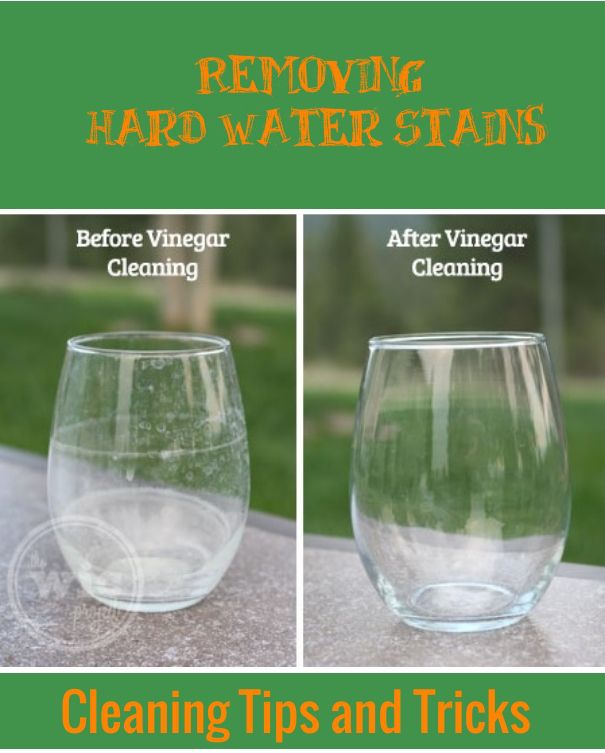
Cloudy glassware, streaky shower doors, and stubborn white spots on faucets are common household frustrations. These unsightly chalky residues are not caused by poor washing or leftover soap residue, but by hard water. Hard water contains high concentrations of dissolved minerals—primarily calcium and magnesium—that leave behind mineral deposits (limescale) as water evaporates.
While commercial descalers exist, distilled white vinegar offers a natural, highly effective, and non-toxic solution to dissolve mineral build-up and restore crystal-clear clarity to your glass and fixtures.
The Chemistry Behind Cleaning Hard Water Stains
Hard water stains consist mostly of calcium carbonate ($CaCO_3$). Because calcium carbonate is an alkaline compound, it remains insoluble in plain water.
Distilled white vinegar contains roughly 5% acetic acid ($CH_3COOH$). When acetic acid contacts calcium carbonate, a chemical reaction occurs that breaks down the solid mineral bond:
This reaction converts solid mineral deposits into water-soluble calcium acetate, carbon dioxide gas, and water. As a result, stubborn limescale dissolves quickly, allowing you to wipe away stains without heavy scrubbing or abrasive pads.
Why White Vinegar Works So Well:
- Mild Acidic pH: Safely breaks down alkaline mineral deposits without damaging glass surfaces.
- Safe and Non-Toxic: Chemical-free solution suitable for food-contact items like drinkware.
- Budget-Friendly: Costs a fraction of commercial lime and rust removers.
How to Remove Hard Water Stains from Glassware
Restoring cloudy drinking glasses, wine glasses, or glass bowls takes minimal effort using a simple vinegar soak.
Option 1: The Distilled Vinegar Soak (Best for Cloudy Glasses)
-
Warm the Vinegar: Fill a clean basin or sink with equal parts warm water and distilled white vinegar. Heating the mixture speeds up the chemical reaction.
-
Soak the Glassware: Submerge your cloudy glasses completely in the solution and allow them to soak for 15 to 30 minutes.
-
Wipe and Rinse: Remove the glasses and gently wipe away remaining spots using a soft microfiber cloth or sponge. Rinse thoroughly under warm running water.
-
Dry Immediately: Dry glassware using a lint-free cloth to prevent new water spots from forming.
Option 2: The Vinegar Towel Wrap (Best for Glass Shower Doors & Faucets)
For large vertical surfaces like shower doors or fixed bathroom fixtures:
-
Soak paper towels or a microfiber cloth in pure white vinegar.
-
Press the soaked towels directly onto the mineral-stained areas so they adhere to the surface.
-
Let sit for 20 to 30 minutes to allow the acid to penetrate thick limescale.
-
Remove towels, scrub gently with a soft sponge, and rinse thoroughly.
Alternative Natural Additions for Heavy Limescale
For severe, long-standing mineral build-up, combining vinegar with other household staples increases cleaning power.
-
Vinegar and Baking Soda Paste: Apply pure vinegar first, followed by a gentle paste of baking soda. The mild fizzing action helps lift loosened scale from textured surfaces.
-
Fresh Lemon Juice: Lemon juice contains citric acid, which works similarly to acetic acid while leaving behind a fresh citrus aroma.
-
Warm Dish Soap Mixture: Adding a few drops of liquid dish soap to your vinegar spray bottle breaks down surface oils, allowing the acid to reach the mineral layer faster.
Financial and Environmental Benefits of DIY Cleaning Solutions
Swapping heavy commercial chemical cleaners for household white vinegar delivers notable financial and lifestyle benefits.
Household Budget Savings
Specialty limescale and rust-removing sprays can cost $5 to $10 per bottle. A gallon of multi-purpose white vinegar costs significantly less and replaces multiple single-purpose cleaners, keeping household maintenance costs low.
Home Infrastructure Protection
Allowing severe hard water scale to accumulate inside showerheads, pipe valves, and dishwasher heating elements reduces water flow efficiency and causes premature appliance breakdown. Regular maintenance with vinegar solutions extends equipment life and helps avoid costly plumbing repair bills.
Essential Safety Precautions
While vinegar is a safe household cleaning staple, keep these guidelines in mind:
-
Avoid Natural Stone Surfaces: Never use vinegar or acidic solutions on granite, marble, quartz, or limestone, as acid etches natural stone permanently.
-
Never Mix with Bleach: Mixing vinegar (acid) with chlorine bleach creates toxic chlorine gas. Always keep these cleaners completely separate.
-
Rinse Metals Thoroughly: Prolonged contact with acid can dull certain chrome or brass finishes, so rinse metal fixtures thoroughly after cleaning.
Conclusion
Cloudy, mineral-stained glass does not mean your kitchenware or fixtures are permanently ruined. By taking advantage of the natural acidic properties of distilled white vinegar, you can easily break down hard water deposits, restore brilliant shine, and save money on household cleaning supplies naturally.
Frequently Asked Questions (FAQ)
Why are my glasses still cloudy after soaking in vinegar?
If glass remains cloudy after a vinegar soak, the surface may suffer from glass etching—a permanent physical erosion caused by soft water, high dishwasher heat, or harsh detergents that cannot be cleaned off.
How long should I leave vinegar on hard water stains?
For light water spots, 5 to 10 minutes is sufficient. For thick, crusty mineral buildup on faucets or glass, allow vinegar to soak for 30 to 60 minutes.
Can I run vinegar through my dishwasher to remove hard water deposits?
Yes. Placing a dishwasher-safe bowl filled with 1 to 2 cups of white vinegar on the top rack and running a hot wash cycle helps remove internal mineral scale build-up.
Is white vinegar safe for all glass types?
Yes. Distilled white vinegar is safe for standard glassware, tempered shower doors, and windows. Exercise caution with antique or hand-painted delicate crystal.