

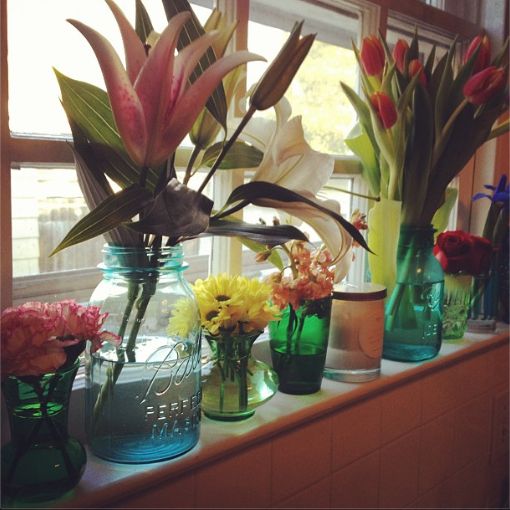

A fresh bouquet of flowers brings vibrant color, natural beauty, and a welcoming fragrance into any room. Whether arranging lilies, tulips, or roses in rustic mason jars along a sunlit windowsill, cut flowers instantly elevate home decor. However, nothing is more disappointing than watching a beautiful floral arrangement wilt, droop, and lose its petals within just a few short days.
Fortunately, extending the lifespan of fresh cut flowers does not require expensive plant food or complex treatments. Understanding basic plant biology and water care allows you to keep your floral arrangements looking fresh, crisp, and colorful for two weeks or longer.
Why Do Cut Flowers Decay So Quickly?
Once a stem is cut from its rooted plant, its supply of nutrients and continuous water absorption is disrupted. Several key biological factors contribute to rapid wilting:
-
Bacterial Growth: Microorganisms multiply rapidly in standing vase water, clogging the vascular pathways (xylem) inside the flower stem and preventing water from reaching the blooms.
-
Air Embolisms: When stems are cut in open air, tiny air bubbles get trapped inside the stem base, blocking fluid movement.
-
Ethylene Gas Exposure: Maturing flowers and nearby ripening fruit produce ethylene gas, a natural plant hormone that accelerates aging and petal loss.
Essential Daily Checklist for Flower Longevity:
- Water Refresh: Replace vase water every 24 to 48 hours.
- Diagonal Trim: Recut stems by 1/2 inch every two days at a 45-degree angle.
- Clean Environment: Remove submerged leaves to prevent organic rot and bacterial blooms.
Step-by-Step Guide to Maximizing Flower Lifespan
Following proper floral preparation techniques immediately upon bringing flowers home drastically extends their shelf life.
1. Clean Vases and Mason Jars Thoroughly
Before adding water, wash your glass jars, mason jars, or ceramic vases with hot water and dish soap. Eliminating residual bacteria from previous arrangements ensures a clean, sterile environment for fresh stems.
2. Trim Stems Under Water at a 45-Degree Angle
Use sharp, clean floral shears or a sharp knife rather than household scissors, which can crush sensitive vascular tissues. Cut 1 to 2 inches off the bottom of each stem at a 45-degree angle. Cutting on an angle creates more surface area for water intake and prevents the stem from resting flat against the bottom of the vase.
3. Strip Underwater Leaves
Remove all leaves, side shoots, and lower foliage that fall below the waterline in your jar. Submerged leaves quickly decay, creating a breeding ground for bacteria that rots stems and pollutes the water.
4. Optimize Placement and Lighting
While displaying flowers near sunny windows offers beautiful aesthetic appeal, direct sunlight and heat speed up dehydration. Keep arrangements in cool areas away from direct heat vents, air conditioners, and fruit bowls (which release ethylene gas).
Popular DIY Flower Preservatives Tested
Adding household ingredients to vase water provides nutrition while inhibiting bacterial growth.
-
Sugar and Distilled White Vinegar: Combine 2 tablespoons of sugar (to nourish the blooms) with 2 tablespoons of white vinegar (to lower water pH and suppress bacterial growth) per quart of warm water.
-
A Drop of Liquid Bleach: Adding 1/4 teaspoon of plain household bleach per quart of water kills harmful bacteria and keeps vase water crystal clear without harming healthy stems.
-
Copper Coins: Dropping a copper coin into the bottom of the vase acts as a natural fungicide, helping resist bacterial contamination.
Economic and Lifestyle Benefits of Long-Lasting Florals
Incorporating fresh florals into home staging and interior design provides substantial mental wellness benefits, reducing stress and boosting daily mood.
From a financial perspective, extending the life of fresh bouquets from 4 days to 14 days effectively triples the value of your purchase. For homeowners staging real estate, hosting seasonal events, or decorating short-term rental properties, maintaining long-lasting natural arrangements cuts weekly flower expenses significantly while preserving high aesthetic standards.
Practical Maintenance Tips for Specific Flower Types
-
Lilies: Gently snip off pollen-bearing anthers as soon as blooms open to prevent staining petals, clothing, or furniture, and to prolong flower life.
-
Tulips: Tulips continue growing in vase water toward light sources; keep water levels shallow and cold, trimming stems every few days.
-
Roses: If roses begin to droop prematurely, submerge the entire stem and bloom in a sink of cool water for 30 minutes to rehydrate the vascular system.
Conclusion
Keeping cut flowers fresh and vibrant does not have to be a gamble. By maintaining clean glassware, trimming stems at proper angles, stripping underwater foliage, and keeping vase water free of bacteria, you can enjoy stunning, fresh-blooming floral displays in your home for weeks.
Frequently Asked Questions (FAQ)
Should you use hot, warm, or cold water for cut flowers?
Most cut flowers prefer room temperature or lukewarm water, which stems absorb easily. However, bulb flowers like tulips and daffodils thrive best in cold water.
How often should you change the water in a vase?
For optimal freshness, change the vase water completely every 1 to 2 days, rinsing the stems and re-cutting the bases slightly with each water change.
Why do my flowers wilt even when the vase is full of water?
Wilting in a full vase usually occurs because bacteria or air bubbles have clogged the stem ends, blocking water uptake. Re-trimming 1 inch off the stems under warm running water can fix this issue.
Is flower food from the florist necessary?
Yes. Commercial flower food packets contain carbohydrate nutrients (sugars) to feed the flower, acidifiers to regulate pH, and bactericides to keep water clean. Using flower food is one of the most effective ways to prolong bloom life.