
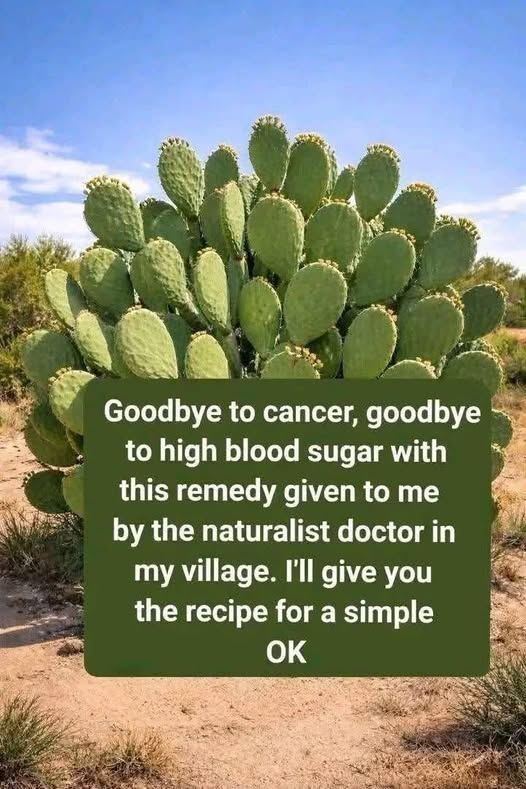


The Nopal cactus, widely known as the Prickly Pear (Opuntia), is a fundamental staple in traditional Southwestern, Latin American, and Mediterranean diets. Beyond its iconic appearance in arid landscapes, this versatile plant has earned widespread attention in modern dietary science due to its exceptional fiber content, antioxidant capacity, and potential role in supporting metabolic health. While viral social media claims often overstate the medicinal powers of natural plants, grounded scientific research confirms that incorporating nopal pads (nopales) and prickly pear fruit (tunas) into a balanced lifestyle offers tangible physical benefits.
Understanding the nutritional breakdown, evidence-based health impacts, culinary preparation methods, and health insurance considerations surrounding nopal cactus allows individuals to make informed decisions for long-term health and wellness.
What is Nopal Cactus? Overview and Profile
Nopal refers to the flat, oval pads of the Opuntia cactus species. When harvested young, these edible pads are tender, succulent, and packed with essential micronutrients and dietary fiber.
| Feature | Nopal Cactus (Opuntia) Overview |
| Common Names | Nopal, Prickly Pear, Paddle Cactus, Opuntia |
| Edible Parts | Young green pads (nopales), sweet seasonal fruits (tunas) |
| Flavor Profile | Slightly tart, crisp, reminiscent of green bean or okra |
| Primary Nutrients | Soluble and insoluble fiber, Vitamin C, Calcium, Magnesium, Betalains |
| Traditional Uses | Blood sugar support, digestive regularity, hydration, culinary dishes |
Nutritional Powerhouse: Why Nopal Supports Health
The unique chemical structure of nopal pads makes them an excellent addition to a nutrient-dense diet:
1. High Soluble Fiber and Mucilage Content
Nopal pads are exceptionally rich in pectin and mucilage—a gel-like soluble fiber. This sticky fiber slows the rate of glucose absorption in the digestive tract following meals, which helps support stable, gradual post-meal blood sugar levels within normal parameters.
2. Powerful Betalain Antioxidants
The bright red and purple fruit of the prickly pear contains betalains—rare nitrogen-rich pigments with strong antioxidant and anti-inflammatory properties. These compounds help combat oxidative cellular stress and neutralize free radicals.
3. Essential Vitamins and Hydration
Composed of over 90% water, nopal cactus provides fantastic natural hydration alongside substantial doses of Vitamin C, potassium, magnesium, and bioavailable calcium.
Evidence-Based Health Benefits
While nopal should never replace prescribed medical treatments or ongoing clinical therapies, regular dietary intake offers several key physiological advantages:
Supporting Healthy Blood Sugar Management
Multiple clinical studies demonstrate that consuming cooked nopal pads alongside carbohydrate-rich meals helps reduce sudden blood glucose spikes. For individuals managing metabolic health, Type 2 diabetes, or prediabetes, adding nopal to regular meals serves as a helpful, low-glycemic dietary tool.
Digestive Wellness and Cholesterol Support
The high concentration of dietary fiber promotes healthy gut motility and digestive regularity. Furthermore, soluble fibers bind to dietary cholesterol in the digestive tract, facilitating natural excretion and supporting healthy lipid profiles.
How to Prepare Nopal Cactus Safely at Home
Preparing fresh nopal pads is simple once the spines and fine glochids are removed.
       [Harvest / Buy Fresh Nopal Pad]
                     |
         [Trim Spines and Edges]
                     |
         [Rinse Under Cold Water]
                     |
     +---------------+---------------+
     |                               |
[Sautéed with Vegetables]    [Blended into Fresh Juice]
Option 1: Classic Sautéed Nopales with Garlic and Tomatoes
-
Ingredients: 2 fresh nopal pads (spines removed, diced), 1 diced tomato, 1/2 diced onion, 1 minced garlic clove, 1 tbsp olive oil, pinch of salt and pepper.
-
Instructions: Trim edges and carefully scrape off spines using a sharp knife. Dice the pad into bite-sized squares. Heat olive oil in a pan over medium heat and add the diced nopal. Sauté for 8 to 10 minutes until the natural gel reduces and the pads turn olive green. Stir in garlic, onion, and tomato, cooking for another 3 minutes. Serve hot as a side dish or taco filling.
Option 2: Refreshing Green Nopal Smoothie
-
Ingredients: 1/2 fresh cleaned nopal pad, 1 cup green apple slices, 1/2 cup cucumber, 1 cup water or coconut water, juice of 1/2 lime.
-
Instructions: Blend all ingredients on high speed until completely smooth. Drink fresh in the morning for a hydrating, fiber-packed metabolic boost.
Financial, Health Insurance, and Legal Dimensions
Navigating dietary health trends involves understanding healthcare responsibilities and realistic claims:
-
Preventative Healthcare Savings: Prioritizing nutrient-rich whole foods like nopal cactus supports long-term cardiovascular and metabolic efficiency, lowering lifetime prescription costs and medical expenses.
-
Health Insurance & Wellness Incentives: Many modern health insurance plans offer incentive programs, HSA/FSA eligibility for preventative wellness coaching, and registered dietitian consultations to help members manage blood pressure and metabolic health naturally.
-
FDA and Legal Labeling Regulations: Marketers and herbal supplement companies must strictly follow legal labeling guidelines. Claims asserting that any plant “cures” severe medical conditions like cancer or diabetes are false, illegal, and strictly prohibited by health regulatory authorities. Natural plants serve as helpful dietary support, not medical cures.
Practical Tips for Buying and Storing Nopal
-
Choose Firm Pads: Select bright green nopal pads that are firm to the touch, avoiding limp, thin, or yellowing leaves.
-
Buy Pre-Cleaned: Most Latin market produce sections offer pre-trimmed, spine-free nopal pads to save time during food prep.
-
Store Correctly: Wrap unwashed nopal pads tightly in plastic wrap and store them in the refrigerator crisper drawer for up to two weeks.
Key Takeaways and Conclusion
Nopal cactus is a delicious, fiber-rich superfood that provides real, science-backed support for digestion, hydration, and healthy blood sugar management. By ignoring internet myths and embracing authentic nutritional facts, you can safely enjoy prickly pear cactus as a vibrant, health-supporting addition to your daily meals.
Frequently Asked Questions (FAQ)
Does nopal cactus help lower blood sugar?
Yes, the high soluble fiber and mucilage in nopal cactus slow down carbohydrate absorption during digestion, helping prevent drastic post-meal blood sugar spikes.
Can nopal cactus cure cancer or serious diseases?
No. While nopal contains healthy antioxidants that reduce cellular oxidative stress, no food or plant can cure cancer. It should be enjoyed as part of a healthy diet alongside standard medical care.
How do you get spines off prickly pear pads?
Lay the pad flat on a cutting board, hold it firmly by the base with tongs, and scrape a sharp chef’s knife across the surface against the grain of the spines to remove them completely.
Can you eat nopal cactus raw?
Yes, young nopal pads can be sliced thinly and eaten raw in salads or blended into green juices, provided all spines are thoroughly removed.