
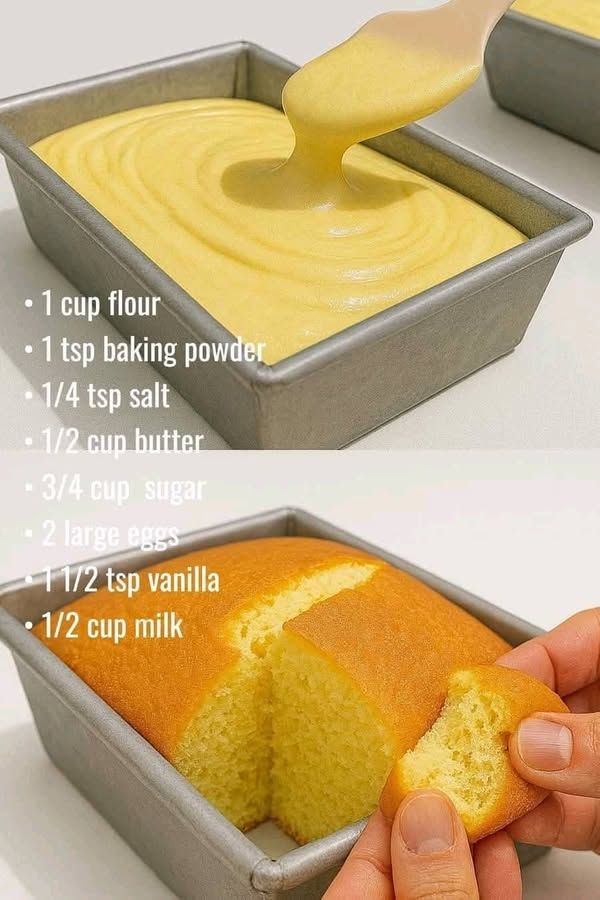


There is something profoundly comforting about a classic, golden-brown loaf cake cooling on a kitchen counter. In a world full of complex, multi-tiered pastries and over-the-top desserts, the simple vanilla sponge remains an undisputed favorite. It is the ultimate companion to a morning cup of coffee, a centerpiece for afternoon tea, and a nostalgic treat that reminds many of home. However, don’t let its humble appearance fool you—achieving a perfectly level rise, a moist crumb, and a delicate texture requires a solid understanding of the science behind the ingredients.
Many bakers struggle with cakes that turn out too dense, dry, or collapsed in the center. The secret to avoiding these common pitfalls doesn’t require expensive kitchen gadgets or secret culinary degrees; it simply requires precision, patience, and a few basic rules of chemistry. Let us break down the exact anatomy of a foolproof vanilla cake recipe, explore how each component behaves inside the oven, and establish practical methods to optimize your home baking.
Deconstructing the Essential Ingredients
The base of a traditional loaf cake relies on a delicate balance between wet and dry components. Each ingredient plays a specific biochemical role during the mixing and baking process.
The Foundation: Flour, Baking Powder, and Salt
-
Flour: Providing the structure of the cake, flour contains proteins that form gluten when mixed with liquids. For a tender, soft crumb, a standard all-purpose flour or low-protein cake flour is ideal to keep the gluten development minimal.
-
Baking Powder: As a chemical leavening agent, baking powder releases carbon dioxide gas when exposed to heat and moisture. This reaction creates tiny pockets of air within the batter, causing the cake to expand and rise beautifully.
-
Salt: Often overlooked in sweet treats, a pinch of salt is crucial for enhancing the natural flavors of the butter, sugar, and vanilla, preventing the cake from tasting flat.
The Emulsifiers: Butter, Sugar, Eggs, and Milk
-
Butter: Fat acts as a tenderizing agent by coating the flour proteins, preventing excess gluten formation. It also holds onto air bubbles during the creaming phase, contributing to a light, fluffy mouthfeel.
-
Sugar: Beyond sweetness, sugar locks in moisture and weakens the gluten structure, ensuring the cake remains soft for days.
-
Eggs: Eggs provide structure, moisture, and acting as a natural emulsifier, they bind the fats and liquids together smoothly.
-
Milk: Liquid hydrates the dry ingredients, activates the baking powder, and ensures the batter has a smooth, pourable consistency.
The Chemistry of Mixing: Avoiding the Over-Mixing Trap
One of the most frequent mistakes made in home kitchens occurs before the pan even enters the oven. Once liquid meets flour, the clock begins ticking.
+--------------------------------------------------------+
|             Creaming Butter and Sugar                  |
+---------------------------+----------------------------+
                            | (Incorporates air bubbles)
                            v
+--------------------------------------------------------+
|             Adding Eggs and Vanilla                    |
+---------------------------+----------------------------+
                            | (Establishes the emulsion)
                            v
+--------------------------------------------------------+
|       Alternating Dry Ingredients and Milk             |
+---------------------------+----------------------------+
                            | (Gently fold to minimize gluten)
                            v
+--------------------------------------------------------+
|           Perfect Bake with a Soft Crumb               |
+--------------------------------------------------------+
When you mix cake batter too vigorously, you develop an excess matrix of gluten. In bread baking, high gluten development is desirable for a chewy texture; in cake baking, however, it is disastrous. Over-mixed batter yields a tough, rubbery cake characterized by large, elongated holes (often called “tunneling”) and a dense center. For the best results, always switch to a manual spatula or low mixer speed when incorporating your dry ingredients, folding just until the flour disappears.
Optimizing the Bake: Temperature and Timing
Even with a perfectly balanced batter, your choice of equipment and oven management can make or break the final product.
| Baking Element | Best Practice | Scientific Purpose |
| Oven Preheating | Always preheat the oven completely before inserting the pan. | Ensures an immediate blast of heat to activate the leavening agent for a proper rise. |
| Pan Material | Opt for light-colored aluminum or heavy-duty steel pans. | Prevents the exterior edges from browning or burning before the interior is fully baked. |
| The Toothpick Test | Insert a clean wooden skewer into the thickest center part of the cake. | Verifies that the interior starches have set completely without relying purely on a visual timer. |
Practical Tips for Your Next Baking Session
-
Bring Ingredients to Room Temperature: Cold eggs and chilled milk will cause your creamed butter to seize up and curdle, breaking the smooth emulsion of your batter. Remove these items from the refrigerator at least 30 to 45 minutes before starting your project.
-
Measure Flour by Weight: Scooping flour directly out of the bag with a measuring cup packs it down, resulting in up to 20% more flour than a recipe intends. Use a digital scale or use the “spoon and level” method with a straight edge.
-
Don’t Open the Oven Door Early: Opening the oven during the first half of the baking cycle lets out a rush of cool air, dropping the internal temperature and potentially causing a delicate, rising cake to collapse in the center.
Interesting Facts About Baking History
-
The Origin of Pound Cake: The traditional ancestor of the loaf cake is the historic British pound cake, named because the original 18th-century recipe called for exactly one pound each of flour, butter, sugar, and eggs.
-
The Evolution of Vanilla: Pure vanilla extract is derived from the orchids of Vanilla planifolia, a plant native to Mexico that requires meticulous hand-pollination, making it one of the most labor-intensive agriculture investments in the world.
-
The Discovery of Baking Powder: Developed in the mid-19th century by Alfred Bird, the invention of modern baking powder completely revolutionized the home kitchen, allowing bakers to create light cakes quickly without relying on yeast or whipped egg whites.
Conclusion
Baking a spectacular vanilla loaf cake is an incredibly rewarding experience that highlights the magic of kitchen science. By treating your measurements with respect, ensuring your ingredients are at room temperature, and avoiding the urge to over-mix the batter, you can reliably produce an exquisite, golden cake every single time.
Whether you are treating your family to a weekend surprise or looking to level up your personal culinary skill set, mastering this essential foundational technique is a fantastic asset for any home cook. Step into the kitchen, follow the process, and enjoy the comforting aroma of a fresh, homemade bake filling your home.
FAQ Section
Why did my cake sink in the middle?
A cake usually sinks in the middle due to expired baking powder, an oven temperature that is too low, or opening the oven door too early in the baking process, which disrupts the structural setting of the starches.
Can I substitute water for milk in this recipe?
While water will technically work to hydrate the flour, substituting milk will result in a less flavorful and slightly drier cake. The natural fats and proteins in milk are vital for creating a rich flavor profile and a tender texture.
What is the best way to store a homemade loaf cake?
Allow the cake to cool completely to room temperature, then wrap it tightly in plastic wrap or store it in an airtight container at room temperature for up to three days. For longer storage, you can slice and freeze it for up to three months.