

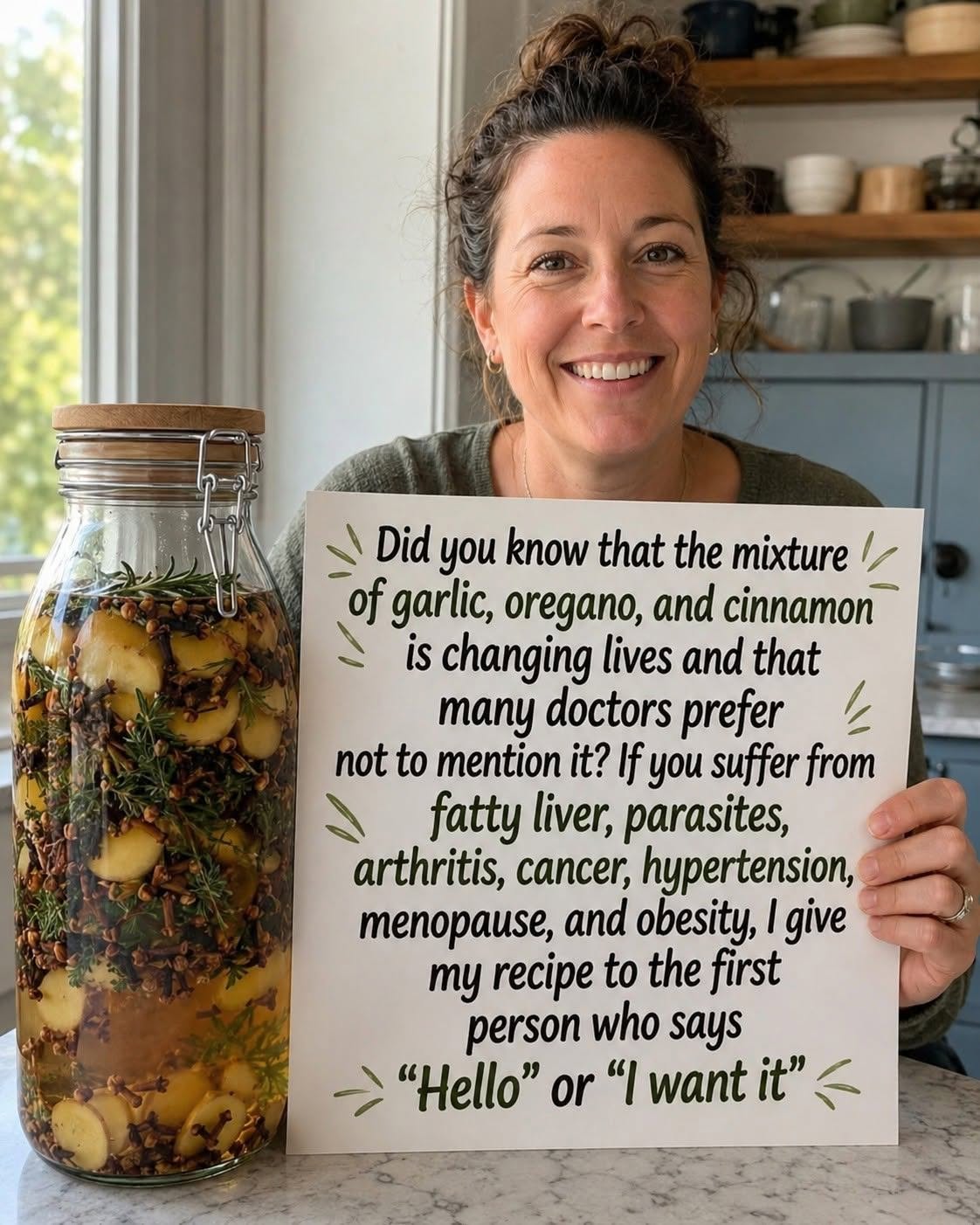


Social media is full of posts promoting homemade herbal mixtures as miracle cures for serious medical conditions. Visuals featuring large glass jars packed with garlic, herbs, and spices often come with sensational claims like “doctors prefer not to mention it” or promises that a single recipe can cure cancer, hypertension, fatty liver, and obesity.
While culinary herbs like garlic, oregano, and cinnamon offer genuine health benefits, understanding the difference between dietary support and proven medical treatment is vital for health literacy.
Fact-Checking the Claims: Miracle Cure or Engagement Bait?
Claims that a single herbal infusion can treat complex, unrelated medical conditions fail to align with established medical science:
| Claimed Condition | Popular Home Claim | Scientific Reality |
| Cancer | Infusions eliminate cancerous cells. | Cancer involves complex cellular mutations requiring validated therapies (chemotherapy, radiation, immunotherapy). No herbal drink cures cancer. |
| Hypertension (High Blood Pressure) | Garlic water immediately cures high blood pressure. | Garlic contains compounds like allicin that mildly support cardiovascular health, but it cannot replace prescribed anti-hypertensive medications. |
| Fatty Liver & Obesity | Spices melt away liver fat and weight. | Managing fatty liver disease and weight requires holistic lifestyle modifications, balanced nutrition, and exercise, rather than a single beverage. |
| Parasites | Oregano and cloves wipe out internal parasites. | Certain essential oils demonstrate mild antimicrobial properties in lab settings, but clinical parasite infections require targeted medical antiparasitics. |
Why “Secret Remedy” Posts Go Viral
Posts structured like the one above rely on classic engagement-farming tactics designed to manipulate social media algorithms:
                    [ Social Media Engagement Loop ]
                                   |
     +-----------------------------+-----------------------------+
     |                                                           |
[ Conspiracy Framing ]                                 [ Call-to-Action Bait ]
 - "Doctors prefer not to mention it"                  - "Say 'Hello' or 'I want it'"
 - Creates distrust in modern medicine                - Forces hundreds of comment replies
 - Makes the remedy feel exclusive                     - Boosts post reach across newsfeeds
-
The “Hidden Truth” Narrative: Suggesting that healthcare providers are intentionally hiding cheap cures creates intrigue and fosters skepticism toward evidence-based medicine.
-
Comment Baiting: Prompting users to type specific keywords (“Hello” or “I want it”) signals high activity to social media algorithms, pushing the post onto thousands of additional user feeds.
-
AI-Generated / Synthetic Visuals: Many of these viral images feature AI-generated individuals holding signs with pasted text overlaying non-functional or unsafe herbal mixtures.
Genuine Health Benefits of Culinary Herbs
While not miracle cures, incorporating garlic, oregano, and cinnamon into your daily cooking offers real nutritional value:
-
Garlic: Contains sulfur compounds (allicin) that support immune function and modest heart health benefits.
-
Oregano: Rich in antioxidants like carvacrol and thymol, which help fight oxidative stress.
-
Cinnamon: Shown to assist with mild blood sugar regulation when paired with a balanced diet.
Key Takeaways and Conclusion
Herbs and spices are wonderful, flavor-packed additions to a healthy diet. However, beware of social media posts claiming that a single home remedy can cure major illnesses. Always consult with a qualified healthcare professional regarding serious medical conditions!
Frequently Asked Questions (FAQ)
Can garlic, oregano, and cinnamon cure serious diseases?
No. While these ingredients contain healthy antioxidants and nutrients, there is zero scientific or clinical evidence that combining them creates a cure for conditions like cancer, hypertension, or fatty liver disease.
Why do pages ask viewers to comment “Hello” or “I want it”?
This is a standard algorithmic growth strategy known as “comment baiting.” High comment volume tricks social media platforms into promoting the post to a wider audience.