

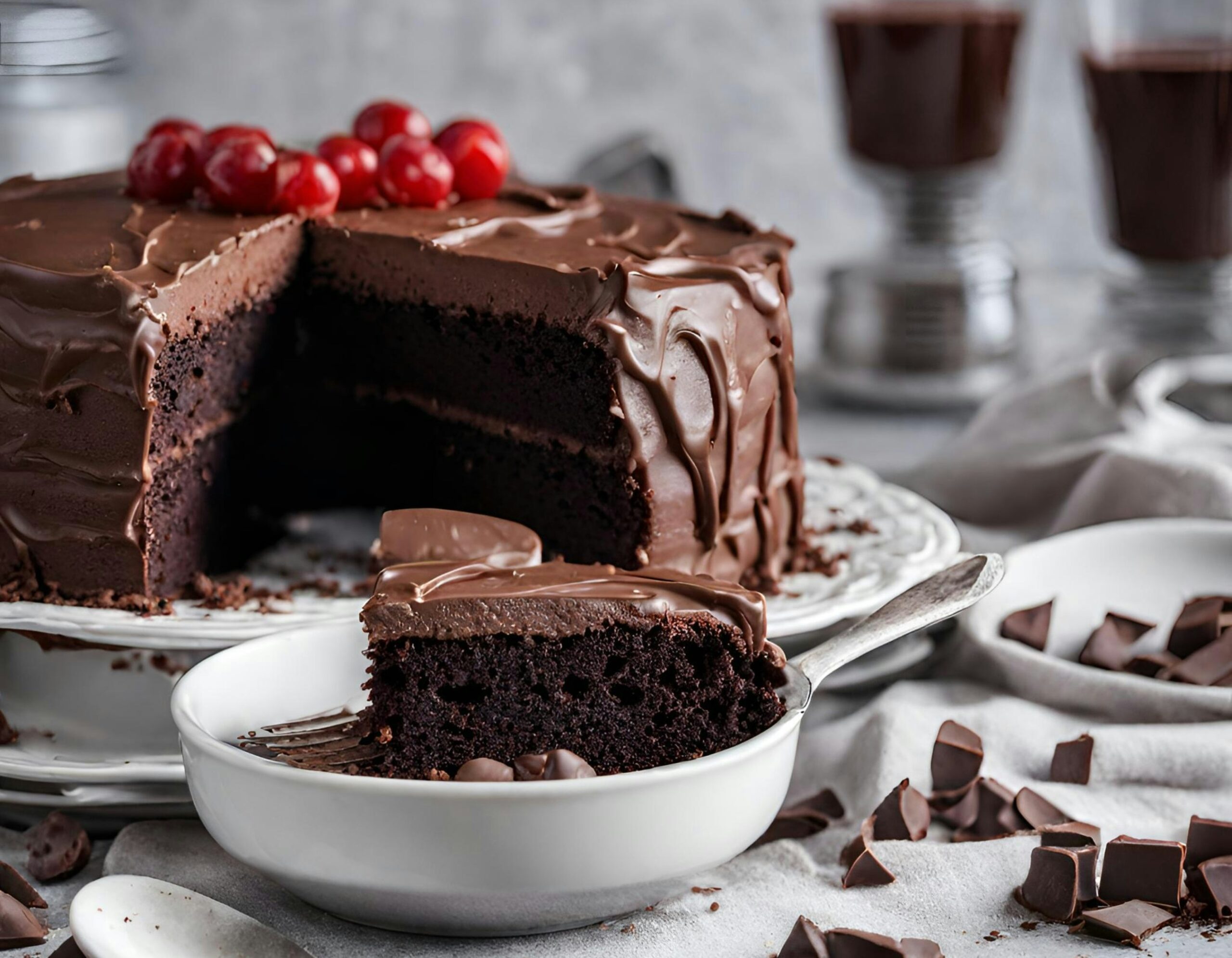

There is an undeniable magic to a perfectly executed chocolate cake. When done right, it stands as the crown jewel of the dessert world—rich, intensely flavorful, and possessing an incredibly tender, melt-in-your-mouth crumb. Yet, despite its universal popularity, achieving that elusive baseline of deep moisture and rich cocoa flavor remains a significant challenge for many home bakers. All too often, promising recipes yield a cake that turns out crumbly, dry, or structurally resembling sweet bread rather than a decadent pastry.
Creating a bakery-quality masterpiece isn’t about luck or relying on expensive, gourmet kitchen gadgets. Instead, it comes down to understanding the fundamental chemistry of your ingredients and how they interact under heat. By mastering the delicate balance of fats, liquids, and leavening agents, you can transform your kitchen into a haven of high-end culinary creation. Let us explore the molecular secrets behind structural moisture, examine the key components that elevate cocoa profiles, and lay out an exact path to chocolate cake perfection.
Deconstructing the Blueprint for Structural Moisture
To guarantee that a cake maintains its moisture for days after it leaves the oven, we have to look closely at the specific properties of the fats and liquids utilized in the batter. In traditional baking, minor modifications to these foundational elements yield massive variations in the final texture.
Why Oil Triumphs Over Butter for Extreme Moisture
While creamed butter provides an unmatched, classic flavor profile to yellow sponges and pound cakes, it is not the ideal choice for an intensely moist chocolate cake. Butter contains roughly 80% milk fat and 20% water and milk solids. When a cake cools, butter returns to its solid state at room temperature, which can make the crumb feel denser and slightly dry.
Vegetable oil, being a 100% pure liquid fat, remains completely liquid at room temperature. This coat-and-protect mechanical function ensures that the flour’s starches are thoroughly wrapped in lipids, preventing excessive gluten cross-linking and locking in an incredibly soft, silky mouthfeel that persists for up to a week.
The Power of Cultured Dairy: Buttermilk and Sour Cream
Introducing an acidic, cultured dairy component like buttermilk or sour cream serves a dual purpose in your batter:
-
Structural Tenderizing: The natural lactic acid present in buttermilk gently breaks down the tough protein strands in flour, leading to an incredibly delicate, velvety crumb.
-
Leavening Activation: Acid acts as the necessary biochemical trigger for baking soda. When combined, they produce an immediate release of carbon dioxide gas, providing a superior rise without requiring a heavy hand of chemical powders that leave a metallic aftertaste.
The Secret Ingredient: Blooming Your Cocoa Powder
The difference between a mild, unremarkable chocolate cake and an intensely rich, dark masterpiece often comes down to a single professional preparation step known as “blooming.”
+--------------------------------------------------------+
|          Measure Natural or Dutch Cocoa Powder         |
+---------------------------+----------------------------+
                            |
                            v
+--------------------------------------------------------+
|       Pour Over Scalding Hot Coffee or Boiling Water    |
+---------------------------+----------------------------+
                            |
                            v
+--------------------------------------------------------+
|   Dissolve Solid Particles & Release Trapped Organics   |
+---------------------------+----------------------------+
                            |
                            v
+--------------------------------------------------------+
|   Yields Deep, Multi-Dimensional Chocolate Profiles   |
+--------------------------------------------------------+
Cocoa powder is essentially the dry solid left behind after cocoa butter is extracted from the cacao bean. These dry particles contain tightly locked flavor compounds. By pouring a hot liquid—specifically fresh-brewed hot coffee or boiling water—directly over your cocoa powder before adding it to the batter, you dissolve the stubborn solids and release the trapped volatile organic compounds. The addition of coffee doesn’t make the cake taste like espresso; rather, the caffeine and heat amplify the organic notes of the cacao, creating a profoundly deep, complex chocolate experience.
Managing Your Kitchen Assets: Temperature and Tools
Baking is a scientific process that rewards meticulous operational control. Treating your preparation like a careful financial investment ensures that your time, effort, and ingredients yield maximum returns.
Practical Tips for Flour Management and Perfect Measuring
-
Avoid the Scooping Error: Never use your measuring cup as a shovel directly inside the flour bag. This compacts the flour, adding too much dry weight to the batter. Always fluff your flour with a fork, spoon it gently into the cup, and sweep the top flat with a straight knife edge.
-
Embrace the Sifter: Cocoa powder is notoriously prone to forming small, resilient clumps that survive the mixing process. Always sift your dry ingredients together to guarantee an even distribution of leavening agents and a perfectly uniform crumb.
-
Keep Your Batter Thin: Do not be alarmed if your final chocolate cake batter looks surprisingly watery. A thin, highly fluid chocolate batter is exactly what allows the cake to rise uniformly and maintain an intensely moist core.
Interesting Facts About the History of Chocolate
-
Ancient Currency: In Mayan and Aztec societies, cacao beans were so highly valued that they were used as an official form of currency to pay taxes, purchase livestock, and secure legal settlements.
-
The Dutch Secret: In 1828, Coenraad van Houten invented the “Dutching” process, treating cacao beans with alkaline salts to reduce their natural bitterness and create a smoother, more soluble cocoa powder.
-
The First Cake Shift: For centuries, chocolate was consumed strictly as a spiced, liquid beverage. It wasn’t until the mid-19th century that bakers discovered how to incorporate solid chocolate and cocoa directly into traditional cake batters.
Conclusion
Baking an exceptionally moist chocolate cake is a beautifully structured art form that rewards an appreciation for food science. By swapping butter for high-quality oil, introducing the tenderizing power of buttermilk, and blooming your cocoa powder in hot coffee, you can bypass the common traps of dry, underwhelming bakes.
Whether you are celebrating a major milestone with loved ones, building a professional baking enterprise, or simply indulging your personal creativity over the weekend, mastering this reliable foundation is an incredible asset. Step up to your kitchen counter with confidence, trust the underlying chemistry, and enjoy the rich rewards of a truly perfect bake.
FAQ Section
Can I use hot water instead of hot coffee to bloom the cocoa?
Yes. Hot water will successfully bloom the cocoa powder and release its trapped flavors. However, utilizing hot coffee is highly recommended because it acts as a natural flavor enhancer, deepening the chocolate profile without altering the final taste.
Why did my chocolate cake crack heavily on top?
A heavy crack on top usually indicates that your oven temperature was too high. The intense heat causes the outer crust of the cake to set completely before the interior finishes rising, forcing the expanding batter to burst through the top surface.
What is the best frosting to pair with a moist chocolate cake?
Because this cake is intensely moist and rich, it pairs beautifully with a classic chocolate fudge buttercream, a light whipped chocolate ganache, or a contrasting cream cheese frosting to add a touch of balancing acidity.