

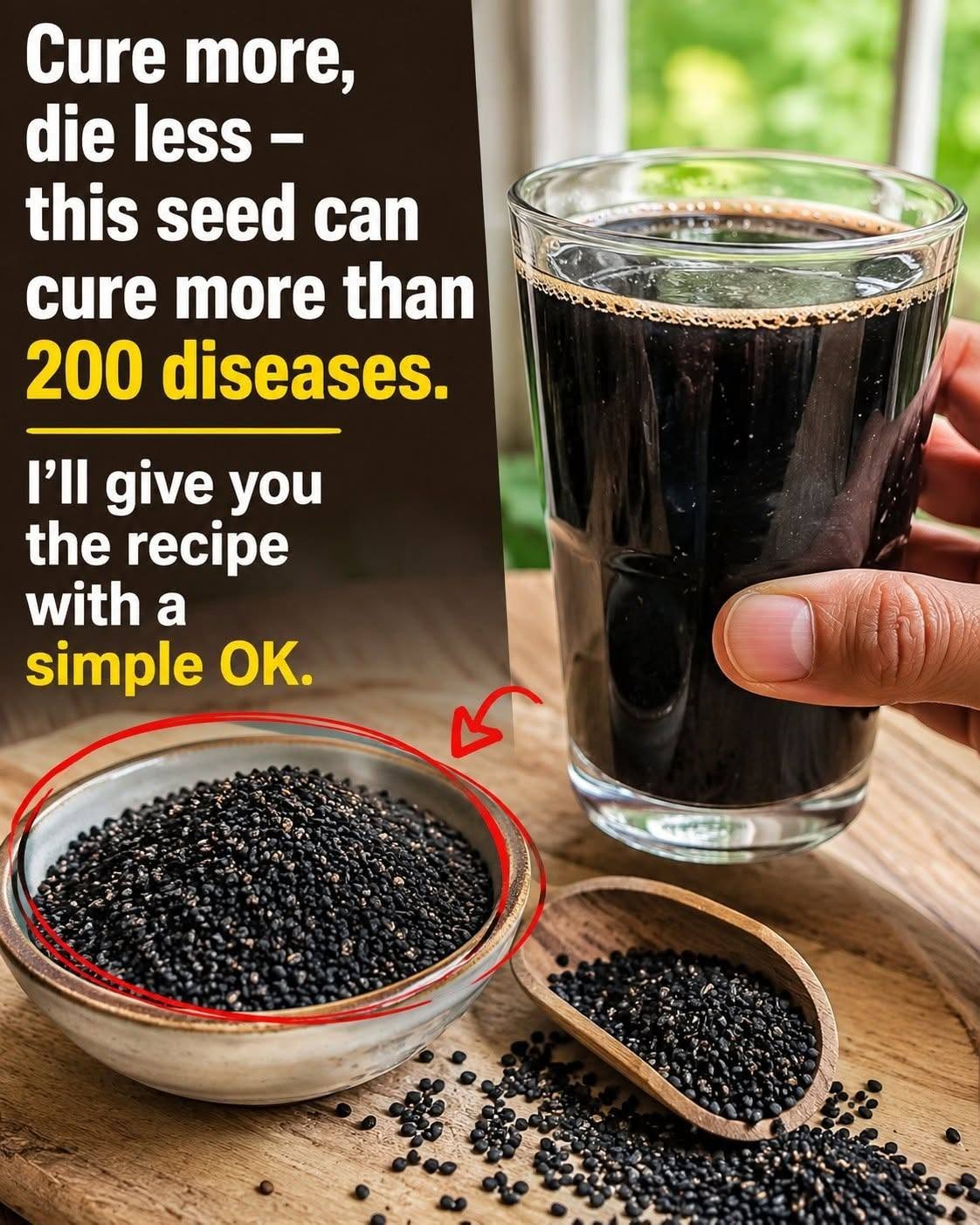


Black seed (Nigella sativa), also known as black cumin, kalonji, or black caraway, has been prized across traditional medicine systems for thousands of years. From ancient Egyptian tombs to traditional Middle Eastern and South Asian herbalism, this small dark seed has earned a reputation as a natural remedy for daily wellness.
While sensational social media posts often make extreme claims about single herbs curing hundreds of illnesses, modern scientific research shows that black seed contains rich concentrations of active compounds—most notably thymoquinone—that support immune function, reduce inflammation, and aid metabolic health.
Below, we separate myth from reality, explore the genuine health benefits of black seed, and share a simple home recipe for incorporating it into your routine.
Separating Myth from Reality: Can Black Seed Cure Everything?
It is important to approach herbal health claims with a grounded perspective:
-
The Myth: Social media graphics often claim that black seed is a miracle cure capable of instantly eliminating hundreds of major medical conditions single-handedly.
-
The Reality: While black seed is not a substitute for medical treatment, it is a potent therapeutic botanical. Scientific studies confirm that its active compounds provide strong antioxidant, anti-inflammatory, and antimicrobial support, making it a wonderful addition to an overall healthy lifestyle.
Proven Health Benefits of Black Seed (Nigella Sativa)
Research into Nigella sativa points to several significant wellness advantages:
1. High Concentration of Thymoquinone (TQ)
The chief bioactive compound in black seed oil is thymoquinone. TQ acts as a powerful antioxidant, scavenging harmful free radicals and shielding cells from oxidative stress and chronic tissue inflammation.
2. Supports Respiratory and Immune Health
Black seed has long been used to soothe allergic airway inflammation. Its natural antihistamine and bronchodilating properties help open airways, ease mild coughing, and support overall seasonal immunity.
3. Aids Blood Sugar Control and Lipid Balance
Multiple clinical studies suggest that regular intake of ground black seed or black seed oil helps support healthy fasting blood glucose levels, insulin sensitivity, and healthy cholesterol profiles already within normal range.
4. Promotes Digestive Comfort
The volatile oils in black seed stimulate digestive enzymes, help ease bloating and gas, and support a balanced gut microbiome.
Simple Daily Recipe: Warm Honey & Black Seed Infusion
Drinking warm black seed tea or mixing ground seeds with raw honey is one of the traditional ways to absorb its essential oils.
Ingredients:
-
1/2 teaspoon whole or crushed black seeds (Nigella sativa)
-
1 cup hot water
-
1 teaspoon raw organic honey
-
1 small lemon slice (optional)
Instructions:
-
Lightly Crush the Seeds: Lightly crush the black seeds using a mortar and pestle to release their aromatic oils.
-
Steep: Place the seeds in a cup, pour hot water over them, cover, and let steep for 7 to 10 minutes.
-
Strain and Sweeten: Strain out the seeds using a fine mesh strainer, stir in raw honey and a squeeze of lemon juice, and drink warm.
Practical Usage Guidelines and Safety Precautions
-
Moderation is Key: Stick to standard culinary or supplemental dosages—typically 1/2 to 1 teaspoon of seeds or oil daily.
-
Pregnancy Caution: Pregnant women should avoid high therapeutic doses or concentrated extracts of black seed, as excessive amounts can affect uterine contractions.
-
Medication Interactions: If you take medications for blood pressure or diabetes, consult a medical professional before adding daily concentrated extracts to avoid unexpected drops in blood sugar or pressure.
Fascinating Facts About Black Seed
-
Ancient Tomb Discovery: Archaeologists discovered black seeds preserved inside King Tutankhamun’s tomb in Egypt, illustrating its immense historical value.
-
Pungent Culinary Spice: In South Asian and Middle Eastern cuisines, toasted black seeds are frequently sprinkled over naan bread, curry blends, and vegetable stir-fries for a peppery, nutty flavor.
Conclusion
Black seed (Nigella sativa) is a time-tested botanical offering genuine antioxidant, anti-inflammatory, and metabolic support. While no single seed replaces modern medicine or a balanced lifestyle, integrating black seed into your daily nutrition offers a simple, effective boost for long-term health and vitality.
Frequently Asked Questions (FAQ)
What is the best time of day to take black seed?
Taking black seed in the morning on a light stomach or brewed as a warm midday tea provides steady digestive and immune support throughout the day.
Is black seed oil better than whole black seeds?
Black seed oil is highly concentrated in essential volatile oils like thymoquinone. However, whole or ground seeds provide beneficial dietary fiber along with natural nutrients.
Does black seed contain caffeine?
No! Pure Nigella sativa seeds are completely caffeine-free, making black seed infusions an excellent choice for any time of day.