
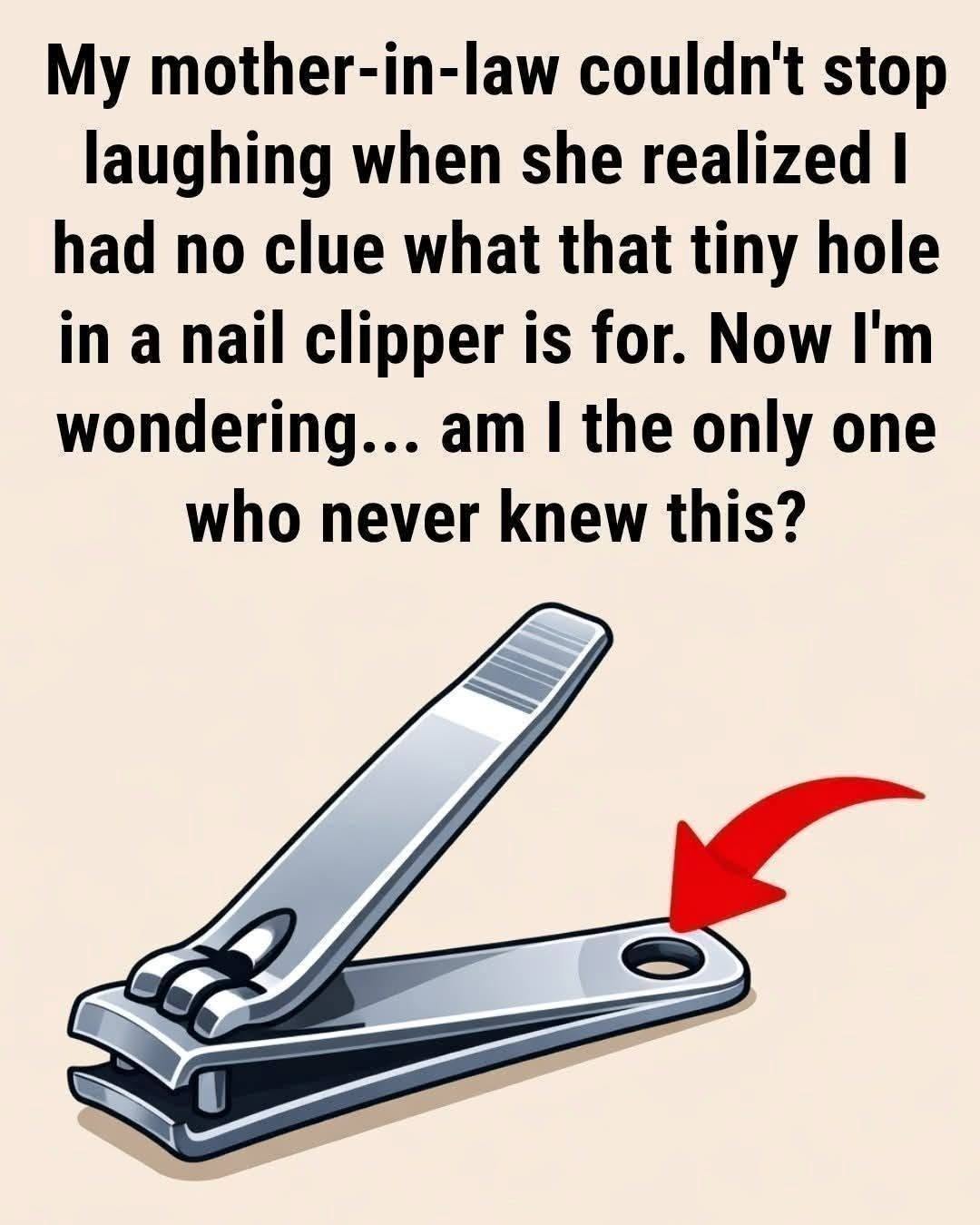


Everyday household items are often packed with clever design features that most people overlook. From the tiny hole at the end of a lollipop stick to the extra fabric patch that comes with new clothes, manufactured goods are engineered with efficiency, safety, and convenience in mind. Among these everyday mysteries, the small circular hole located at the base of standard metal nail clippers frequently leaves people guessing.
While many assume it is merely a decorative element or a leftover manufacturing artifact, this small feature actually serves several practical functions. Understanding how everyday personal care tools are designed can make hygiene routines easier, prevent lost grooming tools, and help you get the most out of simple household essentials.
Below, we reveal the actual purpose of the hole in a nail clipper, explore other hidden design features in common grooming tools, and share practical health tips for maintaining optimal nail hygiene.
What Is the Tiny Hole in a Nail Clipper Actually For?
The small hole at the end of a nail clipper handle serves three main primary functions: attachment, storage, and leverage.
1. Attaching to Keychains and Lanyards
The most common intended purpose of the hole is portability. Threading a small key ring, ball chain, or lanyard through the hole allows you to attach your nail clippers directly to a keyring, toiletry bag, or travel kit. This keeps small clippers easily accessible and prevents them from getting lost at the bottom of a purse or luggage bag while traveling.
2. Hanging Storage and Organization
In bathrooms or professional grooming setups, space organization is key. The hole allows clippers to be hung on small wall hooks, pegboards, or inside medicine cabinets. Hanging your clippers off surfaces helps them dry completely after washing, preventing moisture buildup that could lead to rust over time.
3. Extra Grip and Manufacturing Balance
During the manufacturing process, the hole acts as an anchor point for automated assembly lines to hold, stamp, and plate the metal components. Additionally, for users with limited hand strength or mobility issues, passing a small ribbon or ring through the hole can provide additional grip and leverage when trimming tough fingernails or toenails.
Proper Nail Hygiene: How to Care for Your Grooming Tools
Using a nail clipper properly goes beyond just trimming length—keeping your tools clean and sanitized is vital for personal health and preventing infections.
Preventing Fungal and Bacterial Infections
Unsanitized nail clippers can harbor bacteria, microscopic fungi, and skin cells. Sharing uncleaned clippers with family members can inadvertently spread common conditions such as fungal nail infections (onychomycosis) or athlete’s foot.
-
Disinfect Regularly: Clean your nail clippers after every few uses by wiping them down with rubbing alcohol (70% isopropyl) or washing them in warm, soapy water.
-
Keep Tools Dry: Store your clippers in a dry, ventilated area—utilizing the hanging hole—to prevent bacterial growth and metal rust.
-
Avoid Sharing Personal Tools: Keep individual nail care sets for each family member, or thoroughly sterilize tools before and after sharing.
Life Planning, Personal Health, and Everyday Wellness
Taking proactive care of small daily habits—like personal hygiene, nutrition, and home organization—builds a strong foundation for overall health and peace of mind.
-
Preventative Healthcare: Regular visits to dermatologists or podiatrists can catch subtle health signals early, as changes in nail texture, color, or shape can indicate underlying conditions such as vitamin deficiencies or cardiovascular changes.
-
Comprehensive Health Insurance: Securing quality health and dental coverage ensures that routine wellness checkups, specialized dermatological care, and family preventative medical needs are completely covered without surprise out-of-pocket expenses.
-
Smart Financial Stewardship: Managing everyday household expenses, organizing personal care supplies, and investing in durable, long-lasting grooming tools reflect thoughtful household budget management.
Other Hidden Design Features in Household Items
Nail clippers aren’t the only tools with secret functional details! Here are a few other everyday items with hidden design tricks:
-
The Hole in a Pasta Spoon: The hole in the center of a spaghetti server isn’t just for draining water—it measures out exactly one standard serving of dry pasta!
-
The Groove on the Bottom of Mugs: Small notches on the bottom of ceramic mugs allow water to drain off during dishwasher cycles, preventing water from pooling on top.
-
The Hole in Pen Caps: Designed as a safety mechanism, the small hole at the top of ballpoint pen caps allows airflow in the rare event a cap is accidentally swallowed.
Practical Tips for Maintaining Strong, Healthy Nails
Beyond using the right trimming tools, practicing good nail care habits keeps your hands and feet looking and feeling great:
-
Trim Straight Across: When cutting toenails, cut straight across rather than rounding the edges to prevent painful ingrown toenails.
-
Moisturize Cuticles Daily: Apply cuticle oil or rich hand cream to keep the skin around your nails hydrated and prevent painful hangnails.
-
Avoid Cutting Cuticles: Cuticles protect the nail root from infection; gently push them back after a warm shower instead of clipping them away.
-
Give Nails a Break: Periodically take breaks from acrylics, gel polishes, and harsh acetone removers to allow the natural nail bed to recover strength.
Fascinating Facts About Nail Growth and History
-
Speed of Growth: Fingernails grow roughly 3 to 4 millimeters per month, which is nearly twice as fast as toenails!
-
Dominant Hand Advantage: Nails on your dominant hand tend to grow slightly faster because of increased blood circulation from daily use.
-
Ancient Nail Care: The earliest recorded nail trimmers and manicure tools date back to ancient Babylonia around 3200 BCE, where solid gold and silver grooming sets were crafted for royalty.
Conclusion
The little hole at the base of your nail clipper might look insignificant, but it is a clever design feature meant for portable keychains, hanging storage, and easier tool management. Paying attention to these subtle details in everyday design helps us stay organized, keep our tools hygienic, and maintain healthy habits. Next time you grab your nail clippers, you’ll know exactly what that little hole was engineered to do!
Frequently Asked Questions (FAQ)
Can I put nail clippers on my keychain for travel?
Yes! Passing a standard key ring through the hole allows you to keep clippers on your keychain or bag for quick access during travel.
What is the best way to clean and sanitize nail clippers?
Submerge or wipe the metal clippers with 70% isopropyl rubbing alcohol for a few minutes, let them air dry completely, and store them in a dry place to prevent rust.
Why do toenails grow slower than fingernails?
Toenails have less blood circulation compared to fingernails because feet are further from the heart, resulting in a slower cellular growth rate.