


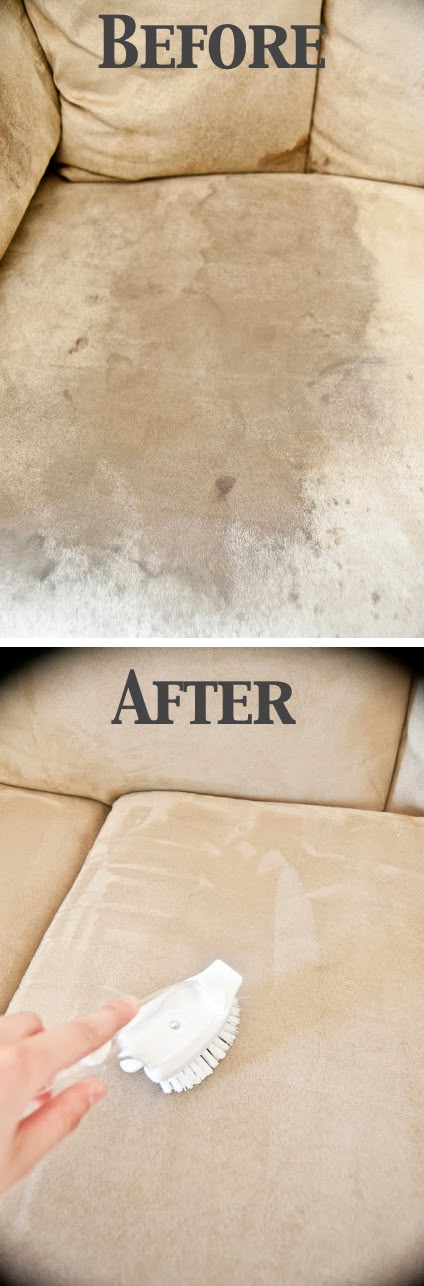
Microfiber couches and chairs are extremely popular furniture choices due to their plush comfort, durability, and family-friendly appeal. However, despite their reputation for resilience, microfiber upholstery is notorious for showing water spots, spill rings, grease stains, and embedded dirt over time.
Attempting to clean a microfiber sofa with regular soap and tap water often leaves dark, crusty water rings as the fabric dries. Fortunately, using isopropyl rubbing alcohol and a soft bristle brush provides a fast, safe, and highly effective way to dissolve stubborn stains and restore the original soft texture of your furniture.
Why Rubbing Alcohol Is the Secret to Cleaning Microfiber
Microfiber is a synthetic fabric composed of ultra-fine woven fibers, typically polyester and polyamide. Because these fibers are woven tightly together, traditional water-based cleaning solutions saturate the fabric backing, trapping minerals that dry into visible rings.
-
Rapid Evaporation Rate: Rubbing alcohol (isopropyl alcohol) evaporates almost instantly upon application. This prevents liquid from soaking deep into the cushion padding and eliminates water ring marks.
-
Solvent Action: Alcohol breaks down oil, grease, ink, and organic food stains without damaging synthetic fiber structures.
-
Disinfecting Properties: Isopropyl alcohol neutralizes odor-causing bacteria and dust mites embedded in upholstery.
Essential Cleaning Supplies Needed:
- 70% to 91% Isopropyl Rubbing Alcohol in a clean spray bottle.
- White or clear soft-bristle scrub brush (or a clean white sponge).
- Clean white microfiber towels or cloths.
- Vacuum cleaner with an upholstery brush attachment.
Step-by-Step Guide: How to Clean Stained Microfiber
Before starting, check your furniture’s care tag (usually located under the cushion or along the base frame). Look for code “S” (Solvent only) or “W-S” (Water/Solvent)—both of which are safe for the rubbing alcohol method.
Step 1: Vacuum the Surface
Thoroughly vacuum the entire couch using an upholstery brush attachment to remove loose dirt, pet hair, and food crumbs. Cleaning over dry debris can rub grit deeper into the fabric fibers.
Step 2: Spray with Rubbing Alcohol
Working in small sections, spray isopropyl alcohol liberally onto stained areas until the microfiber is damp. Do not worry about saturating the fabric surface, as alcohol evaporates quickly without leaving residual moisture.
Step 3: Scrub with a Soft Bristle Brush or Sponge
Immediately take a clean white sponge or soft-bristle scrub brush and scrub the wet area gently in circular motions. You will see dirt and grime transfer directly onto your brush or sponge.
Note: Always use a white or dye-free sponge/brush to avoid transferring color dyes onto light microfiber fabrics.
Step 4: Blot Excess Moisture
Use a dry white microfiber cloth to blot away lifted dirt and excess alcohol from the cleaned area.
Step 5: Fluff the Fibers After Drying
As the alcohol dries completely (usually within 10 to 15 minutes), the microfiber may feel slightly stiff or matted to the touch. Take a dry, clean scrub brush or soft toothbrush and brush the fabric gently in circular patterns to fluff up the nap and restore its original velvet-soft texture.
Preventing Future Stains and Fabric Care
To keep your microfiber furniture looking brand new between deep cleanings, practice these preventative maintenance steps:
-
Address Spills Immediately: Blot liquid spills right away with a dry paper towel before they penetrate deep into the synthetic fibers.
-
Apply Fabric Protector: Consider applying a spray-on upholstery fabric protector designed for synthetic materials to repel liquids and oil-based stains.
-
Brush Regularly: Lightly brushing the fabric once a week prevents dust accumulation from settling into the micro-weaves.
Economic and Household Benefits
Deep cleaning your own furniture using simple household products like rubbing alcohol provides exceptional financial savings over hiring commercial steam cleaning services or replacing stained couches prematurely.
Maintaining well-kept furniture prolongs the functional lifespan of major household investments, protecting your home care budget while preserving clean, inviting living spaces for family and guests.
Conclusion
Stains and water rings do not have to mean the end of your favorite microfiber couch. By utilizing the fast-evaporating power of rubbing alcohol paired with a soft-bristle brush, you can effortlessly lift deep-set grime, eliminate dark spots, and fluff your furniture back to pristine, cozy perfection.
Frequently Asked Questions (FAQ)
Can I use tap water to clean my microfiber couch?
It is best to avoid tap water on “S” coded microfiber fabrics, as minerals in tap water leave noticeable ring stains as the fabric dries. Rubbing alcohol is recommended because it evaporates quickly without leaving water spots.
What percentage of rubbing alcohol should I use?
70% or 91% isopropyl rubbing alcohol works best. Higher concentrations evaporate faster, which helps prevent over-saturation during the cleaning process.
Why does my microfiber feel stiff after cleaning with alcohol?
Microfiber stiffness after cleaning is normal and happens when wet fibers dry flat. Brushing the dried area with a dry, soft-bristle brush or toothbrush instantly softens and restores the plush texture.
How do I remove bad odors from a microfiber sofa?
Sprinkling baking soda across dry cushions before cleaning, allowing it to sit for 30 minutes, and vacuuming it up neutralizes trapped pet and household odors effectively.