

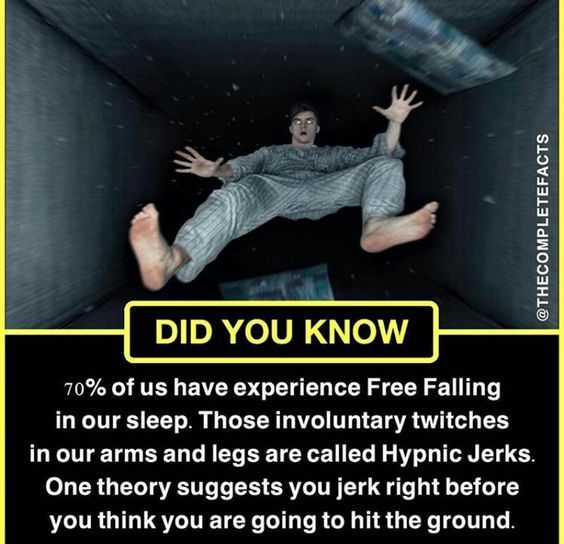
Nearly everyone has experienced that sudden, startling moment just as they are drifting off to sleep: a sudden sense of falling through space, followed by an involuntary body twitch that instantly jolts you awake. Your heart races, your muscles tense, and for a second, your brain believes you were about to hit the ground.
This physiological phenomenon is known as a hypnic jerk (or sleep start). Estimates show that up to 70 percent of people experience hypnic jerks regularly. While these sudden muscle spasms can be alarming, neuroscientists and sleep specialists view them as a fascinating look into how the brain transitions from wakefulness to deep sleep.
What Causes a Hypnic Jerk?
A hypnic jerk is a brief, involuntary muscle contraction (known as a myoclonus) that occurs during the hypnagogic state—the transitional period between being awake and falling asleep.
As the body begins to relax, several physiological changes take place simultaneously: body temperature drops, breathing slows, muscle tone relaxes, and brainwave activity shifts from active beta waves to calmer alpha and theta waves.
The Evolutionary and Neurological Theories
Neuroscientists have proposed two primary scientific theories to explain why hypnic jerks happen:
-
The Brain Misinterpretation Theory: As your muscles rapidly relax during sleep onset, your motor system may misinterpret the sudden loss of muscle tension. The brain misinterprets this drop in muscle tone as a sign that you are physically falling. In response, the brain fires a rapid burst of motor signals to force your limbs to contract—attempting to “catch” yourself before impact.
-
The Evolutionary Reflex Hypothesis: Evolutionary psychologists suggest that hypnic jerks are an ancient protective instinct inherited from early human ancestors who slept in trees. A sudden twitch in response to muscular relaxation served as a rapid defense mechanism, preventing early primates from falling out of high branches while sleeping.
Common Features of Hypnic Jerks:
- Sudden, abrupt muscle spasms involving the legs, arms, or whole body.
- Vivid visual sensory hallucinations, such as falling down stairs or off a ledge.
- Sudden heart rate acceleration and rapid breathing upon waking.
Triggers That Increase Hypnic Jerks
While hypnic jerks are completely benign and normal, certain lifestyle factors, stress levels, and daily habits can significantly increase their frequency and intensity.
1. Chronic Stress and Anxiety
High levels of psychological stress keep the nervous system in a hyper-aroused state. When you attempt to fall asleep while stressed, your central nervous system struggles to transition smoothly into relaxation, leading to misfired motor signals and sharper twitches.
2. Excessive Caffeine and Stimulants
Consuming high amounts of caffeine, energy drinks, or pre-workout supplements late in the day keeps neurotransmitters active. This interference disrupts the natural sleep-wake cycle, increasing the likelihood of sudden muscular spasms during sleep onset.
3. Sleep Deprivation and Irregular Schedules
Irregular sleep patterns, night shifts, and severe sleep debt force the brain to enter deeper sleep stages rapidly. This accelerated transition can trigger more intense hypnic jerks as the body tries to shut down faster than normal.
4. Intense Evening Workouts
Exercising vigorously close to bedtime raises body temperature, heart rate, and adrenaline levels. When muscle tissue attempts to relax rapidly afterward, involuntary contractions occur more frequently.
When Should You Consult a Medical Professional?
In the vast majority of cases, hypnic jerks are a natural biological occurrence that requires no medical intervention. However, if involuntary twitches occur continuously throughout the night, interfere with overall sleep quality, or are accompanied by severe pain, it is advisable to consult a physician or sleep specialist.
Underlying health factors—such as sleep apnea, restless legs syndrome (RLS), or severe electrolyte imbalances—can sometimes mimic or exacerbate sleep twitches.
Practical Tips to Prevent Sleep Starts and Improve Rest
Improving sleep hygiene and managing stress levels can dramatically reduce the frequency of jarring hypnic jerks.
-
Establish a Consistent Sleep Schedule: Go to bed and wake up at the same time every day to keep your circadian rhythm balanced.
-
Limit Afternoon Caffeine: Avoid coffee, energy drinks, and caffeinated teas after 2:00 PM to allow your central nervous system to wind down.
-
Practice Evening Relaxation: Incorporate warm baths, light stretching, or meditation before bed to lower resting cortisol levels.
-
Optimize Your Sleep Environment: Keep your bedroom cool, quiet, and dark to promote smooth transitions between sleep cycles.
Financial and Wellness Impact of Quality Sleep
Investing in optimal sleep hygiene is fundamental to overall health, workplace productivity, and long-term wellness. Chronic sleep disturbances can contribute to long-term health issues—such as cardiovascular disease, hypertension, and weakened immune function—which often leads to increased medical expenses, prescription costs, and higher health insurance premiums over time.
By treating sleep as a vital biological priority—much like sound investment management, proper health coverage, or exercise—you protect both your physical well-being and overall quality of life.
Conclusion
Feeling like you are falling in your sleep is a striking example of how the mind and body communicate during sleep transitions. Far from being a sign of a health issue, hypnic jerks are a normal physiological response to rapid muscle relaxation. By managing stress, reducing late-day stimulants, and establishing consistent night habits, you can calm your nervous system and enjoy peaceful, uninterrupted sleep.
Frequently Asked Questions (FAQ)
Are hypnic jerks dangerous to your health?
No. Hypnic jerks are completely harmless involuntary muscle contractions experienced by up to 70% of the population during sleep onset.
Why do I see a visual image of falling right when I twitch?
The visual image of falling or tripping is a hypnagogic hallucination created by your brain to rationalize the sudden motor signals firing in your muscles as you drift off to sleep.
Can anxiety make hypnic jerks worse?
Yes. Elevated anxiety and chronic stress keep the central nervous system in a state of high alert, making muscle spasms and sudden sleep awakenings much more frequent and intense.
How can I stop waking up with a sudden start?
Reducing caffeine intake in the afternoon, keeping a consistent bedtime schedule, managing daily stress, and avoiding intense late-night workouts are effective ways to minimize sleep starts.