


The Biblical Meaning of Praying While Lying in Bed
For many believers, quiet moments spent in bed at night or early in the morning offer the most intimate times for prayer. However, people frequently ask whether praying while lying down is biblical, or if prayer requires specific physical postures like kneeling or standing.
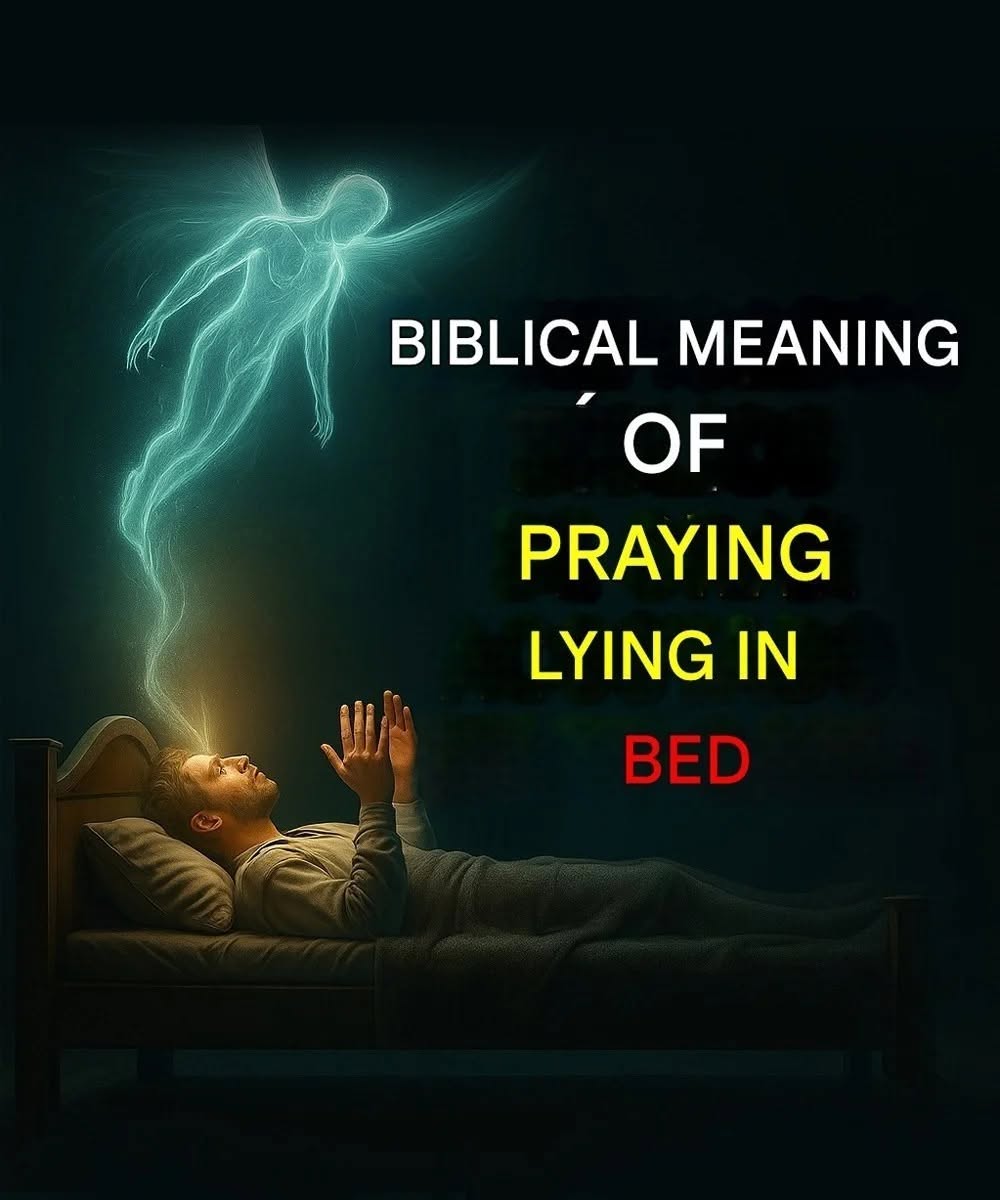
A widely shared spiritual graphic depicts a person praying while lying in bed, featuring the text:
“BIBLICAL MEANING OF PRAYING LYING IN BED”
Scripture reveals that God looks primarily at the heart rather than physical position. In fact, the Bible explicitly highlights multiple instances of believers seeking God, meditating, and praying while resting on their beds.
Below, we explore the Biblical context, key scriptures, and spiritual significance of bed-time prayer!
What Scripture Says About Praying in Bed
The Bible contains several passages that validate resting and praying upon one’s bed as a time of intimate devotion, reflection, and seeking divine guidance:
1. Nighttime Meditation & Peace (Psalm 4:4, Psalm 63:6)
-
Scripture Focus: “When I remember You on my bed, I meditate on You in the night watches.” (Psalm 63:6)
-
Meaning: David frequently wrote about seeking God during the quiet hours of the night. Lying in bed creates a peaceful environment free from daily distractions, allowing for deep personal worship and spiritual reflection.
2. Comfort in Times of Weakness or Illness (Psalm 6:6, 2 Kings 20:2)
-
Scripture Focus: When King Hezekiah was critically ill, he turned his face toward the wall while lying in bed and prayed earnestly to the Lord (2 Kings 20:2).
-
Meaning: God does not require physical strength or rigid postures to hear prayer. In times of sickness, fatigue, or emotional pain, praying from bed is an act of surrendering physical weakness to God’s strength.
3. Continuous Unceasing Prayer (1 Thessalonians 5:17)
-
Scripture Focus: “Pray without ceasing.” (1 Thessalonians 5:17)
-
Meaning: Prayer is a continuous conversation with God. Whether walking, sitting, standing, or lying in bed at the start or end of a day, believers are encouraged to maintain an open dialogue with the Creator.
Biblical Prayer Postures Matrix
While kneeling or standing demonstrates formal reverence, scripture shows that God responds to the posture of the heart:
| Posture | Biblical Reference | Primary Spiritual Significance |
| Lying in Bed | Psalm 63:6, 2 Kings 20:2 | Intimacy, rest, meditation, quiet reflection, and healing. |
| Kneeling | Daniel 6:10, Luke 22:41 | Humility, submission, and earnest plea. |
| Standing | Mark 11:25, 1 Samuel 1:26 | Worship, praise, and corporate gathering. |
| Prostrate (Face Down) | Matthew 26:39, Joshua 5:14 | Deep reverence, total surrender, and intense intercession. |
The Spiritual Benefits of Bedtime Prayer
-
Setting the Mind Before Sleep: Praying in bed allows you to cast your anxieties onto God before sleep, promoting mental calm and spiritual rest.
-
First Thoughts of the Day: Starting your morning with prayer in bed establishes gratitude before foot hits the floor.
-
Unfiltered Vulnerability: The privacy of quiet darkness provides a safe space for personal confessions, tears, and unfiltered conversation with God.
Conclusion
Praying while lying in bed is a deeply biblical and meaningful practice. God values a humble, sincere heart above any external physical posture—making your quiet bed a sacred place of communion, peace, and spiritual renewal!
Frequently Asked Questions (FAQ)
Is it disrespectful to pray lying down in bed?
No. Scripture repeatedly mentions God’s servants praying and meditating on their beds (e.g., Psalm 63:6). God listens to the intent and posture of your heart.
What if I fall asleep while praying in bed?
Falling asleep in prayer is often viewed as drifting off to sleep in the presence of God. It reflects peace, trust, and rest in His care.