


Black Mulberries: Health Benefits, Nutritional Profile, and Culinary Uses
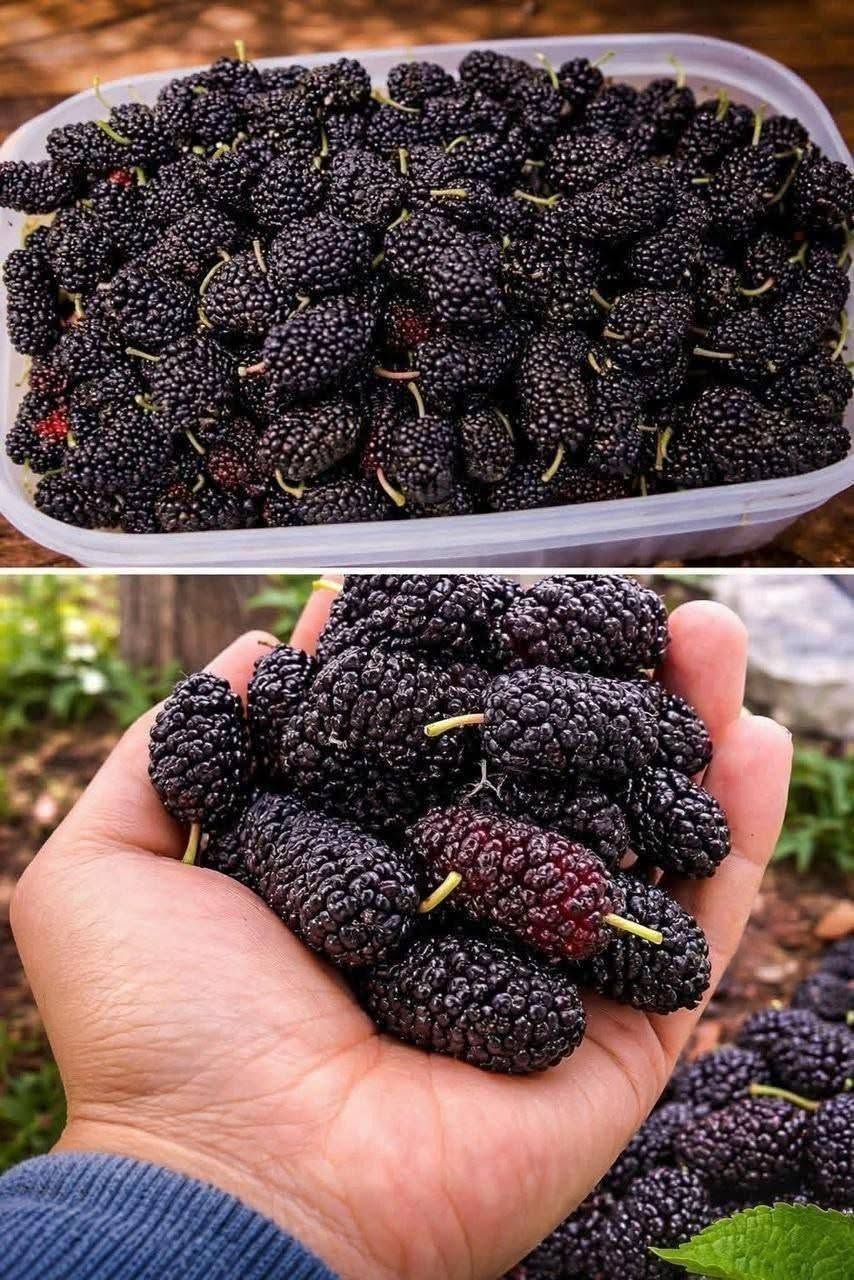
Fresh mulberries (Morus) are among the most delicious and nutrient-dense summer fruits available. Often growing wild or harvested from home gardens, these plump, elongated berries range in color from deep red to dark purple and black when fully ripe.
Prized for their sweet-tart flavor profile, black mulberries have been used for centuries in traditional herbal remedies and culinary traditions across Asia, Europe, and the Americas.
Below, we explore the science-backed health benefits of fresh black mulberries, their nutritional makeup, and creative ways to incorporate them into your daily diet!
Nutritional Profile of Black Mulberries
Mulberries are low in calories but rich in essential vitamins, minerals, and bioactive plant compounds:
Key Nutrients (Per 100g Serving)
-
Vitamin C: Supports immune function, collagen production, and skin health.
-
Iron: Essential for hemoglobin production and oxygen transport throughout the body.
-
Vitamin K1 & Calcium: Supports bone strength and blood clotting processes.
-
Dietary Fiber: Promotes healthy digestion and smooth bowel regularity.
Science-Backed Health Benefits
1. High in Antioxidants (Resveratrol & Anthocyanins)
-
Anthocyanins: The natural pigments responsible for the deep black-purple color of ripe mulberries act as potent antioxidants that neutralize cellular oxidative stress.
-
Resveratrol: Also found in red grapes and wine, resveratrol supports heart health and vascular elasticity.
2. Supports Healthy Circulation & Blood Pressure
-
Nitric Oxide Production: Antioxidants in mulberries help promote blood vessel dilation, supporting smooth circulation and healthy blood pressure levels.
-
Iron Source: Unlike many other fruit species, mulberries contain notable amounts of natural dietary iron.
3. Helps Regulate Blood Sugar Levels
-
DNJ (1-Deoxynojirimycin): Research suggests mulberries contain a compound called DNJ, which inhibits an enzyme that breaks down carbohydrates in the gut, helping to slow down post-meal blood sugar spikes.
Comparison: Mulberries vs. Blackberries
Though mulberries and blackberries look strikingly similar at first glance, they come from completely different plant families:
| Feature | Black Mulberry (Morus) | Blackberry (Rubus) |
| Growth Form | Grows on deciduous trees | Grows on thorny bushes/canes |
| Shape & Stem | Elongated; stem often remains attached | Rounder/oval; core stays on bush when picked |
| Flavor Profile | Very sweet, floral, mild acidity | Tart, bold berry flavor |
Easy Culinary Uses for Fresh Mulberries
-
Fresh Snack: Enjoy them raw right after gentle washing!
-
Smoothie Boost: Toss fresh or frozen mulberries into your favorite morning smoothies for a rich color and natural sweetener.
-
Mulberry Jam & Preserves: Cook down with a splash of lemon juice to make delicious homemade jams and fruit spreads.
-
Baking: Fold into pancakes, muffins, crumbles, or pie fillings just as you would with blackberries or blueberries.
Conclusion
Black mulberries are a nutrient-packed super-fruit offering a rich supply of iron, Vitamin C, and heart-healthy antioxidants. Whether enjoyed fresh off the tree or baked into delicious desserts, adding mulberries to your summer diet provides a tasty boost to your overall wellness!
Frequently Asked Questions (FAQ)
Are mulberries and blackberries the same fruit?
No! While they look similar, mulberries grow on large trees (Morus), whereas blackberries grow on thorny briar bushes (Rubus).
How do you store fresh mulberries?
Mulberries are delicate and highly perishable. Wash them gently just before eating and store unwashed berries in an airtight container in the refrigerator for up to 2–3 days, or freeze them for long-term storage!